
What Is a Safety Committee on Ships?
What Is a Safety Committee on Ships?: safety, training and compliance context for US, UK, Canada, Australia, Singapore and European maritime readers.
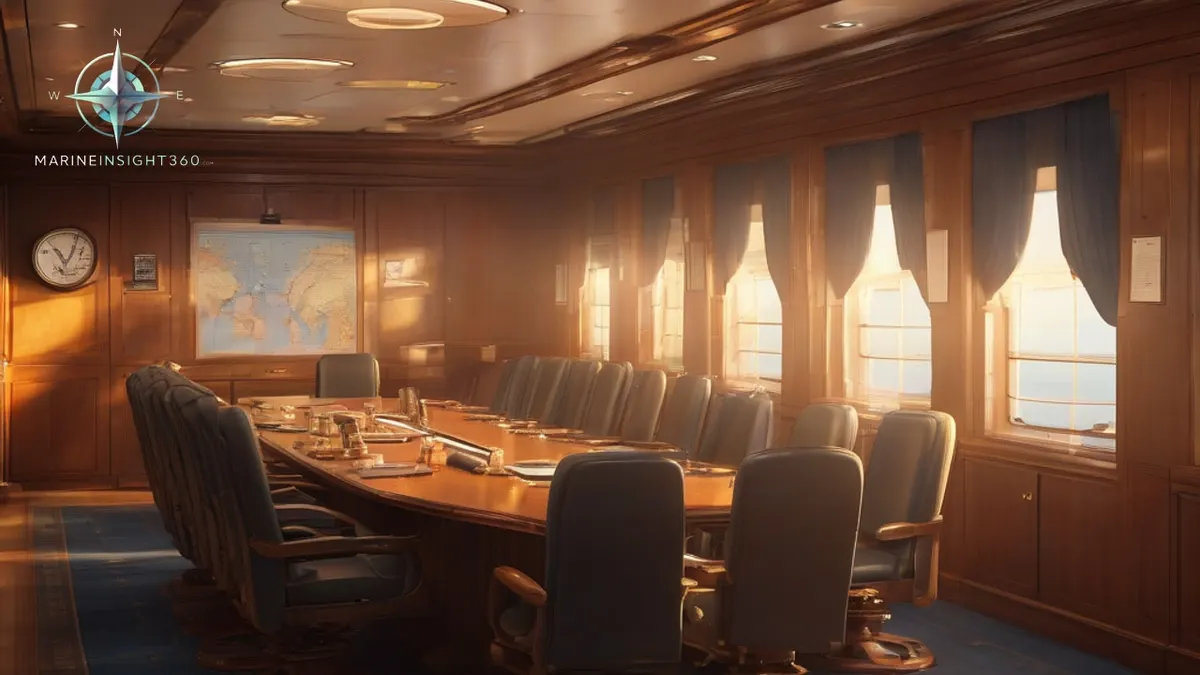
A safety committee on ships is an onboard group that reviews hazards, incidents, unsafe conditions and practical improvements. Its purpose is simple: make safety visible before an accident happens. The committee gives officers and crew a regular forum to discuss what is actually happening on deck, in the engine room, in accommodation spaces and during cargo operations.
This article explains how a shipboard safety committee works, who normally participates and what makes the meetings useful rather than just another paperwork routine.
What a ship safety committee does
The safety committee supports the vessel's safety management system. It reviews accidents, near misses, inspection findings, drill performance, maintenance issues, personal protective equipment, housekeeping and crew suggestions. The committee should turn observations into clear actions with a responsible person and target date.
On many vessels, committee work connects with the ISM Code, company SMS requirements, flag-state expectations and port state control readiness. The details vary by vessel and company, but the principle is consistent: hazards should be discussed, recorded and corrected.
Who attends the meeting
Attendance depends on ship type and company procedure. The master or a senior officer may chair the meeting. Deck, engine and catering departments should be represented so that the committee hears from the people doing the work. Safety officers, bosuns, engine ratings, cooks and crew representatives may all contribute useful observations.
The best meetings are not lectures. Junior crew should be able to report unsafe ladders, poor lighting, slippery deck areas, bilge hazards, defective fire detection points or problems with emergency equipment without fear of blame.
Topics a safety committee should review
Useful committee agendas are practical. They may cover recent near misses, enclosed-space entry controls, mooring risks, cargo hold access, machinery guards, hot work, chemical handling, galley hygiene, fatigue, rest hours, emergency drills and lessons from fleet circulars.
For example, if a crew member slips near a purifier platform, the discussion should not stop at "be careful." The committee should ask whether lighting, drainage, footwear, gratings, cleaning routines or access design contributed to the hazard.
Examples of useful action items
A good safety committee turns discussion into visible action. Examples include replacing damaged non-slip tape near ladders, improving lighting around a bilge well, repairing fire detection call points, changing a mooring line inspection routine or adding a short toolbox talk before heavy weather deck work.
The action should be realistic for the vessel. Some items can be closed onboard, while others need superintendent, purchasing or shipyard support. The committee should record which path is needed so the issue does not disappear after the meeting.
How minutes and actions should be handled
Minutes should be short, specific and useful. They should record the hazard, the agreed action, who owns it and when it should be completed. If an item needs shore support, the vessel should send it through the company reporting system.
Closing the loop matters. A repeated safety item with no action tells the crew that reporting is pointless. A closed item with evidence, such as a repair, new sign, changed routine or completed drill, builds trust in the process.
How crew can make the meeting stronger
Crew members can prepare by bringing one observation from their normal work area. A deck rating may raise a mooring hazard, an engineer may raise a pump-room or purifier-room concern, and catering staff may raise galley hygiene or accommodation safety. This makes the committee a live operational tool rather than a formality.
Where training is needed, the committee can recommend a drill, familiarisation talk or refresher connected with SOLAS, STCW, company SMS procedures or local vessel risks. The exact legal requirement should always be checked against the vessel's flag and company system.
Common mistakes
- Using the meeting only to repeat generic safety slogans.
- Failing to include ratings and crew who perform the risky tasks.
- Recording hazards without assigning actions.
- Ignoring small housekeeping issues until they become accidents.
Career planning context
For cadets, ratings and officers, safety committee on ships should be read alongside current company requirements, flag-state rules, medical fitness standards and training-provider instructions. The pathway can change by country, rank, vessel type and previous sea service, so candidates should verify documents before paying fees or accepting a joining offer.
Recommended Reading
Marine Fire Safety: What the FSS Code Requires on Every Ship
How marine fire safety works under the FSS Code: fire mains and pumps, fixed gas and sprinkler systems, detection, escape gear and the drills that bind it all.
Safety Management System (SMS): The Rulebook Every Ship Runs On
What a safety management system is in shipping: the ISM Code framework of procedures, drills, audits and the DPA that turns safety from intention into system.
Safety Features on LNG-Powered Ships
Safety Features on LNG-Powered Ships: safety, training and compliance context for US, UK, Canada, Australia, Singapore and European maritime readers.