
What Is the Beam of the Boat? Width, Stability and Handling
The beam of a boat is its width at the widest point. What beam means for stability, beam-to-length ratios, and the limits set by locks and trailers.
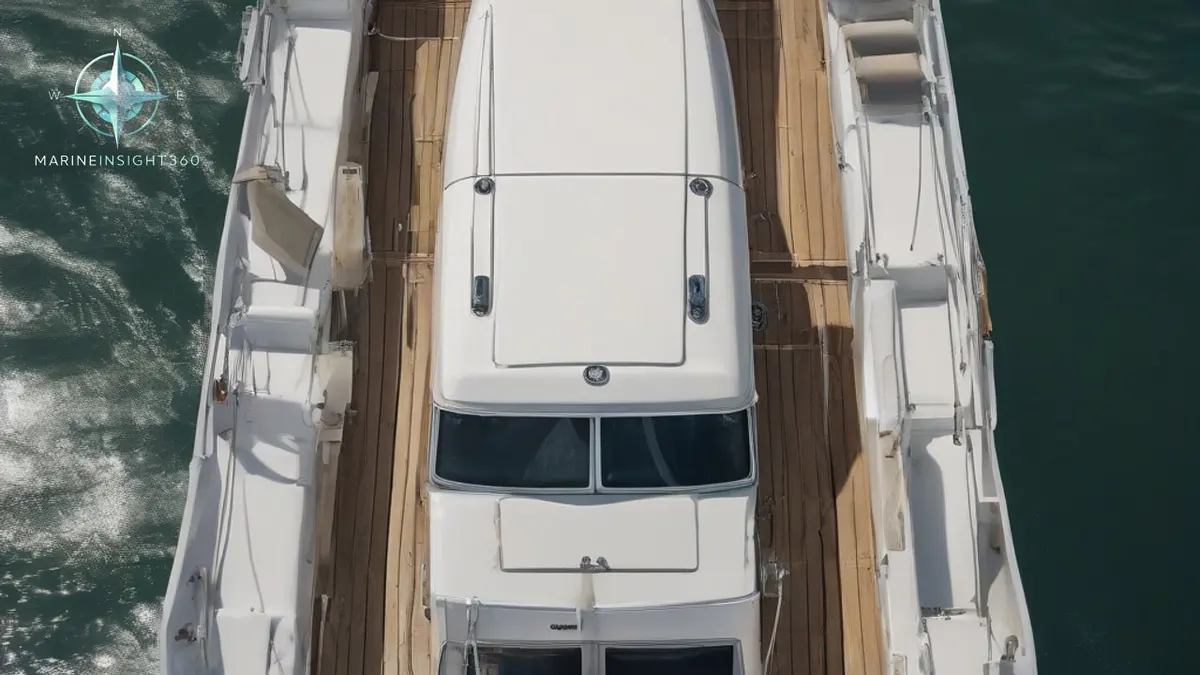
What is the beam of the boat? It is her width at the widest point, measured across the hull from one side to the other. Beam decides how stable a vessel feels, how much deck and cabin space she offers, and where she can berth.
It also decides what you can legally tow: highway rules in the United States and Canada allow about 8 ft 6 in (2.6 m) before a permit is needed, and British narrow locks stop at roughly 7 ft.
Length gets the glory in boat specifications, but beam quietly shapes almost everything about how a hull behaves. It is also the dimension most often misquoted, because sellers list hull beam while locks and trailers care about the widest point. Two boats of identical length with different beams are different animals on the water.
The three beam measurements that matter
Naval architects use more than one number. Maximum beam is the overall width across the outermost points, including fixed fittings such as rub rails. Beam of the hull covers only the permanent hull structure. Beam at the waterline is the width where the hull actually meets the water.
The waterline figure does the hydrodynamic work, because it defines the waterplane that resists heeling. The maximum figure does the practical work: it decides whether the boat fits a berth, a travel lift, a lock chamber or a highway lane. Published beam figures also follow the boat through paperwork: registration, insurance surveys, haul-out bookings and canal transits all ask for it.
How the beam of the boat affects stability
A wider beam gives more initial stability, the stiffness you feel when you step aboard and the hull barely moves. The wider the waterplane, the harder the boat resists the first degrees of heel.
The trade-off is secondary stability. A very beamy hull forced past its limit can be harder to right from a full capsize than a narrower, deeper one, because its inverted position is also stable. Offshore designs balance the two; protected-water designs chase initial stiffness.
Beam also spreads weight. A wide hull dampens side-to-side rocking at rest and underway, which is why fishing platforms, pontoon boats and workboats run generous beams.
Multihulls: beam as the whole story
Catamarans and trimarans take beam to its logical end. Their stability comes almost entirely from spacing the hulls far apart rather than from ballast, which is why a cruising catamaran can be nearly half as wide as it is long. The result is huge initial stability and deck area, with the same caveat about inverted stability that all beamy forms share.
Beam-to-length ratios by boat type
Designers describe proportions as a beam-to-length ratio. Small trailerable boats and dinghies under about 6 m (20 ft) often run near one to two, meaning the beam is about half the length.
Modern cruising sailboats typically fall between one to two and a half and one to three and a half. Racing hulls stretch longer and leaner, at one to four or beyond, trading interior volume and initial stiffness for less wetted surface and drag.
Traditional working sail carried ratios around one to three or one to four, a compromise between cargo capacity, stability and speed refined over centuries. None of these are rules, only conventions that cluster because physics rewards them.
Beam limits in the real world
Commercial shipping is built around beam limits. The original Panama Canal locks capped ships at a beam of 32.31 m (106 ft), which defined the Panamax class; the newer locks take vessels to 51.25 m (168 ft), the Neopanamax standard. River and canal networks impose their own numbers, and a vessel a few centimeters over a lock's limit simply does not trade there.
At the small end, road rules set the ceiling. Many jurisdictions allow trailers up to about 2.6 m (8 ft 6 in) wide without a special permit, which is exactly why so many production boats are designed to that beam.
Marina economics follow beam too. Berth fees often price wide multihulls higher, because a catamaran can occupy the water space of two monohulls.
Reading beam on a spec sheet
Compare beam alongside length, displacement and hull form, never alone. A deep-V powerboat and a flat-bottomed skiff with the same beam will feel completely different in a chop.
For docking, know your maximum beam including rub rails and fittings, and add margin before committing to a tight berth or a lock chamber. For trailering, measure the true widest point rather than trusting the brochure.
Beam is one of a family of hull dimensions worth learning together with draft, freeboard and displacement. The Marine Insight 360 Knowledge Base covers each of them in plain terms.
Beam stops being a brochure figure the moment a hull enters service. The US Coast Guard carries it on a documented vessel's paperwork. Class societies such as DNV, Lloyd's Register and ABS use it in the stability calculations they approve. Lock and canal authorities measure the real widest point before accepting a transit, and travel lift and berth bookings ask for the same number.
The common error is trusting the published figure. Rub rails, fenders and davits add centimeters the brochure omits, and a trailer measured to the hull can be pulled over as over-width. Beam fails the other way too. A very stiff wide hull rolls back hard and fast, throwing crew off their feet and shifting stowed gear.
Sources and further reading
- Beam (Nautical) - Wikipedia
- What Is a Boat Beam and Why Is It Important? (Discover Boating)
- Beam - UK Sailmakers Glossary
What to read next
Recommended Reading
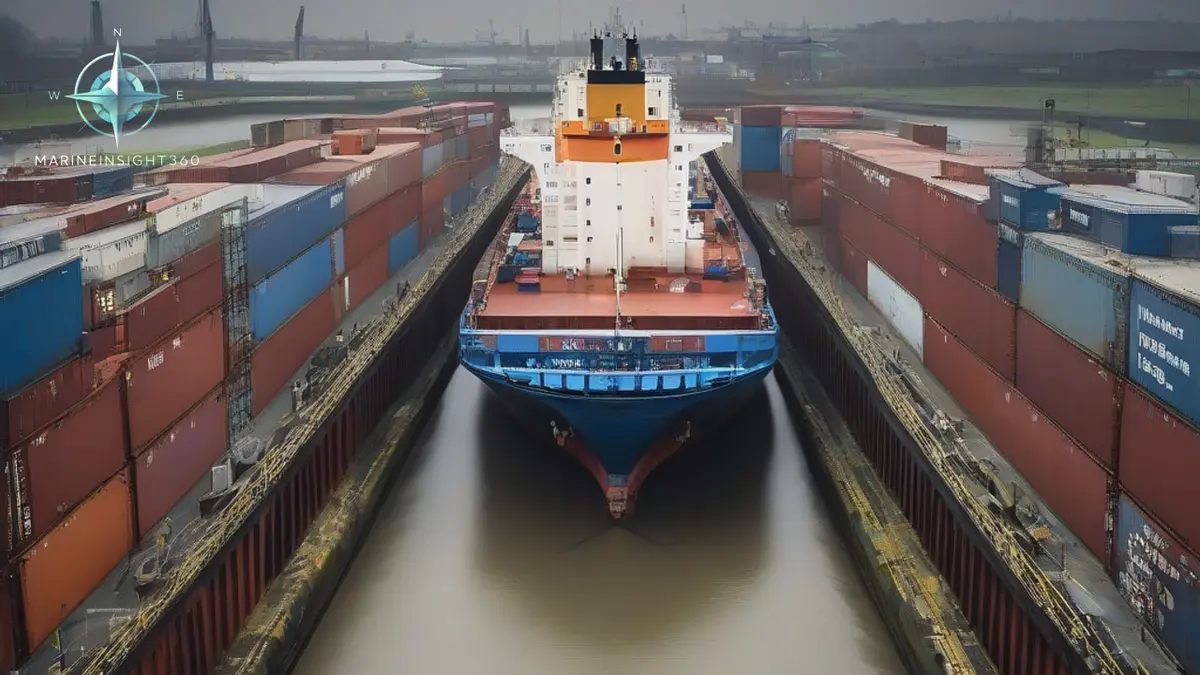
What Is Breadth in a Ship? Beam, Molded Width and Why It Matters
Breadth in a ship is its width at the widest point. Learn molded vs extreme breadth, how beam is measured, and why it drives stability and port access.
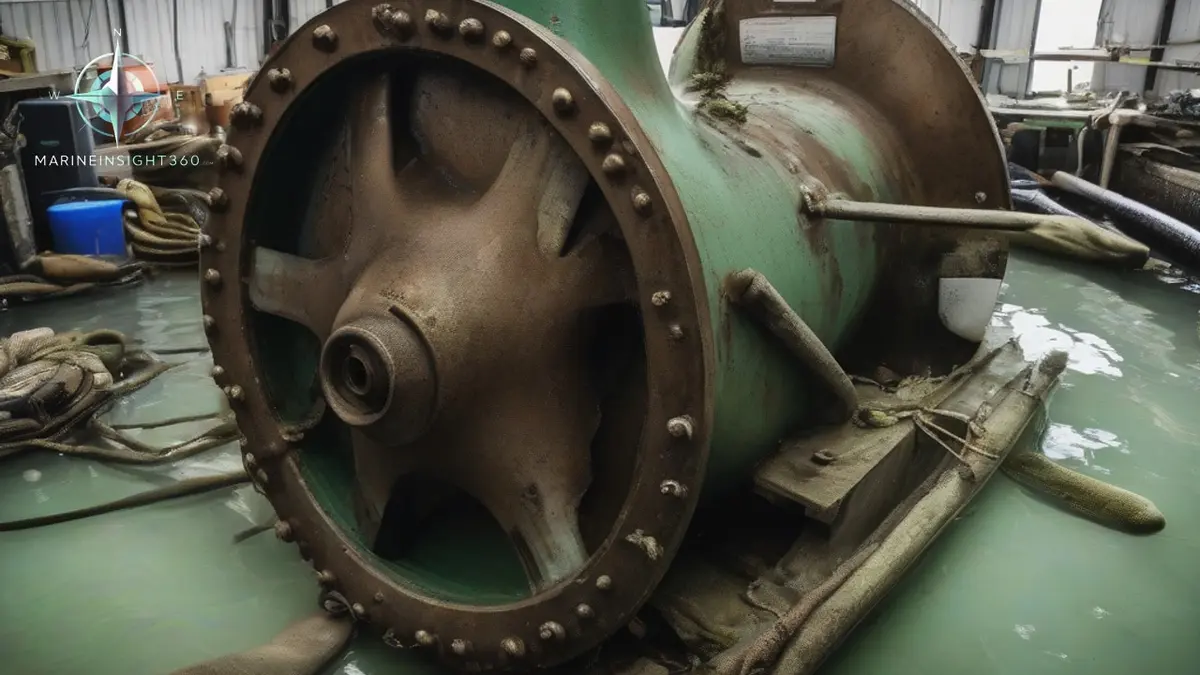
How Boat Propellers Work: Pitch, Slip, Diameter and Cavitation
A boat propeller is a rotating wing. How pitch, diameter and slip set thrust, why cavitation is not ventilation, and how to match a prop to the engine.
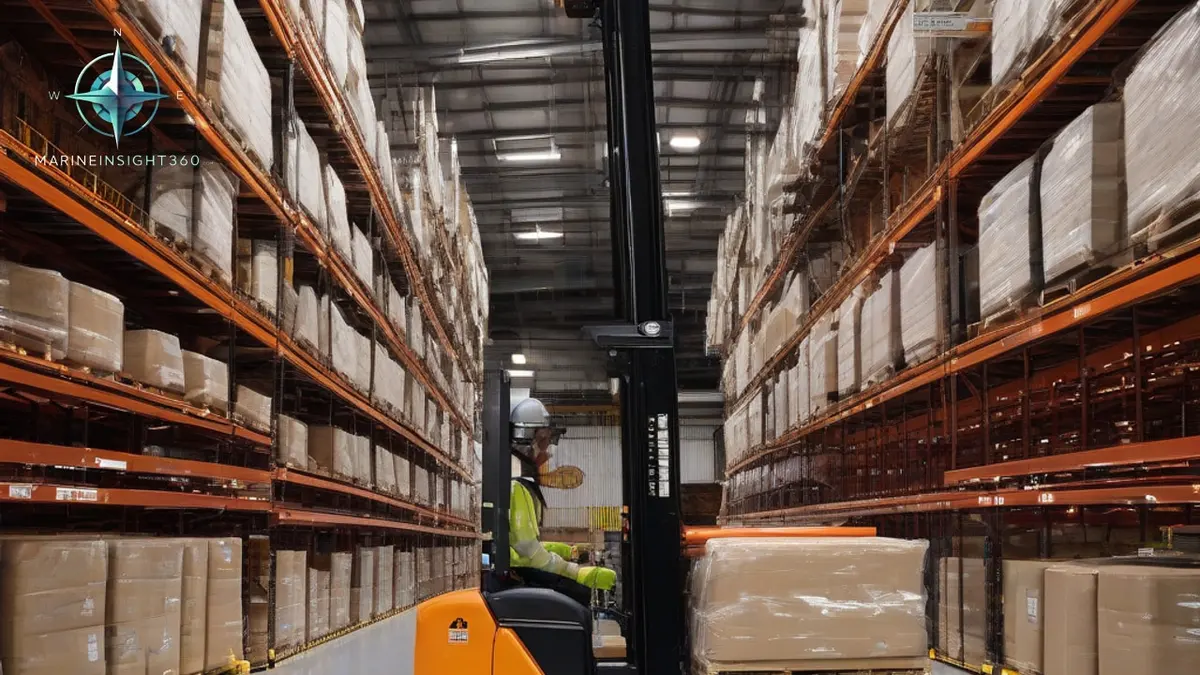
What Is MHE in a Warehouse? Material Handling Equipment Explained
MHE means material handling equipment: the forklifts, reach trucks, conveyors and racking that move cargo through a warehouse or container freight station.