
Don Juan Pond- Saltiest Bodies of Water
Don Juan Pond is a small, shallow, hypersaline lake located in Antarctica with a salinity of 44%. Despite being located in one of the coldest places on…
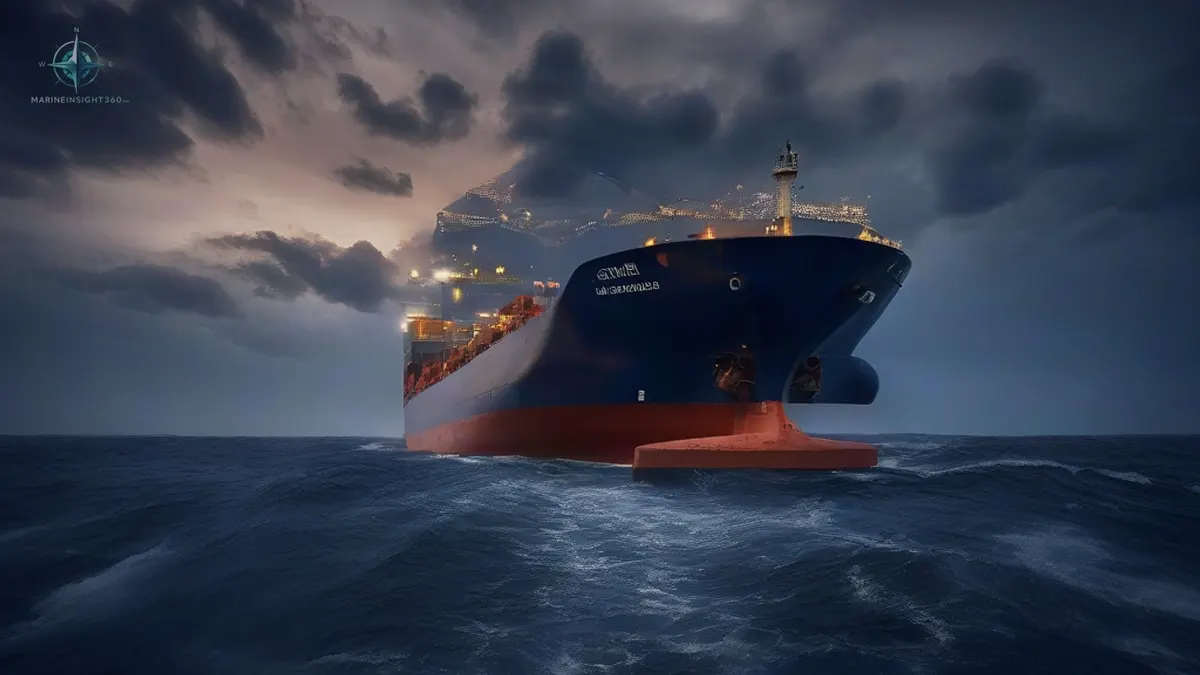
The Saltiest Bodies of Water in the World
Don Juan Pond is a small, shallow, hypersaline lake located in Antarctica with a salinity of 44%. Despite being located in one of the coldest places on Earth, the pond does not freeze over due to its salinity levels. Lake Wanda, also located in Antarctica, has a salinity of 35%. Other salty bodies of water include the Dead Sea, shared by Israel, Jordan, and Palestine; the Great Salt Lake, Mono Lake, and the Salton Sea in the United States; and the Baltic Sea in Europe.
What is a Hypersaline Body of Water?
Hypersaline bodies of water have salinity levels higher than those found in the ocean. Salinity is caused by the concentration of sodium chloride or other salts. These bodies of water lack an outlet, which means they can only lose water through evaporation, a process that leaves mineral salts behind. Some of these bodies of water, such as Lake Assal in Djibouti, have commercial value due to their salt concentration.
Hypersaline bodies of water have high buoyancy due to their high salinity.
Salinity of the World's Oceans
The oceans have a salinity of 3.5%, which is low compared to some of the world's salty bodies of water. Seawater contains many chemicals that make it salty. These chemicals originate from rocks and soil and are dissolved in rivers that feed the ocean. Ocean salinity is unevenly distributed, with some areas having higher salinity levels than others. Parts of the ocean that experience a lot of evaporation tend to be saltier and denser. Areas of the ocean that receive more rain or are close to land tend to have lower salinity levels because fresh water dilutes the salt.
Don Juan Pond, the Saltiest Body of Water
Don Juan Pond is located in the McMurdo Dry Valleys in Antarctica. The pond has a salinity of 44%, which is 12 times that of the ocean. Its salinity level allows it to remain liquid even at temperatures below -50°C. The pond relies on fresh water from snowmelt to dilute the salt concentration. Don Juan Pond is a small body of water with an area of only 0.03 square kilometers.
Dead Sea: Deepest Hypersaline Body of Water
The Middle East is home to the Dead Sea, a famous lake that earned its name due to the lack of life forms. Only bacteria thrive in the lake, and the mud in the lake contains high concentrations of minerals, making it ideal for beauty and healing purposes. The Dead Sea's shores and surface are 430.5 meters below sea level, making it the lowest point on land. The Dead Sea is famous for its buoyancy, and people can float on it, so it attracts many tourists.
Consequences of High-Salinity Water
High salinity can have a negative impact on agricultural production if the water is used for irrigation. High concentrations of salt in soil water cause water to flow from plant roots into the soil, causing plants to dry out. Some salts are also toxic to plants. In places where people drink high-salinity water, they are susceptible to serious health effects, such as high blood pressure.
What species live in high-salinity water?
High-salinity seawater is almost devoid of life. Mainly halophilic organisms that have adapted to the salty environment. The water contains a large number of bacteria, fungi, and archaea. The waters are also home to fish such as copepods, as well as some algae.
What salinity does to a ship's draught
Density is why salinity matters at sea. Ocean water at roughly 3.5% salt is denser than fresh water, so the same ship floats higher in it. Move that ship into fresh or brackish water and it settles deeper without loading a single tonne.
That is what the load line disc is for. The marks include a separate fresh water line above the summer mark, and the fresh water allowance is the extra draught a ship may take when loading in fresh water so that she comes down to her marks on reaching the sea.
Dock water is where this goes wrong. A berth fed by a river sits at some density between fresh and sea, and the dock water allowance has to be worked from a hydrometer sample taken alongside. Assuming a figure instead of measuring it costs cargo when the guess is too salty, and puts the ship over her marks on reaching the sea when it is too fresh.
The Baltic Sea is the opposite case. It is brackish rather than saline, far less salty than the open ocean, so a ship entering it from the North Sea floats deeper on the same cargo.
Load line marks are a standard port state control item, and the Paris MoU counts overloading among its detainable deficiencies. A ship found over her marks stays alongside until the cargo is adjusted and the deficiency is cleared.
Recommended Reading
Bioluminescent Bays: Where the Water Glows and Why It Happens
What makes a bioluminescent bay glow, where the world's brightest bays are, the best conditions for seeing them, and how fragile these lagoons really are.

What is water hammer? How can it be prevented?
What is water hammer? How can it be prevented?: technology, equipment and fleet context for US, UK, Canada, Australia, Singapore and European maritime...
Water Sprinkler and Water Mist Fire Extinguishing Systems
Water Sprinkler and Water Mist Fire Extinguishing Systems: safety, training and compliance context for US, UK, Canada, Australia, Singapore and...