
Ship Decks: Every Type, What It Does, and the Equipment It Carries
What ship decks are, from tank top to bridge: the main deck types, how they are numbered, and the windlasses, winches, cranes and hatches that work on them.
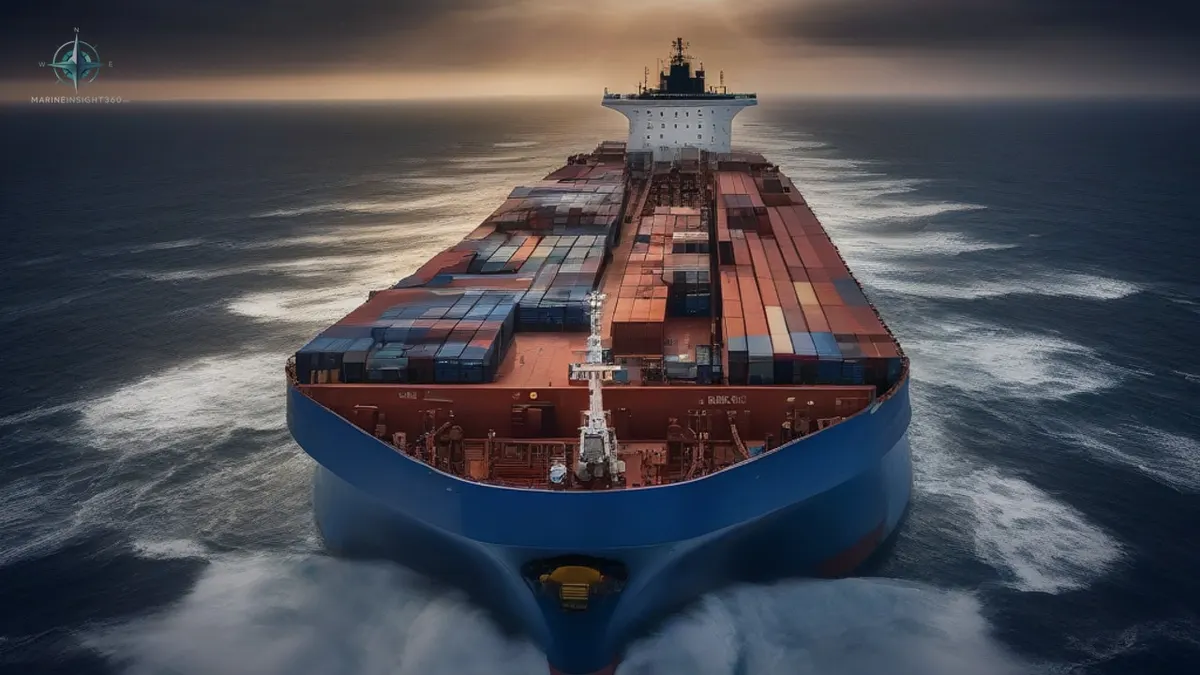
A crack at a hatch corner gets immediate attention. The main deck is the upper flange of the hull girder, the beam that the whole ship becomes in a seaway, and waves alternately hog and sag the hull, putting the deck through tension and compression cycles for its entire life. That cycling is why such cracks get immediate attention, and why deck openings like hatches are rounded at the corners.
For the same reason, cutting a hole in a deck is a classification-society matter, not a decision for a Tuesday afternoon.
That is why a deck is not just a floor. Ship decks are the horizontal steel platforms that divide a hull into working levels, the floors of a floating building: a small coaster may have two, a large cruise ship stacks twenty. Each one carries a name, a job, and usually a set of machinery bolted to it.
Decks matter because everything aboard is located by them. Cargo plans, fire plans, muster lists and shipyard drawings all reference deck names, and the deck department takes its title from the territory it maintains. When a fire plan says a station is on A deck, the crew knows the level without pacing corridors, which is exactly the point: deck names are a shared coordinate system for people who may have joined the ship last week.
From Tank Top to Lido, Every Level Is a Job
- Tank top: the plating over the double bottom, the true floor of the cargo holds and engine room.
- Tween decks: intermediate cargo levels in general cargo ships, largely gone from container tonnage but alive in project carriers.
- Main deck: the principal strength deck running the ship's full length, the structural backbone of the hull girder.
- Weather deck: whichever deck is open to the sky; on most cargo ships the main deck and weather deck are the same steel.
- Forecastle deck: the raised bow platform that carries the anchoring gear and shelters it from boarding seas.
- Poop deck: the raised stern deck of traditional designs, home to aft mooring stations.
- Bridge deck: the navigation level, placed for the best possible view over bow and cargo.
- Promenade and lido decks: passenger-ship additions for walking, pools and open-air life.
The Equipment That Lives on Deck
Deck machinery is the muscle of ship operations, and most of it clusters at the ends of the ship. On the forecastle, the windlass drops and recovers the anchors. Mooring winches forward and aft heave the lines that pin the ship to a berth, working with bollards, fairleads and chocks that guide each rope.
Cargo systems fill the space between superstructure and bow: hatch covers sealing the holds and, on geared ships, the cranes or derricks that let a vessel work cargo in ports with no shore equipment. Lifeboat davits, the freefall boat ramp, the gangway and the pilot ladder complete the inventory. Every item is a survey point, because deck machinery failure is a leading cause of injuries at sea.
Working the Deck Safely
Deck work concentrates the classic shipboard hazards: mooring lines under tonnes of tension, moving cranes, open hatches and weather. Snap-back zones at mooring stations are marked because a parted line whips with lethal force. Port state inspectors in the United States and United Kingdom routinely check winch brakes, wire conditions and hatch securing, and deck maintenance findings are among the most common detention items. Good ships read rust streaks on deck fittings as information, not decoration.
How Decks Are Numbered
Merchant ships typically letter or number decks downward from the bridge. Cruise ships count upward from the waterline, so that a bigger number sounds like a better cabin. Shipyard drawings use the main deck as a reference plane and measure everything above and below it.
Quick Answers
- What is the main deck on a ship? The uppermost continuous deck running the full length of the hull, and the primary strength deck in most designs.
- What counts as deck equipment? The working machinery mounted on deck: windlass, mooring winches, cranes, hatch covers, davits and the fittings that serve them.
- Why are cruise ship decks numbered upward? Marketing and wayfinding: higher numbers read as premium, and passengers find cabins faster with ascending floors, like a hotel.
Decks Are One Layer of the Anatomy
These guides cover the rest:
Recommended Reading
Cargo Barges: Every Major Type and What Each One Carries
The main types of cargo barges, hopper, deck, tank, crane and more, what each carries, and how tug-and-tow economics move bulk freight on inland waterways.

Marine Fire Safety: What the FSS Code Requires on Every Ship
How marine fire safety works under the FSS Code: fire mains and pumps, fixed gas and sprinkler systems, detection, escape gear and the drills that bind it all.
What Does SS Mean on a Ship? Steamship, and Every Other Prefix Explained
SS on a ship means steamship, a vessel driven by steam engines. What the prefix tells you, why modern ships use MV instead, and what RMS, HMS and USS mean.