
What is the World's Most Powerful Ship Engine?
What is the World's Most Powerful Ship Engine?: ports, trade and shipping-market context for US, UK, Canada, Australia, Singapore and European maritime...
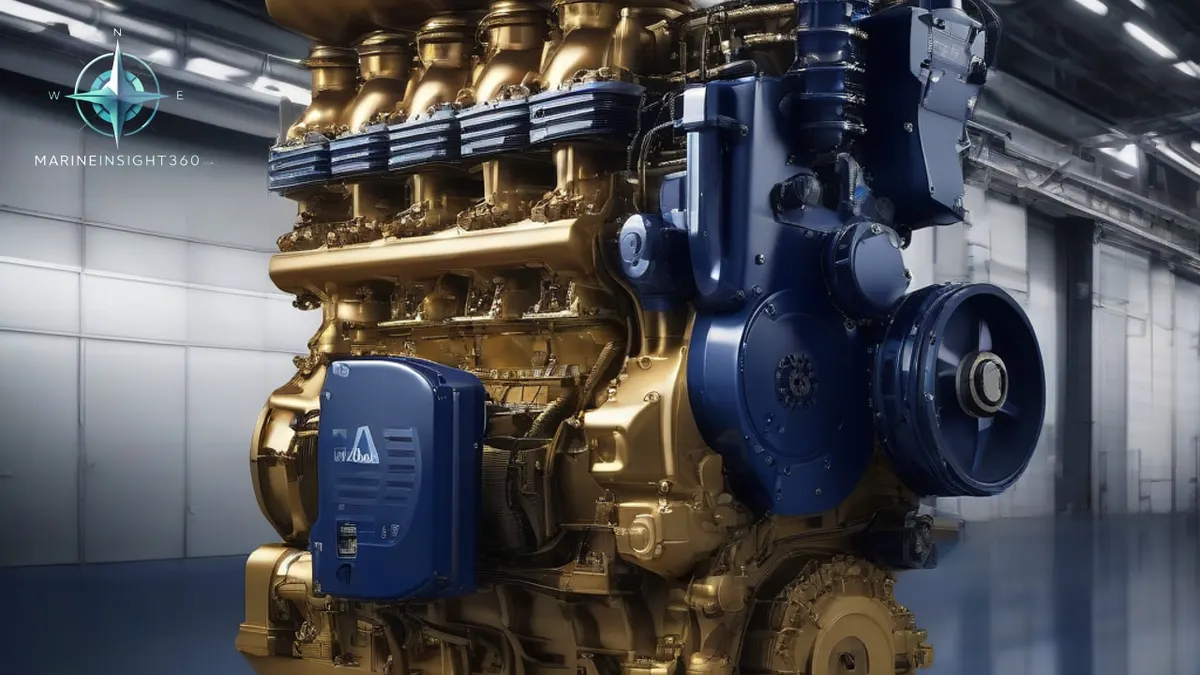
The Most Powerful Ship Engine: The Giant Wärtsilä-Sulzer Engine
The Wärtsilä-Sulzer RTA96-C is the world's most powerful ship engine. The Finnish company Wärtsilä-Sulzer designed this two-stroke, low-speed, turbocharged diesel engine for the world's largest container ships, which operate on heavy fuel oil.
The largest model features 14 cylinders, stands 13.5 meters tall, measures 26.5 meters in length, and weighs over 2,300 tons. The crankshaft weighs 300 tons, and each piston weighs 5.5 tons.
With an output of 80.08 megawatts (MW), or 107,390 horsepower, this engine is the world's most powerful reciprocating engine.
It entered commercial operation in 2006 on the Emma Maersk, then the world's largest container ship.
Its design is very similar to the older RTA96C engine, but it incorporates common rail technology, replacing the traditional camshaft, chain drive, fuel pump, and hydraulic actuator.
Compared to older mechanically controlled engines, it delivers maximum power at lower rpm, reduces fuel consumption, and reduces harmful emissions.
The engine produces 7,603,850 Nm of torque at 102 rpm and boasts a thermal efficiency exceeding 50%, higher than most automotive engines, meaning that more than half of the fuel's energy is converted into power.
The engine consumes 1,660 gallons of heavy fuel oil per hour. Each of its 14 cylinders displaces 1,820 liters, for a total displacement of over 25,000 liters.
The engine's two-stroke design, featuring a crosshead that separates the cylinders from the crankcase, enables the use of different lubricants and reduces lateral forces on the pistons, thereby minimizing wear.
Besides this engine, the marine engine market is dominated by a handful of companies that have produced some of the most powerful engines in history.
One such company is the MAN B&W 11G95ME-C9.5 engine, manufactured by MAN Energy Solutions, a competitor of Wärtsila.
- Marine Steam Engine – How it Works?
- Hyundai Creates Ammonia Dual-Fuel Engine
- Do You Know About Ship’s Monkey Island?
- What Is A Ship Superstructure?
- Electric Cargo Ship – Future of Maritime Transport
This 11-cylinder, two-stroke engine delivers up to 75,570 kW (103,000 hp). This low-speed, two-stroke engine is designed for modern ultra-large container ships, such as the MSC Jade, with a capacity exceeding 19,000 TEUs.
The "G" in its name stands for G-type, meaning long-stroke engine. This design enables the use of larger, more efficient propellers, resulting in significantly reduced operating costs and fuel consumption.
Another powerful Wärtsilä marine engine is the X92, part of the X-Generation series, building on the innovative technology of the RTA96-C. This modern 12-cylinder engine delivers up to 73,560 kW.
It features Wärtsilä's common rail fuel injection and electronic exhaust valve control technology. The engine offers operational flexibility, reduces emissions, and ensures smokeless operation at all speeds.
The X92 is designed to comply with International Maritime Organization (IMO) Tier II emissions regulations and can be equipped with systems that meet Tier III standards, which are crucial for the marine industry.
Why nobody specifies the 14-cylinder engine any more
Peak output stopped being the thing owners buy. Since 1 January 2023 existing ships above 400 gross tonnage have had to meet the Energy Efficiency Existing Ship Index, and the cheapest route to compliance for much of the fleet was engine power limitation or shaft power limitation: a certified cap on the power the machinery is allowed to deliver.
The Carbon Intensity Indicator pushes the same way, rating a ship each year on the carbon it emits per tonne-mile actually sailed. A hull that spends its life at part load has no use for a fourteenth cylinder. New orders run to fewer cylinders, longer strokes and larger, slower propellers, which is the opposite of the 2006 specification.
Who actually builds these engines
Neither name on the engine makes many of them. MAN Energy Solutions and WinGD design the two-stroke ranges and licence them to builders in South Korea, Japan and China, who cast, machine and test the engines before they are fitted into hulls.
The Wartsila side of that pair no longer exists as a Finnish two-stroke business. Wartsila's low-speed engine arm became Winterthur Gas and Diesel in 2015 and passed into the ownership of China State Shipbuilding Corporation, which is why the X92 and the engines that followed the RTA96-C carry the WinGD name.
Recommended Reading
What is the 10 Most Famous Canal in the World?
A famous canals is a waterway specially constructed along a major seawater route to allow the passage of ships. In most cases, these canals are…
World’s Top Countries With Most Powerful Military
World’s Top Countries With Most Powerful Military: technology, equipment and fleet context for US, UK, Canada, Australia, Singapore and European...
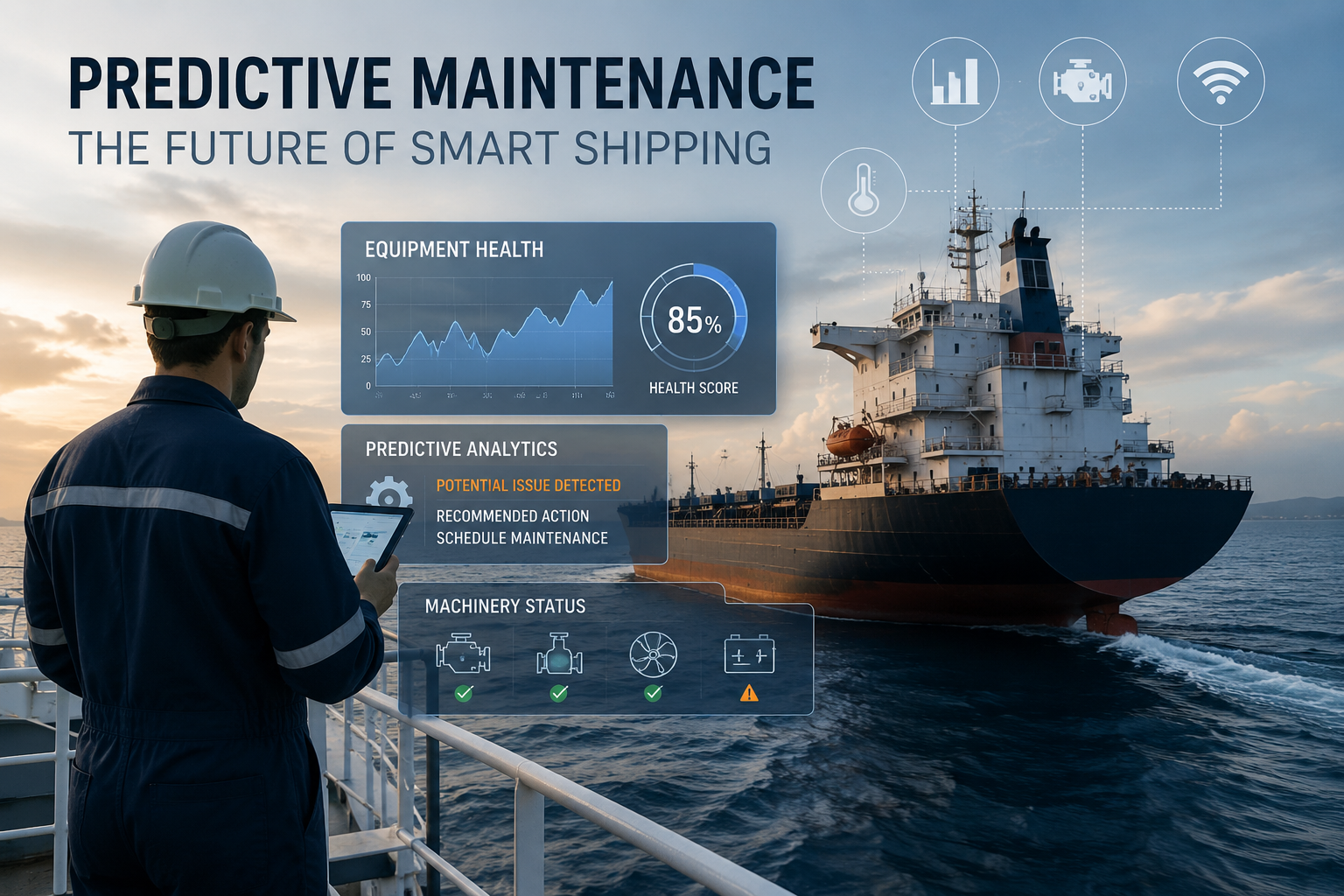
Why Predictive Maintenance Is Becoming the Most Important Technology in Modern Shipping
Why Predictive Maintenance Is Becoming the Most Important Technology in Modern Shipping: ports, trade and shipping-market context for US, UK, Canada,...