
CSSC Tianjin Adds Two Drydocks by Buying the Yard Next Door
CSSC Tianjin has bought its bankrupt neighbor, adding 500,000 and 300,000 tonne drydocks and 2.4 million dwt of annual capacity at a yard booked to 2028.
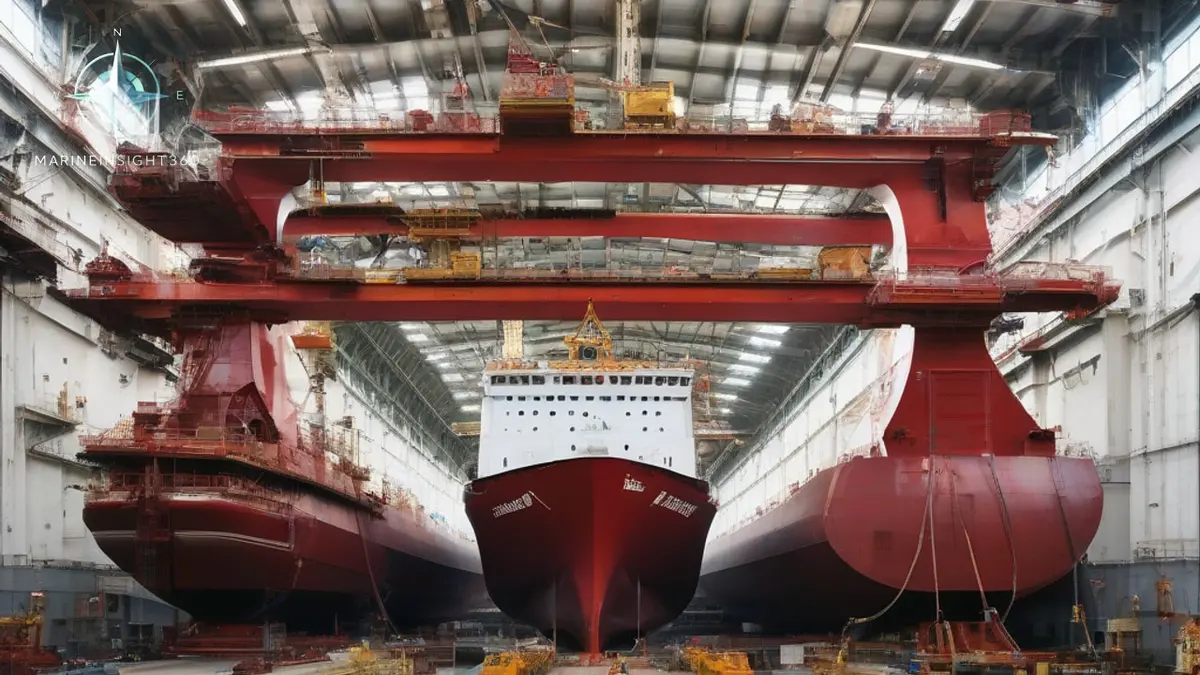
CSSC Tianjin has added two large drydocks by buying the neighboring yard it had been renting space from. The Bohai Bay division of China State Shipbuilding Corporation is purchasing parts of Tianjin Xingang Shipbuilding Heavy Industry's site in the Tianjin Lingang free zone from owner Hong Kong Shipbuilding Industry Corporation. Xingang went bankrupt in 2021.
The purchase brings in a 500,000 tonne drydock, a 300,000 tonne drydock, two gantry cranes, a module plant, a paint plant and more than 1.6 km (1 mile) of extra wharfage. For Greek, Norwegian, Japanese and US owners chasing scarce newbuilding slots, capacity added at a yard already booked to 2028 is the part that matters.
The commercial logic is straightforward. CSSC Tianjin was already leasing part of the site, including six plots of land and 22 buildings, on a lease due to expire in December. Buying outright converts a lease exposure into owned capacity, and reported figures put the addition at around 2.4 million deadweight tonnes of extra annual output at a yard whose berths are already booked through 2028.
What a 500,000 tonne dock actually buys
Dock capacity is the hard constraint in shipbuilding. Steel throughput, crane capacity and outfitting quays can all be expanded incrementally. A dry dock is a fixed civil structure that takes years and a very large capital budget to build, and it cannot be added when the orderbook is already full.
A dock in the 500,000 tonne class can take the largest tankers and ore carriers afloat, or build two or three smaller hulls in tandem. That flexibility is the real value: the yard can chase whichever segment is ordering instead of being tied to one hull size for a decade.
Why owners should track yard capacity news
Newbuilding berths and repair slots have been tight across the market, and the pressure comes from several directions at once.
- Fleet replacement. Large parts of the bulker and tanker fleets are aging into replacement territory at the same time.
- Fuel transition. Dual-fuel LNG, methanol and ammonia-ready designs absorb more engineering hours per hull than conventional tonnage.
- Retrofits. Energy saving devices, shaft generators, ballast water treatment and hull work compete for the same dock time as newbuilding.
- Regulatory pressure. Carbon intensity requirements push owners toward modifications that need a docking rather than a riding squad.
When a yard is booked to 2028, an owner wanting a 2027 delivery is effectively bidding for someone else's cancelled slot. Added capacity in Bohai Bay eases that only slightly, but it moves in the right direction.
The concentration problem
China, South Korea and Japan build the overwhelming majority of the world's merchant tonnage, and the direction of this deal is more concentration, not less. A bankrupt yard's assets are being absorbed by the largest builder in the market rather than restarted by a competitor.
For buyers that cuts both ways. Consolidation usually improves delivery reliability and standardization, because a large group can move work between sites when one falls behind. It also reduces the number of credible alternatives when a negotiation stalls, and it concentrates policy risk: port fees, sanctions and tariff measures aimed at Chinese-built tonnage now touch a larger share of the global orderbook.
Practical takeaways for technical and chartering teams
- Book dockings earlier than you used to. Repair slot lead times have lengthened, and special survey planning should now start well over a year ahead.
- Confirm where the work will physically happen. Within a large group the contracting entity and the building site can differ. Pin down the yard, the dock and the crane capacity before signing.
- Price the build country, not just the build. Country of construction increasingly affects port fee exposure and some financing and charter terms, so it belongs in the newbuilding comparison.
- Watch the lease-to-own pattern. Several Chinese yards have expanded by absorbing distressed neighbors. It is a useful early indicator of where capacity will appear three to four years out.
What to watch next
The number that matters is not the purchase but the delivery record from the enlarged site. Watch whether CSSC Tianjin converts the added dock capacity into earlier delivery dates on offer, or simply extends its orderbook further into the 2030s. The first outcome eases a tight market. The second confirms that demand, not dock space, is the binding constraint.
A yard that has stood idle since a 2021 bankruptcy does not restart clean. Dock caisson seals, dewatering pumps, crane rails and shore power corrode or seize while unused, and the skilled welders, pipefitters and coating crews have long since left. Recommissioning cost and rehiring, not the dock dimensions, decide how quickly those two docks turn into delivered ships.
Build quality is the buyer's exposure, and it gets checked rather than assumed. Owners appoint a classification society to survey construction, and ClassNK, DNV, Lloyd's Register, ABS and Bureau Veritas all run site teams in Chinese yards alongside the owner's own supervision staff. The defects that surface later are usually coating breakdown from poor surface preparation, misaligned pipework and rushed commissioning of automation.
Sources and further reading
- CSSC Tianjin Adds Two Drydocks With Purchase of Neighboring Yard - The Maritime Executive
- CSSC adds extra shipyard capacity - Splash247
- CSSC (Tianjin) Shipbuilding Co Ltd, drydock and repair facilities - TrustedDocks
What to read next
Recommended Reading
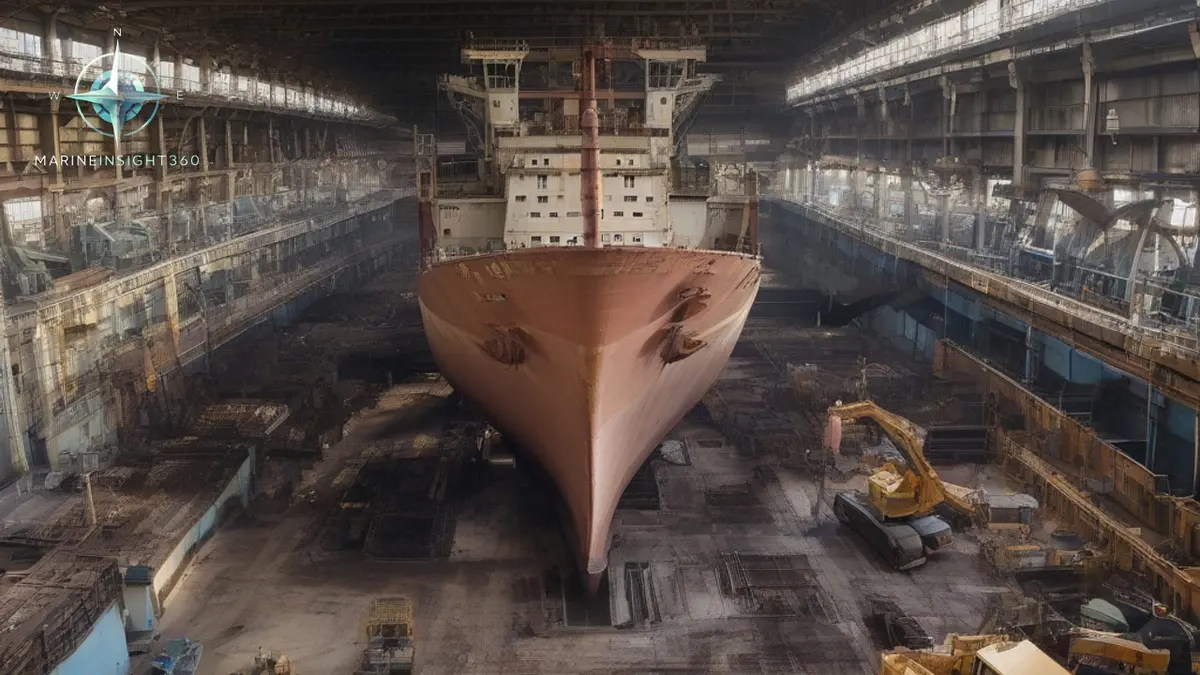
NYK Launches Eco Ship Recycling in Japan: What a Dry-Dock Demolition Yard Changes
NYK is backing eco ship recycling in Japan using a dry dock rather than beaching. What the Hong Kong Convention requires and what it costs owners.
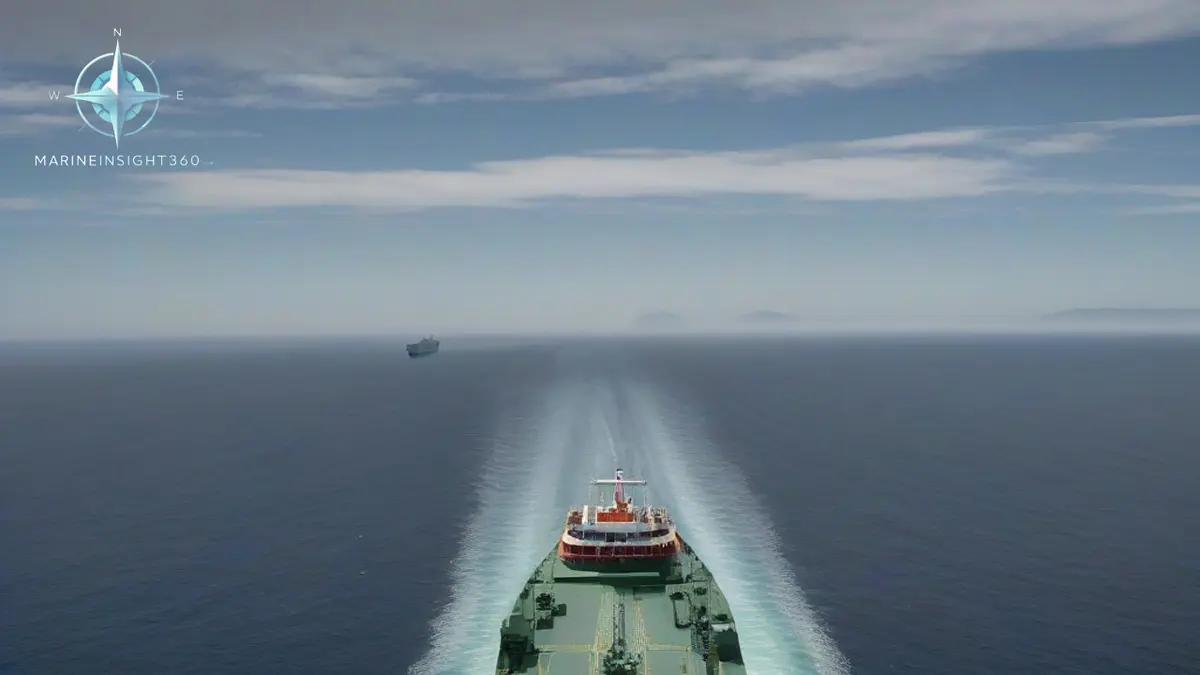
Why Is the Strait of Gibraltar Important? The Mediterranean's Only Door
Why the Strait of Gibraltar is important: the only Atlantic to Mediterranean passage, around 300 transits a day, and what its currents mean for ships.
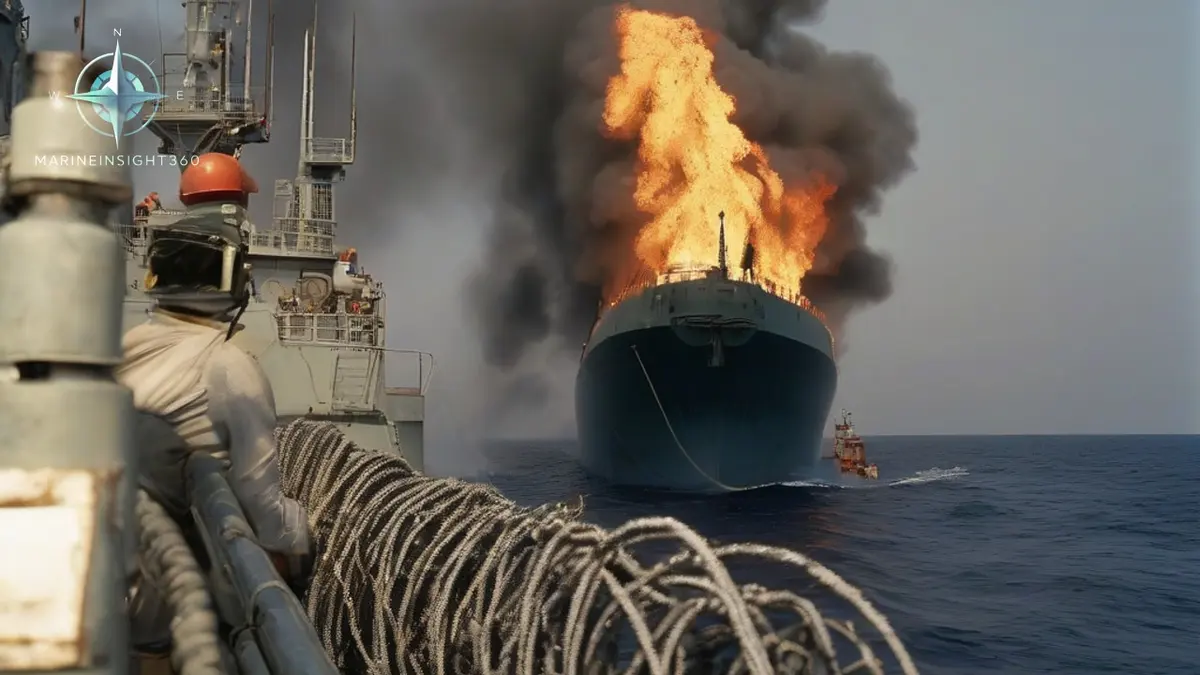
Boat Approaches Tanker Near Yemen: What Happens On Board Next
A boat approaches a tanker near Yemen, then retreats when the armed team appears. Inside the UKMTO reporting chain, warning signs and onboard drills.