
What Was The Ship's Original Figurehead?
The history of shipbuilding dates back to the Middle Ages, when sailing in front of a ship was made by joining wooden boards together. Since then, the…
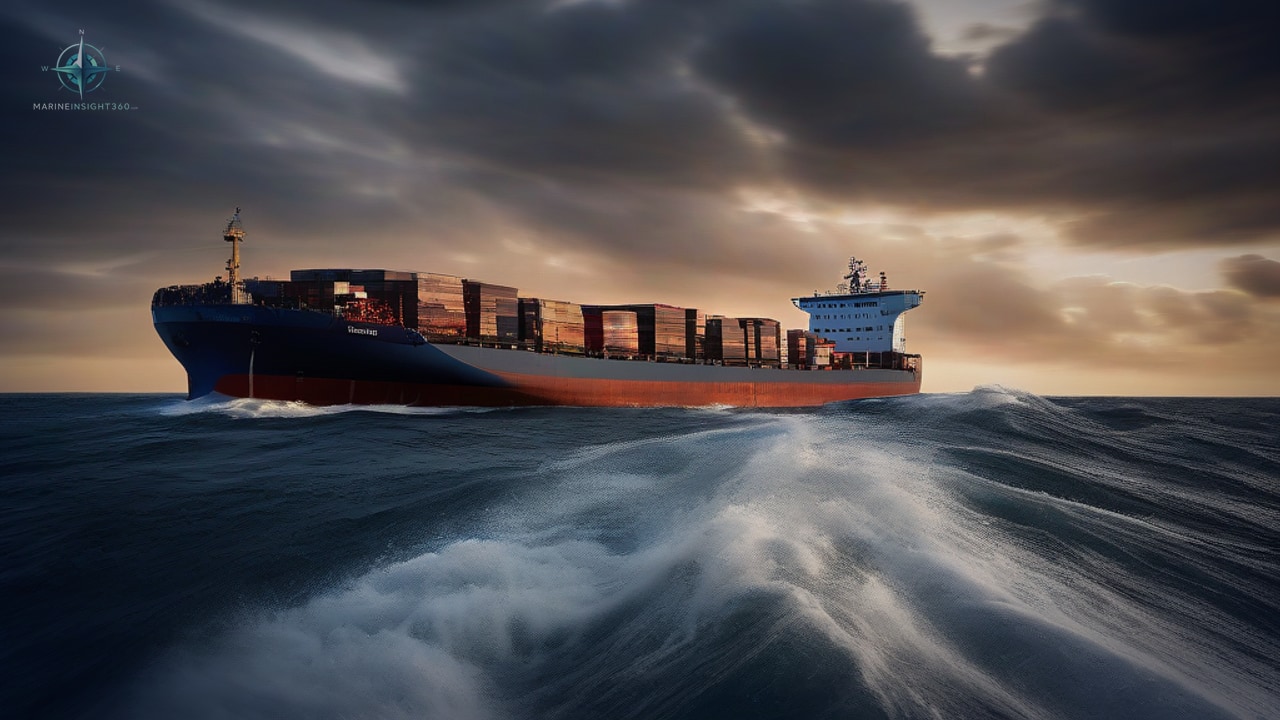
A ship's original figurehead was a carved wooden ornament fixed to the prow, popular from the 16th to the 20th century and believed to protect the vessel and her crew.
People have been building boats for thousands of years, long before the planked wooden ships of the Middle Ages, and shipbuilding has since changed beyond recognition, all the way to modern superyachts and cruise ships. Building a ship is still a long and complicated job, with many steps between laying the keel and the naming ceremony. Decoration has always been part of it.
Modern cruise ships carry elaborate paintwork on the bow, and in the days of wooden ships the front of a ship was often richly carved, with a figurehead as the centrepiece.
A ship's figurehead is a carved figure, usually wooden, mounted on the prow of a ship. Figureheads were most popular from the 16th to the 20th century and were one of the high points of the shipwright's and carver's art, until changes in ship design made them obsolete. Many survive as relics of maritime history. A figurehead gave the front of a ship its own identity. Nobody can say for certain why sailors first put carved figures on the bow, but it is clear that for a long time they were believed to carry magical or religious power.
Origin and Use of Ship Figureheads
Bow decorations go back thousands of years. The Egyptians and the Phoenicians decorated their ships with carved figures long before the Greeks and Romans, although nobody knows exactly when the practice began. Figureheads as we picture them, large carved figures under the bowsprit, became standard on European galleons from the 16th century and reached their peak in the 17th and 18th centuries. The tradition lasted until the early 20th century. Over that long period the purpose of the figurehead changed.
In the Baroque era, the carving on a great warship was meant to impress as much as to protect.
Historical Documents
Ancient Greek ships often had eyes painted on either side of the bow so the ship could "see" her way, and the Romans also decorated their bows with carved figures. As carving became more skilled and the figures more beautiful, figureheads came to stand for the ship herself, where once protection had been their whole purpose. In an age when many sailors could not read, a ship was often recognised by her figurehead as much as by her name.
On naval ships the figurehead also displayed the wealth and power of the king or state that owned them.
Figureheads
Figureheads took the form of people, animals or mythical creatures and represented the spirit of the ship. Egyptian ships carried sacred birds and Phoenician ships horses, both meant to protect the ship and her crew. The dragon and serpent heads on Viking ships, with their teeth and bulging eyes, were meant to scare off evil spirits and enemies.
Some Greek ships carried a boar's head as a sign of ferocity, and Roman ships sometimes carried a figure of a centurion to stand for courage in battle.
Norse ships also carried carved dragons, snakes and other beasts. In later centuries the lion became the standard figurehead on British warships, and later still the female figure became the most common figurehead of all, in Britain and around the world.
Popular Tradition
Many figureheads drew on the sea's own folklore. One popular belief held that a bare-breasted woman on the bow would calm the sea. That sat oddly with the old superstition that a woman aboard would distract the crew and bring bad luck. Sailors also believed that mermaids sang ships onto reefs and rocks, yet they trusted a carved woman on the bow to charm the spirits of the sea and keep the ship safe. On British ships, female figureheads were more often fully clothed.
They included figures of queens, Queen Victoria among them. Ships also carried carvings of the Virgin Mary, Jesus and the Apostles, and dragons and sea serpents that hinted at the ship's name or origin. In later years, statues of rulers and political leaders were thought to bring luck and fortune, so they too appeared on the bows of naval and merchant ships.
The Limits of the Figurehead and the Decline of its Use
In the 17th and 18th centuries, almost every sizeable ship had a figurehead. A large figurehead added to a ship's appeal, but it was also a heavy weight hung right out at the bow, which affected how the ship handled in a seaway, and a big carving was easily damaged by heavy seas or in battle.
Figureheads were also expensive. Large carvings cost a great deal to make and repair, and navies repeatedly tried to cut the bill. The British Admiralty at times ordered smaller ships to carry only a simple scroll or billet head in place of a full figure. Captains and crews did not like losing their figureheads, and the records show that some captains paid for a carved figurehead out of their own pockets.
Figureheads
Through the 18th century figureheads became smaller and plainer, and by around 1800 many smaller ships had lost them. They never disappeared completely, and figureheads stayed popular on merchant sailing ships, especially clippers, through the 19th century. The real end came with iron and steel ships. Hulls became sleeker, straight stems replaced the old projecting beakheads, and there was simply nowhere to fit a large carving. Even so, a few ships still carried figureheads into the early 20th century.
Some ships, especially German and British, carried figureheads up to around the First World War, but by then the tradition was fading. The big steel battleships finished it off in navies. HMS Rodney, launched in 1884, was the last British battleship to carry a figurehead, although some smaller Royal Navy ships kept them for a while longer. Warships still carry ship's badges, plaques mounted on the superstructure with a design linked to the ship's name or role.
The Fate Of The Figurehead
The wooden figurehead disappeared along with the wooden sailing ship. Changes in shipbuilding left no place for it, and new forms of decoration, such as painted designs and badges, took over in the 20th century. Many old figureheads went to galleries and museums. A few sail training ships still carry figureheads today, and the ornaments on the bonnets of cars are a distant echo of the same idea.
Royal Museums Greenwich holds one of the best-known collections, tracing ship decoration from the 17th century to the 20th. Along with its figureheads, it has carvings from the royal yacht Victoria and Albert III and other decorative ship carvings, such as trailboards and stern carvings. Figureheads like these are prized exhibits in maritime museums around the world, where they show visitors and researchers how ships looked and what their crews believed in eras that would otherwise be hard to picture.
Recommended Reading

Diwali at Sea: Far from Home, Together as One Crew
What Diwali looks like on a merchant ship: a crew of different faiths and nationalities celebrating together, thousands of miles from home.
Ramadan at Sea: Fasting, Prayer and Watchkeeping for Muslim Seafarers
A practical guide to Ramadan on board: fasting and watchkeeping, rest hours, suhoor and iftar timings across time zones, galley, prayer and Eid.

Ship Earthing Systems: Insulated Networks, Bonding and Earth-Fault Monitoring
Why ships use insulated electrical systems, how earth faults are found, high-voltage resistance earthing, bonding, tanker rules and shore power.