
What Is The Uniform Of The Merchant Navy?
The merchant navy dress code is a source of pride and respect for those who serve at sea. It takes years of hard work and discipline. And dedication for a…

Seafarers take pride in the merchant navy dress code. An officer's stripes stand for years of study, sea time and exams, and earning them takes discipline and hard work. The uniform draws attention well beyond the maritime community.
Plenty of people who know nothing about shipping recognise it. For those who wear it, the uniform is tied up with their experience at sea, what they have achieved and the industry that shaped them. Many young people join the merchant navy hoping to wear it one day, and getting there takes real effort.
History of the Merchant Navy
For most of history merchant seafarers had no uniform at all. Navies adopted uniforms long ago, but merchant officers and crews wore what they liked, and historians think ordinary seamen's working clothes were much like those of farm workers and other labourers. The idea of a standard merchant uniform took hold in the 20th century, especially after World War I. King George V later honoured British merchant seafarers' wartime service by granting them the title "Merchant Navy" in 1928, and the British Merchant Navy has kept the name ever since.
Uniforms entered merchant naval culture through passenger ships. The big passenger lines gave their crews stripes and badges so passengers could tell crew from travellers, and so officers stood out from ratings such as seamen and petty officers. Other British and European shipowners copied the idea. Even so, there was no official merchant uniform in Britain until September 1918, when the Mercantile Marine (Uniform) Order set out a standard uniform.
Research
According to Royal Museums Greenwich, most of the merchant uniforms in its collection date from the 20th century, including the standard uniform introduced in 1918. The uniform showed a seafarer's rank and department, made each person's responsibilities clear and helped discipline on board. The gold stripes on the sleeves and shoulders marked rank. Full uniform was common on merchant ships until about the 1970s, after which it gradually disappeared from most cargo ships.
What Is The Uniform Of The Merchant Navy?
Passenger ship crews kept wearing uniform, while crews on other merchant ship types put practical working clothes first and made the formal items optional. The British also introduced a Merchant Navy cap badge. Department was shown by the colour between the gold stripes: deck officers wore plain gold, engineer officers gold with purple, electrical officers gold with green, surgeons gold with red, and pursers gold with white.
Merchant Navy Dress Code On Board
Uniforms separate crew from passengers, and they also give the crew a sense of belonging to one team and set a professional tone on board. What a seafarer actually wears depends on the type of ship and the job.
A seafarer working on deck or in the engine room wears overalls with a high-visibility vest and personal safety equipment such as gloves, a helmet and safety shoes. As in other workplaces, the merchant navy uniform carries information about the person wearing it, which makes the chain of command on board easy to see.
Merchant Marine Uniform
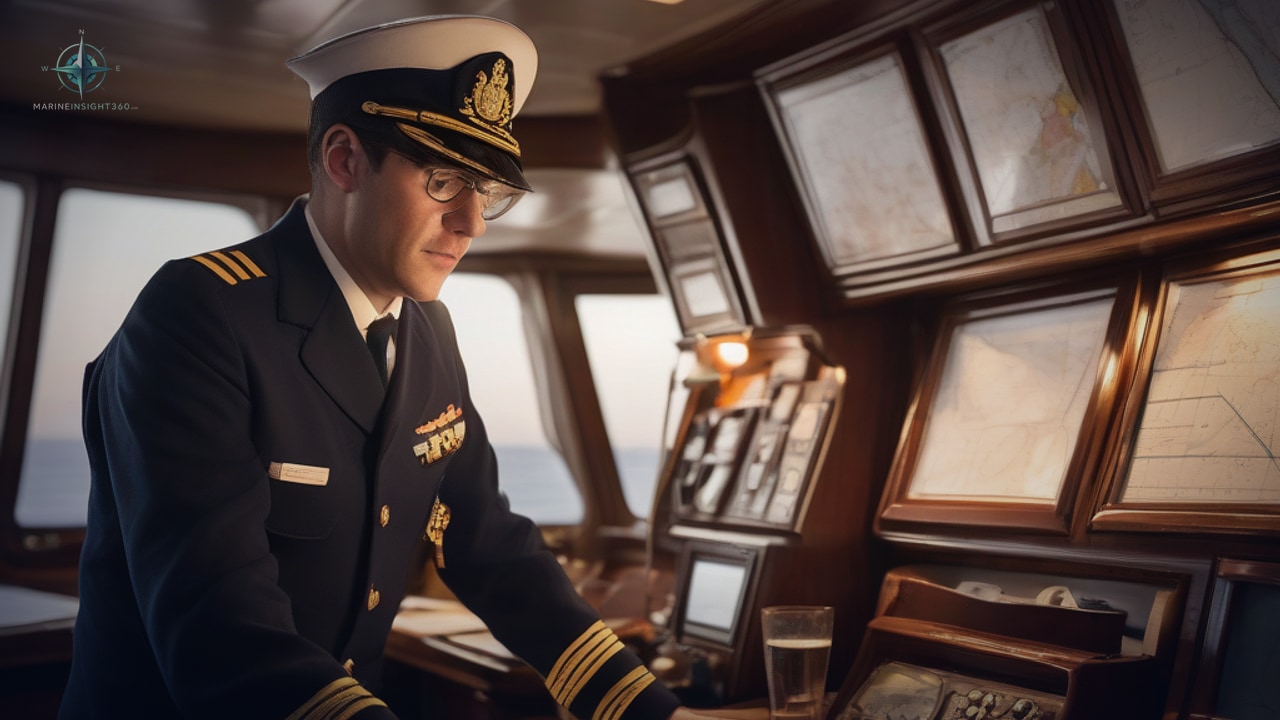
Deck officers usually wear a white shirt and black or dark trousers with rank epaulettes when on the bridge, in the accommodation or in the mess rooms. Black shoes complete the uniform, with a sweater added in cold weather. The peaked cap has a black or white cover and the company or Merchant Navy cap badge.
On deck or during cargo work, officers change into overalls and other personal protective equipment, and the deck ratings wear the same overalls and safety boots. Engineers spend most of their day in the engine room, so they wear overalls almost all the time, changing only for office work or a visit to the bridge.
(At lunch, engineers are often allowed to eat in their overalls because there is no time to change.) The engineer officer's formal uniform is the same as the deck officer's apart from the epaulettes, which carry purple between the gold stripes. Some companies add an anchor to deck officers' epaulettes and a propeller to engineers'. The peaked cap is the same as the deck officer's. Engine ratings also wear overalls and protective clothing most of the time.
Uniforms of Merchant Navy Crew
The deck and engine crew wear overalls while working. Stewards usually wear white shirts, black trousers and black shoes (or safety shoes), and cooks wear chef's whites in the galley. As in other workplaces, uniform varies with rank, and some crew uniforms carry cap badges or company insignia. Merchant navy uniforms today are more practical and better designed than in the past, and they still draw young people to the profession.
Recommended Reading

Duties of a Marine Engineer in the Merchant Navy
A marine engineer is the backbone of any merchant ship.
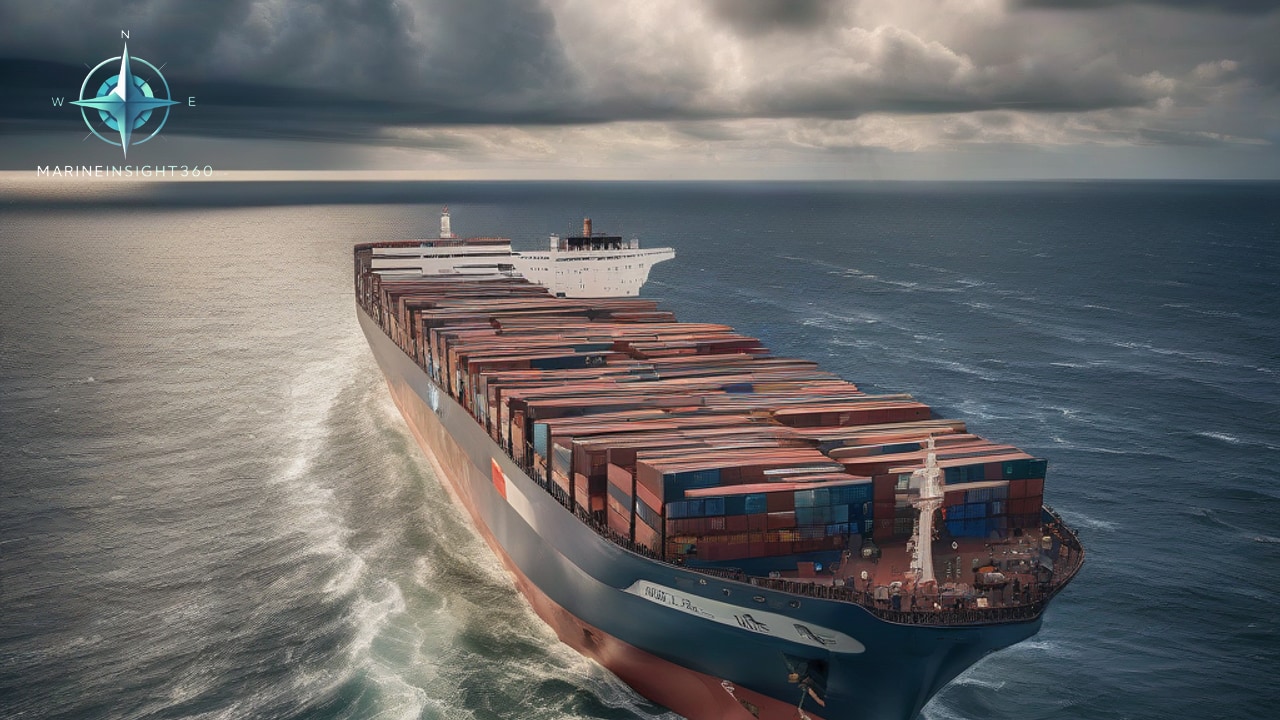
Why is Merchant Navy Day celebrated?
Merchant Navy Day is an important holiday that celebrates gratitude and appreciation for the hard work, dedication, and perseverance of seafarers. It is…
Difference Between Merchant Navy Ranks and Defense Ranks
If you're fascinated by life at sea and considering a career in the maritime world, you've likely come across two distinct paths: the Merchant Navy and…