
Iranian Gunboat Fires at Container Ship off Oman Coast, Maritime Agency Reports
A British maritime agency reported an IRGC gunboat firing on a container ship 15 miles off Oman. What the attack profile means for ships hardening for Hormuz.
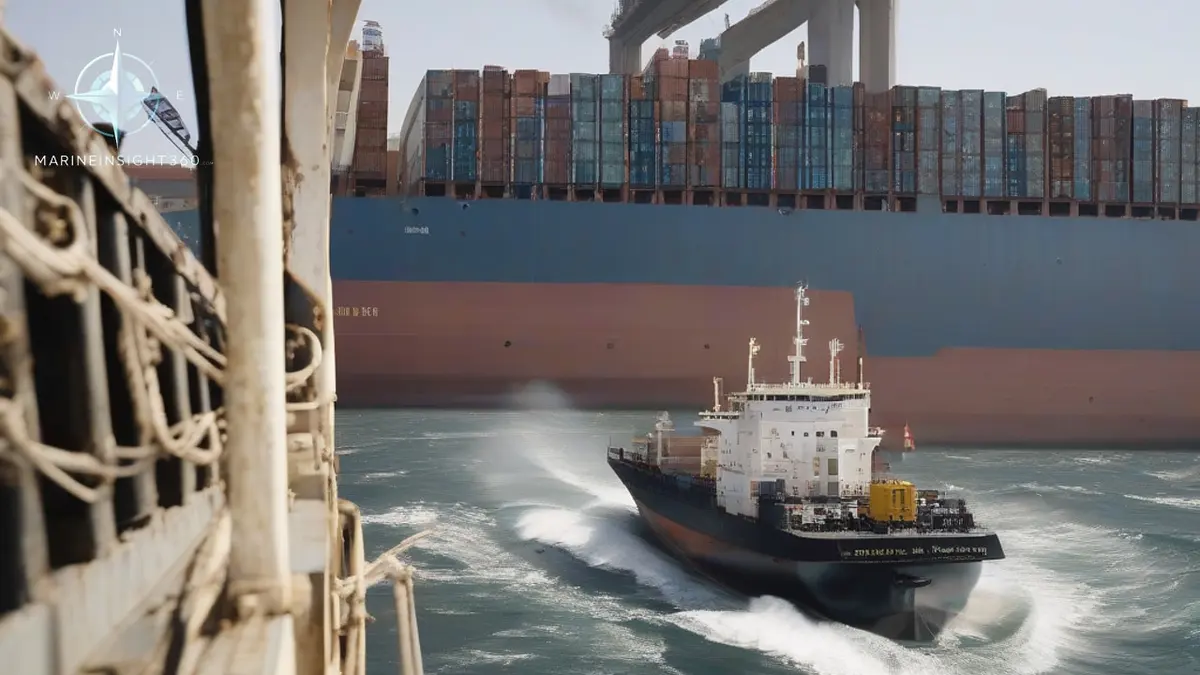
An Iranian gunboat fired on a container ship off the coast of Oman on 22 April 2026, causing heavy damage to the bridge but no casualties, according to a British maritime security agency. The master reported that the Liberian-flagged vessel was approached by an Islamic Revolutionary Guard Corps gunboat around 15 nautical miles northeast of Oman, and that the ship had already been told it had permission to transit the Strait of Hormuz.
No fire or pollution followed and all crew were reported safe.
Iran's account differs. The Tasnim news agency said the ship had ignored warnings from Iran's armed forces. The incident sits inside a wider crisis in which Hormuz transits have been heavily restricted since the outbreak of war between Iran, Israel and the United States, with US forces enforcing a blockade of Iranian ports.
What the reported sequence tells a bridge team
Three details matter operationally. The attack happened outside the strait itself, in the Gulf of Oman approaches, where many masters relax the posture they hold inside Hormuz. The attacker was a small fast craft rather than a warship. And the rounds went into the bridge front, which is where the watchkeepers stand.
That combination matches the profile industry security guidance already covers. A small craft closes on a quarter or fine on the bow, then fires on the accommodation block to force a stop. The countermeasures are unglamorous and they work.
Hardening a ship against small craft fire
- Fit ballistic protection at the bridge front and wings. Layered sandbags, water filled drums or proprietary panels reduce spall and give the watch somewhere to drop below the sightline.
- Reduce bridge manning to the minimum during a high threat transit and move non-essential personnel below the waterline.
- Hold maximum safe speed and rig for evasive steering. A ship altering hard and throwing wash makes a small craft approach far more difficult.
- Have the citadel ready with independent communications, water, and a means of contacting naval forces directly rather than through the office.
- Brief the crew on where to muster if the bridge is hit, and confirm the emergency steering position is manned and tested before entry.
Reporting is what brings help
The report in this case came from the master to a maritime security agency, which is how the incident became public and how naval forces were alerted. UKMTO, the United Kingdom Maritime Trade Operations office, is the standing reporting point for the Gulf, Gulf of Oman, Arabian Sea and Indian Ocean, and voluntary reporting on entry to the area is what allows a warship to be directed toward a ship under attack.
The common failure is not refusal to report. It is that reports go out late, without a position, or by satellite email to the company first. A distress call and a security report to the regional authority take priority, and both should be pre-drafted with the ship's particulars ready to send.
Insurance, charterparty and the right to refuse
Attacks on merchant ships move markets before they move policy. War risk underwriters reprice listed areas after incidents, and the additional premium on a Hormuz transit can dominate the economics of a voyage. Owners should check whether their charterparty carries war risk clauses permitting refusal or deviation, because those clauses are the mechanism that lets a master decline a transit without breaching the contract.
Crew have standing here too. Seafarers cannot be compelled into a war zone without agreement, and flag administrations and seafarer unions have long recognized the right to refuse transit through high risk areas. Get the crew position in writing before the ship commits to an approach, not while it is at the entry point.
What to expect next in the Gulf of Oman
Expect continued interference well outside the strait, expect escort and convoy arrangements to be offered to some flags and not others, and expect insurers to widen listed areas rather than narrow them. A ship damaged on the bridge front and still able to proceed is the outcome that makes headlines. The same encounter with a steering failure or crew casualties would have produced a very different day.
Masters trading east of Suez should run a small craft attack drill before the next Gulf voyage and confirm that the citadel, the emergency steering arrangements and the reporting pack are all current. Our Maritime Safety section covers ship hardening and transit planning in more detail.
Sources and further reading
- Iranian gunboat fires on container ship off Oman coast
- Iranian gunboat fires at container ship off Oman, ship off Iran also targeted
- Iranian gunboat targets container ship off Oman coast: British maritime agency
What to read next
Recommended Reading

Container Tracking: How Shippers Actually Follow a Box Across the Ocean
How container tracking works, from free carrier lookups to visibility platforms: what each tool layer does, what it costs, and how to pick for your volume.
Container Vessel Capsizes off Kochi Coast: All 24 Crew Members Rescued
MSC ELSA 3 listed heavily and sank 30 nm off Kochi with 640 containers aboard. All 24 crew were rescued. What the casualty shows about list and response.
How Many Ports Are There in Oman, and Which Ones Matter to Shipping
Oman has eight ports of commercial weight, but three carry the trade. A guide to Sohar, Duqm, Salalah and the terminals behind them.