
How to Make a Career in Merchant Navy Denmark?
Serving in a Merchant Navy Denmark, responsible for the movement of goods and people at sea, is a prestigious occupation. As it is an essential part of…
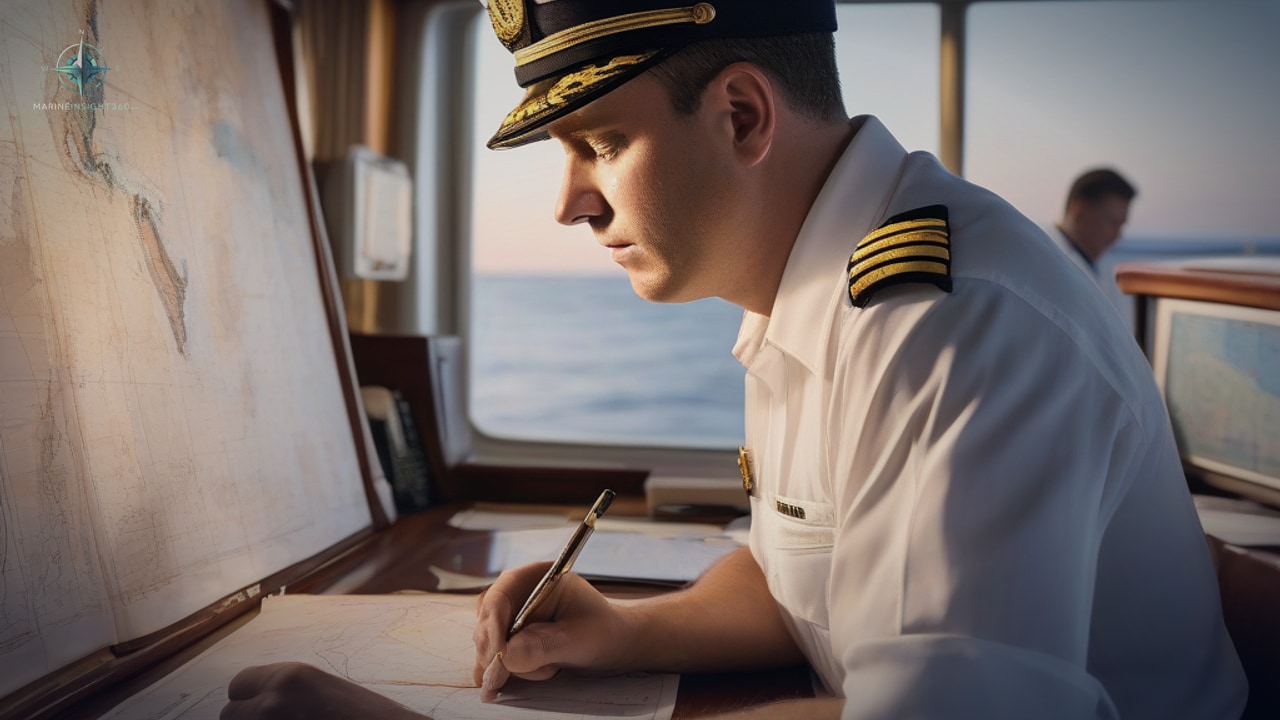
Working in the Merchant Navy in Denmark means joining one of the world's leading shipping nations. Danish companies such as Maersk, DFDS, Torm and Norden operate large fleets, and the Danish International Ship Register (DIS) is one of the main European flags. Shipping companies there need well-trained officers and ratings. This guide explains how a career in the Merchant Navy in Denmark is organised and what training it takes.
Who Makes Up The Merchant Navy Denmark?
The Danish merchant fleet carries goods and people around the world. It includes container ships, tankers, bulk carriers, ferries and offshore vessels, and Danish companies also manage many ships under other flags. Officers and ratings on these ships are responsible for running them safely and efficiently, which takes training in navigation, cargo work and the operation and maintenance of complex machinery.
How Can I Start A Career In The Merchant Navy Denmark After The 10th Year?
Danish students who finish primary and lower secondary school (folkeskole, which ends after 9th or 10th grade) can start at sea through vocational education as a ship's assistant (skibsassistent). The programme combines school periods with paid training on board under an agreement with a shipping company, and leads to work as a deck and engine rating. Experienced ship's assistants can later go on to officer training, and from there build the sea time to rise toward Marine Engineering posts or the bridge as a marine engineer or deck officer. With enough experience and further certificates, officers can be promoted to chief engineer or captain.
How Can I Start A Career In The Merchant Navy Denmark After Year 12?
After upper secondary school, students can apply to one of Denmark's maritime education institutions. The Svendborg International Maritime Academy (SIMAC) and MARTEC in Frederikshavn offer the ship's officer (skibsofficer) programme, which combines nautical and technical training and qualifies graduates to work as both deck officer and engineer officer. SIMAC also offers a professional bachelor programme for master (unlimited) and Marine Engineering programmes, and marine engineers (maskinmester) are also trained at schools such as the one in Copenhagen. The ship's officer programme requires an education agreement with an approved Danish shipping company before you start, and teaching is mainly in Danish. Sea time is built into the training, and graduates then take the Danish Maritime Authority's officer exams for their first marine engineer or deck certificate. From there, officers can work toward chief engineer or master. (Note that the Royal Danish Navy is the military navy and has its own separate recruitment.)
Merchant Navy Denmark Qualification Regulations
Entry rules vary by programme and institution, but for a career in the Merchant Navy Denmark you will usually need:
- The right school background for your chosen programme, with mathematics and physics for officer training.
- For officer programmes, an education agreement with an approved shipping company, which the shipping companies themselves recruit for. The same basic idea applies to Merchant Marine training in most countries.
- A valid seafarer's medical certificate from a doctor approved by the Danish Maritime Authority.
- Eyesight and colour vision that meet the standards for your department, which are strictest for deck officers.
- Enough Danish to follow the teaching, since most officer programmes are taught in Danish.
Merchant Marine Medical Requirements
To work at sea in the Merchant Marine, you must pass a seafarer's medical examination based on the STCW Convention and the ILO Maritime Labour Convention. In Denmark it is carried out by doctors approved by the Danish Maritime Authority. It covers:
- General health and fitness for duties at sea, including emergency duties.
- Freedom from conditions that could be made worse by life at sea or endanger others on board.
- Blood pressure, heart and lung function within acceptable limits.
- Hearing good enough to hear alarms and orders.
- Eyesight meeting the minimum standard for your department, with or without glasses.
- Normal colour vision for deck officers and lookouts.
- The physical ability to climb ladders, wear breathing apparatus and take part in drills.
Merchant Navy Denmark Topics And Core Curriculum
What you study depends on the programme. These are typical subjects in a Merchant Marine officer programme:
Marine Engineering
Diesel and dual-fuel marine engines, propulsion systems, auxiliary machinery, and their operation and maintenance.
Navigation
Charts and passage planning, electronic navigation systems, collision regulations, meteorology and watchkeeping.
Seamanship
Ship handling, mooring and anchoring, rigging, ropework and cargo handling.
Marine Electrical and Electronic Engineering
Ship's electrical systems, automation and control, and communication equipment.
Marine Engineering
Ship construction, stability and the strength of ships, sometimes taught as naval architecture. This is closely linked to marine engineering.
Maritime Safety
Firefighting, survival at sea, first aid, safety management and emergency response, including the STCW basic safety training every seafarer needs.
Merchant Marine Universities Abroad
Many countries have well-known maritime academies, from the United Kingdom to the United States, Australia and Singapore, and some accept international students. Some of the best known are:
- Solent University, Southampton, UK
- United States Merchant Marine Academy, Kings Point, New York (open mainly to US citizens)
- Australian Maritime College, Launceston, Tasmania
- Singapore Maritime Academy, Singapore
Merchant Navy Denmark Jobs And Salaries
Jobs in the Merchant Navy in Denmark range from ratings to senior officers, and pay rises with rank, experience and the type of ship. Officer training is demanding, and promotion depends on passing further exams as well as sea time. Common positions include:
- Deck officer (third and second officer, chief officer, master)
- Marine Engineer (fourth to chief engineer)
- Electro-technical officer
- Ship's officer working in both deck and engine roles
- Ship's assistant (rating)
Pay for merchant marine officers in Denmark is set largely by collective agreements and varies with rank, ship type and trading area, with senior officers on international routes earning the most.
For people who like the sea, a career in the Merchant Marine can be both demanding and rewarding. With the right education, training and sea time, you can rise to master or chief engineer, see the world and earn a good salary.
Recommended Reading
Career Paths in the British Merchant Navy
Have you ever dreamed of sailing the seas, visiting new countries, and working on massive ships that carry goods or passengers around the world? A career…
How to start Your Career in Merchant Navy?
Professional opportunities exist that offer people the chance to experience travel adventures and earn good earnings. An employment in the Merchant Navy…
Merchant Navy Rating Jobs: Duties and Career Path
Merchant navy rating jobs are entry-level and skilled seagoing roles that support the daily operation of a ship. Ratings work under officers in deck, engine and catering departments.