
Military Sealift Command Jobs: How CIVMAR Hiring Works
What Military Sealift Command jobs involve, the credentials CIVMARs must hold before applying, entry-level routes, and how MSC compares with commercial sailing.
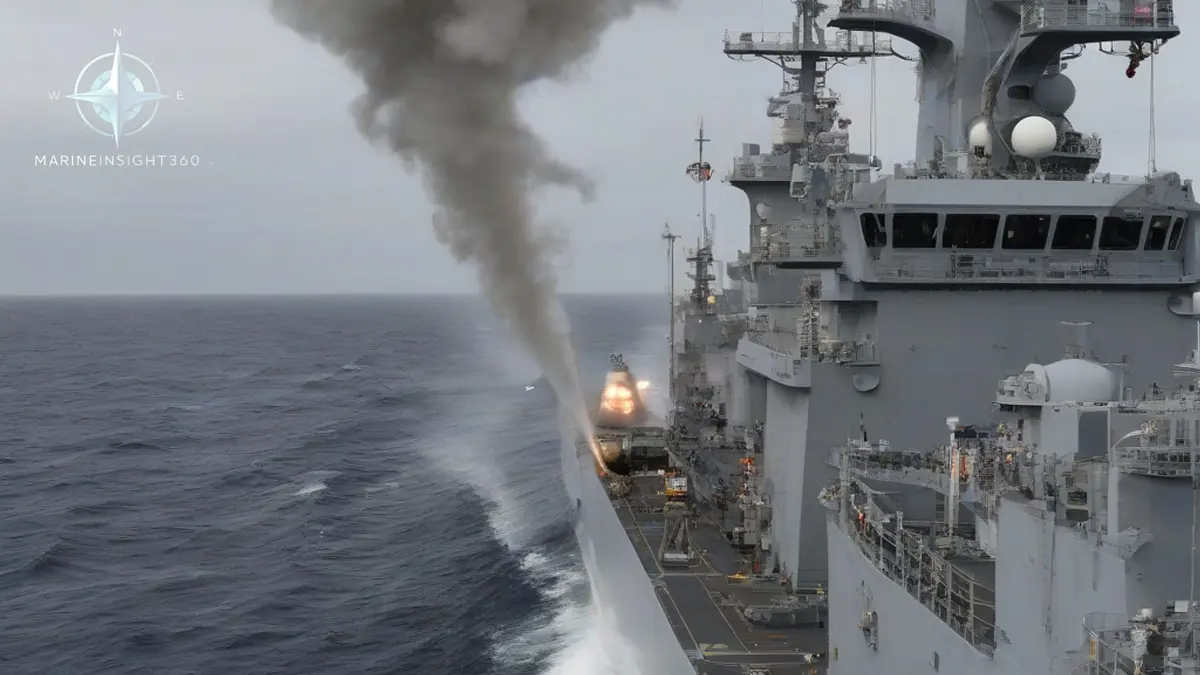
Military Sealift Command jobs are federal civil service positions aboard United States government-owned ships that support the US Navy. The mariners who fill them are called civil service mariners, or CIVMARs. They are civilians, not enlisted sailors, and they hold the same US Coast Guard credentials as any other American merchant mariner.
To be hired as a CIVMAR you must be a US citizen, at least 18 years old, hold a valid US passport, hold a Merchant Mariner Credential and a Transportation Worker Identification Credential, pass an MSC medical examination, and be drug free with a urinalysis on file. Everything else in the process follows from those five items.
The credentials you need before you apply
MSC is specific about validity periods, and applications get held up over expiry dates more often than over experience.
- US citizenship and a minimum age of 18.
- A valid US tourist passport with at least seven months remaining before expiry.
- A TWIC , the federal identity card required for unescorted access to secure port and vessel areas, and a Department of Defense Common Access Card, with at least ten months remaining.
- A Merchant Mariner Credential (MMC) issued by the US Coast Guard for service aboard US-flagged vessels, with at least ten months remaining.
- Medical fitness sufficient to pass an MSC-administered physical, plus a drug screen under Department of Health and Human Services guidelines.
The MMC is the long pole. An entry-level MMC in the Ordinary Seaman rating requires no prior sea service and no examination, but it does require a Coast Guard medical certificate and a current DOT five-panel drug test, and processing takes time.
Entry-level, rated and licensed positions
CIVMAR billets split into two broad groups. Licensed officers include masters, deck officers and engineers. Unlicensed ratings cover deck, engine and supply departments, including able seamen, wipers, oilers, ship's cooks and supply utilitymen.
MSC recruits directly at entry level, which makes it one of the few large US employers that will take an unlicensed mariner with a fresh credential and no sea time. That is the practical attraction for someone starting out: a first ship without a union hall, and a documented path to upgrade.
What the ships actually do
MSC operates the support fleet rather than the combatant fleet. That means underway replenishment oilers, dry cargo and ammunition ships, hospital ships, salvage and towing vessels, and special mission ships carrying scientific or surveillance parties.
Two operational realities shape the job. First, replenishment work involves close-quarters station keeping alongside a warship for hours at a time, which is a demanding watch and a genuinely marketable skill. Second, deployments follow naval requirements rather than commercial schedules, so ports and dates change with little notice.
Rotations, pay and the trade-offs
CIVMAR assignments are longer than most commercial US-flag rotations. Mariners are assigned to a pool and sent where the fleet needs them, so you have less control over which ship and which ocean than a mariner shipping through a union hall.
Against that, the package is federal. You get the civil service benefits structure, including retirement and health coverage, and continuous employment rather than voyage-by-voyage hiring. Sea time counts toward Coast Guard credential upgrades exactly as commercial sea time does, so a few years of MSC service converts cleanly into a higher rating or a license.
The honest comparison is stability against autonomy. Commercial deep-sea and coastwise operators often pay more per day at the top end and give you more say in your schedule. MSC gives you a steady billet, predictable benefits and access to hulls that most mariners never work on.
Making the application go smoothly
- Start the MMC and TWIC applications first. Everything else waits on them, and neither is quick.
- Check every expiry date against MSC's minimum remaining validity before you submit, not after.
- Be candid on the security paperwork. Background vetting is thorough, and inconsistencies cost more time than the underlying issue usually would.
- Prepare for a physical that is stricter than a routine commercial medical, including vision and hearing standards.
- Plan the timeline in months rather than weeks, and keep earning sea time elsewhere while you wait.
Who this suits
MSC work fits mariners who want long, reliable sea time early in a career and are willing to trade schedule control for it. It suits engineers particularly well, since the fleet runs a wide range of plants and the maintenance load is real. It suits anyone who wants federal benefits without a military commitment.
If you are still gathering credentials, our Merchant Navy Careers section covers the Coast Guard credentialing sequence and the STCW basic training that sits behind it.
Applications fail on documents far more often than on experience. A short dated passport, a TWIC or MMC inside the minimum remaining validity, a missing medical element, or an inconsistency on the security paperwork each stop the file. The medical is a common stopping point, because vision, hearing and general fitness are assessed against MSC's own criteria rather than a routine commercial physical.
The other common mistake is treating a pool assignment like a commercial billet. CIVMARs can be held past an expected relief date when the fleet needs the hull. Mariners who plan life ashore around a fixed return date are the ones who leave early. Connected replenishment carries its own risk as well, since parted rigs and hose failures alongside a warship are what the drills exist for.
Sources and further reading
- Civil Service Mariners, Military Sealift Command
- MSC Conditions of Employment
- MSC Entry Level Positions
- How to Join the Merchant Marine, MITAGS
What to read next
Recommended Reading

Merchant Marine Jobs: Credentials, Routes and Who Is Hiring
Who employs US merchant mariners, how the Merchant Mariner Credential and TWIC work, and the entry-level, academy, union and Military Sealift Command routes.
Entry Level Deckhand Jobs: Getting Your First Ship
Entry level deckhand jobs explained: the credentials US and UK employers require, which sectors hire without sea time, and how to turn a first job into a career

Fly In Fly Out Offshore Rig Jobs: Rotations, Certificates and Realistic Routes In
Fly in fly out offshore rig jobs explained: common rotations, the BOSIET and HUET tickets you cannot board without, entry roles, and how offshore pay is built.