
Strait of Hormuz: What a War Ending Without a Reopening Means for Shipping
The Strait of Hormuz stays shut because war risk and P&I cover, not politics, gate transits. What the closure means for tankers, bunkers and crews.
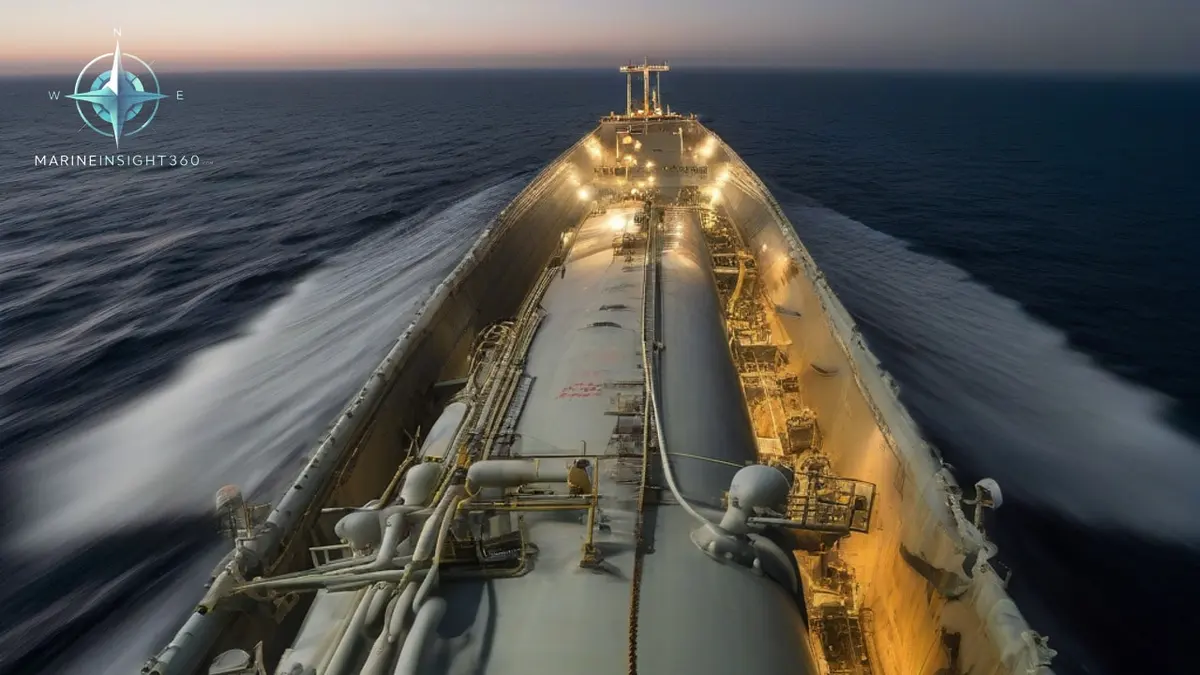
A political settlement and an open Strait of Hormuz are two different things. Signals that a war could end without the strait reopening match what has actually happened through 2026. The strait has been closed or barely usable for commercial traffic since late February, and the binding constraints are marine war risk insurance, protection and indemnity cover and crew safety rather than any declaration.
The Strait of Hormuz normally carries about a fifth of global petroleum liquids consumption. Iran closed it to normal commercial traffic on 28 February 2026 after United States and Israeli airstrikes. Even after an April ceasefire and a June memorandum that briefly reopened transits, underwriters rather than governments decide when tankers sail.
What the Strait of Hormuz normally carries
United States Energy Information Administration figures put total oil flows through the strait at an average of 20.9 million barrels a day in the first half of 2025. That is roughly 20 percent of global petroleum liquids consumption and about a quarter of all seaborne traded oil. Around 15 million barrels a day was crude oil and condensate. About 5.5 million barrels a day was refined product such as diesel, jet fuel and fuel oil.
Add Qatari LNG and the strait becomes the most concentrated energy chokepoint anywhere. EIA data for the first quarter of 2026 showed crude and petroleum liquids through the strait falling almost 30 percent year on year, to 14.6 million barrels a day.
Why insurance, not diplomacy, gates the reopening
War risk premiums rose roughly fivefold within 48 hours of the closure. Marine insurers then terminated existing cover and offered replacement terms reported at around sixty times pre-crisis rates. War risk policies for vessels entering the Persian Gulf became void on 5 March, and International Group P and I clubs had issued 72-hour cancellation notices on 2 March.
That sequence matters because a tanker without valid war risk and P and I cover is not commercially sailable. Charterers will not fix her. Banks financing the cargo will not release documents. Owners and flag states will not accept the exposure. A ceasefire announcement does not restore cover. Underwriters restore cover, and they price on observed attacks rather than on statements.
The June reopening and why it did not hold
A United States and Iran ceasefire in early April was followed by a memorandum in mid-June that reopened the strait toll-free from around 17 June. Traffic began to return. The arrangement broke down in early July after attacks on commercial vessels, and transits fell away again. By mid-August the strait was effectively closed to normal commercial traffic, against a baseline of roughly 70 transits a day.
The planning lesson is that reopening is fragile. One successful attack on a merchant ship resets the insurance market faster than weeks of negotiation rebuild it.
The bypass routes and what they cannot move
Only Saudi Arabia and the United Arab Emirates operate crude pipelines that route around the strait. The Saudi East-West line runs to Yanbu on the Red Sea. The UAE line runs to Fujairah on the Gulf of Oman, outside the strait. Together they cover a minority of normal flows.
Three gaps remain. Kuwait, Iraq's southern terminals, Qatar and Bahrain have no bypass at all. Refined product volumes are largely stranded because the pipelines carry crude. Qatari LNG has no pipeline alternative to any customer that matters. Any plan that assumes pipelines absorb a closure is wrong by a wide margin.
What operators and crews are doing instead
- Bunkering outside the strait. Fujairah sits on the Gulf of Oman and is one of the largest bunker ports in the world, handling more than 130 million tons of product in 2023. It is the natural stem point while the strait is unusable.
- Working the east coast. Khor Fakkan and Fujairah give container and bulk operators a UAE call that needs no Hormuz transit.
- Hardened transits. Where a passage is authorized, expect night transit, maximum practical speed, citadel and drill readiness, AIS discipline and naval coordination.
- Cargo substitution. Non-Gulf grades are being lifted where refineries can process them, at a freight and quality cost that eventually reaches the consumer.
Crew entitlements when a strait becomes a war zone
Seafarers have contractual rights that activate once an area is designated warlike. Under IBF-agreed terms these typically include a bonus equal to basic wage for the period in the area, doubled death and disability compensation, and the right to refuse to sail into it without prejudice to employment.
On the commercial side, war risk clauses in charterparties, usually CONWARTIME or VOYWAR forms, give owners a right to refuse a voyage order that exposes the ship to war risk. Masters should confirm in writing which designation applies before entry and record the crew briefing. Retrospective claims are much harder to settle.
Why this matters beyond the Gulf
A prolonged closure reprices tanker earnings, bunker prices and war risk premiums globally, because tonne-miles lengthen everywhere when Gulf barrels are replaced from farther away. Operators with no Gulf trade still feel it through bunker costs and insurance renewals. Treat the strait as closed for planning purposes until underwriters say otherwise, and confirm the current war risk designation with your broker before every fixture.
Two named bodies are worth following here rather than the headlines. UKMTO takes vessel reports and issues advisories for the Gulf and Gulf of Oman, and it is the number a master calls when something happens. The IMO circulates the incident reports afterwards. War risk listings themselves come from the London market's joint war committee, which answers to underwriters rather than to any government.
The failure that catches ships here is navigational rather than military. GPS jamming and spoofing in the Gulf push reported positions miles off track, ECDIS alarms cascade, and vessels have been drawn toward Iranian waters by a fix they trusted. Cross-check with radar ranges, visual bearings and the echo sounder, and log the interference. Small boat approaches and drone attacks are the other recurring incidents.
Sources and further reading
- EIA World Oil Transit Chokepoints analysis
- When will Strait of Hormuz be safe for commercial shipping again?
- What stopping war-risk insurance in the Strait of Hormuz tells us
- Maritime insurers cancel war risk cover in Gulf
What to read next
Recommended Reading
Iran's Strait of Hormuz Maritime Zone Claim and What It Means for Shipping
Iran claims regulatory control over the Strait of Hormuz. Here is what transit passage law says, how traffic has collapsed, and what masters should do.
Iran's Threat to Burn Ships in the Strait of Hormuz: What It Means at Sea
Iran has threatened to burn ships in the Strait of Hormuz and mined the corridor. What the threat means for transit planning, war risk cover and crews.
Strait of Hormuz Risks: What Shipping Faces in the Current Crisis
Strait of Hormuz risks now include direct attacks, mass GPS jamming and war risk premiums near 10 percent of hull value. What operators must plan for.