
What Is SMS in Maritime? The Safety Management System Explained
SMS in maritime means Safety Management System, required by the ISM Code. Here is what it contains, how the DOC and SMC work, and how audits actually go.
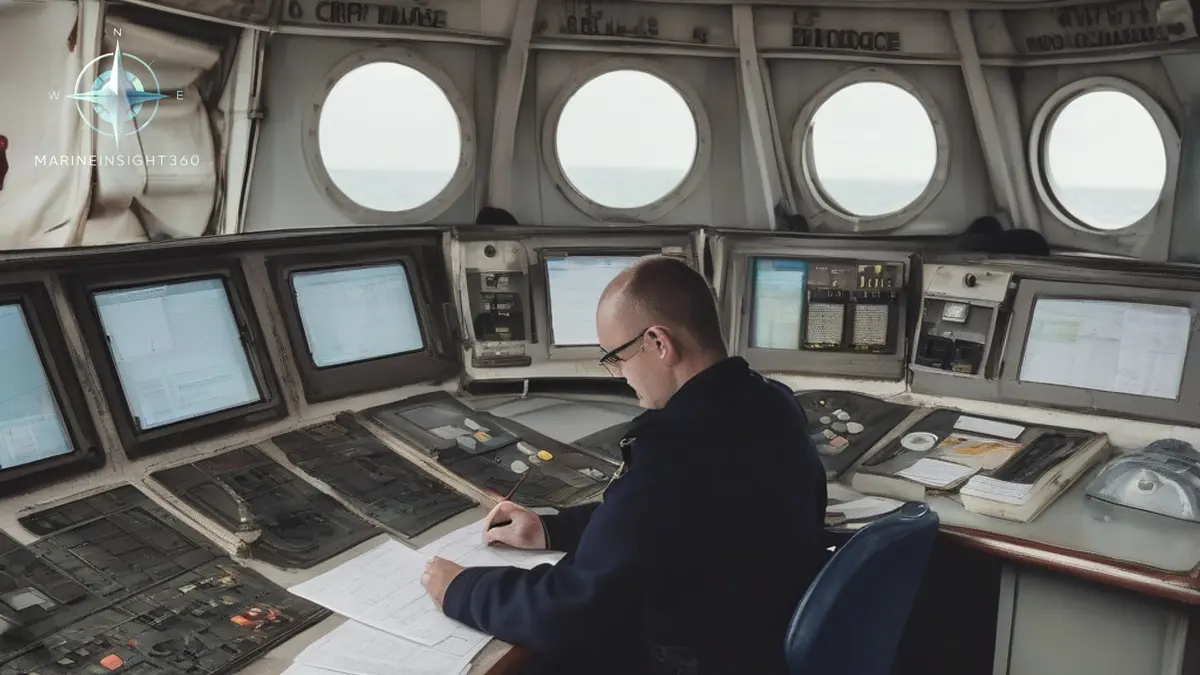
What is SMS in maritime? SMS means Safety Management System: the documented set of policies, procedures, responsibilities and records a shipping company uses to run its ships safely and prevent pollution. It is mandatory under the International Safety Management Code, which SOLAS chapter IX makes compulsory for most commercial vessels of 500 gross tonnage and above. A company demonstrates its SMS through a Document of Compliance. Each ship demonstrates hers through a Safety Management Certificate.
The ISM Code was adopted by the IMO in 1993 and made mandatory in stages, applying from 1 July 1998 to passenger ships, tankers, bulk carriers, gas carriers and high-speed cargo craft, and from 1 July 2002 to other cargo ships and mobile offshore drilling units of 500 GT and over.
What an SMS must actually contain
The ISM Code sets functional requirements rather than a template, so no two systems look identical. Every compliant SMS has to cover the same ground:
- A safety and environmental protection policy issued by the company.
- Instructions and procedures for safe operation of ships and protection of the environment, written against the flag state and international rules that apply.
- Defined levels of authority and lines of communication between shore staff and ship, and among ship's personnel.
- Procedures for reporting accidents, near misses and non-conformities with the Code.
- Procedures to prepare for and respond to emergency situations.
- Procedures for internal audits and management reviews.
The last one is the point most companies underrate. An SMS that is never audited internally becomes a set of procedures nobody follows, and the external auditor finds that out in the first hour.
The Designated Person Ashore
Every company must appoint a Designated Person Ashore, usually written as DPA, with direct access to the highest level of management. The DPA monitors the safety and pollution prevention aspects of each ship and ensures that adequate resources and shore support are applied.
The direct access requirement is the substance of the role. A DPA who has to route a safety concern through a commercial manager cannot escalate a resource problem that costs money, which is precisely the situation the Code was written to prevent. On board, the master should know who the DPA is, how to reach them outside office hours, and that doing so is not a career risk.
DOC and SMC: what the certificates mean
Document of Compliance. Issued to the company after verification that its shore-based system meets the Code. A DOC is specific to the ship types the company operates, so a company adding a chemical tanker to a bulk carrier fleet needs the DOC extended before that ship can trade. The DOC is valid for five years and requires annual verification.
Safety Management Certificate. Issued to each individual ship after verification that the company's system is actually implemented on board. It is also valid for five years, with at least one intermediate verification between the second and third anniversary dates.
A copy of the DOC must be carried on board, and port state control checks it against the ship type and the SMC on the first visit.
How audits find problems
Auditors work from evidence rather than from the manual. Three findings recur across fleets:
- Records that do not match reality. Drill entries logged for a date when the ship was in dry dock, or maintenance signed off with no spare parts consumed.
- Procedures nobody uses. A permit to work system that exists in the manual but has no completed permits for a month of enclosed space entry.
- Non-conformities closed without root cause. Corrective action recorded as crew briefed, with no change to the procedure that allowed the failure.
Findings are graded. An observation is a statement of fact needing attention. A non-conformity is an objective failure to meet a specified requirement. A major non-conformity is a serious threat to personnel, ship or environment, and it can result in withdrawal of the SMC or DOC, which stops the ship trading.
Making the system work on board
The difference between a working SMS and a shelf of binders comes down to a handful of habits.
- Familiarize joiners against a checklist that has real content, not signatures collected at the gangway.
- Run risk assessments before non-routine work and let the crew doing the job write them.
- Report near misses without blame, because a fleet reporting zero near misses is a fleet hiding them.
- Use management of change for anything the procedures did not anticipate: a new cargo, a modified crane, a substitute chemical.
- Feed defects and workarounds back to the DPA so the procedure gets amended rather than quietly ignored.
A safety management system is judged by whether it changes decisions on deck at 0300, not by how thick the manual is. The Shipboard Operations section of Marine Insight 360 covers audit preparation and non-conformity handling in more detail.
Sources and further reading
- International Safety Management (ISM) Code, Maritime and Port Authority of Singapore
- ISM Certification and Verification: DOC, Interim DOC, SMC and Interim SMC
- ISM Code Explained: Essential Elements Every Seafarer Must Know
What to read next
Recommended Reading

Safety Management System (SMS): The Rulebook Every Ship Runs On
What a safety management system is in shipping: the ISM Code framework of procedures, drills, audits and the DPA that turns safety from intention into system.
What Is the ISM Code? Safety Management on Ships Explained
The ISM Code is the IMO standard for safe ship management under SOLAS Chapter IX. What it requires, how DOC and SMC certification works, and where audits fail.
What Is the Global Maritime Distress Safety System (GMDSS)?
What Is the Global Maritime Distress Safety System (GMDSS)?: safety, training and compliance context for US, UK, Canada, Australia, Singapore and...