
What Was The Porthole Window Used For?
Porthole windows are small, circular windows on the sides of ships that let in natural light and fresh air and keep the vessel watertight when closed.
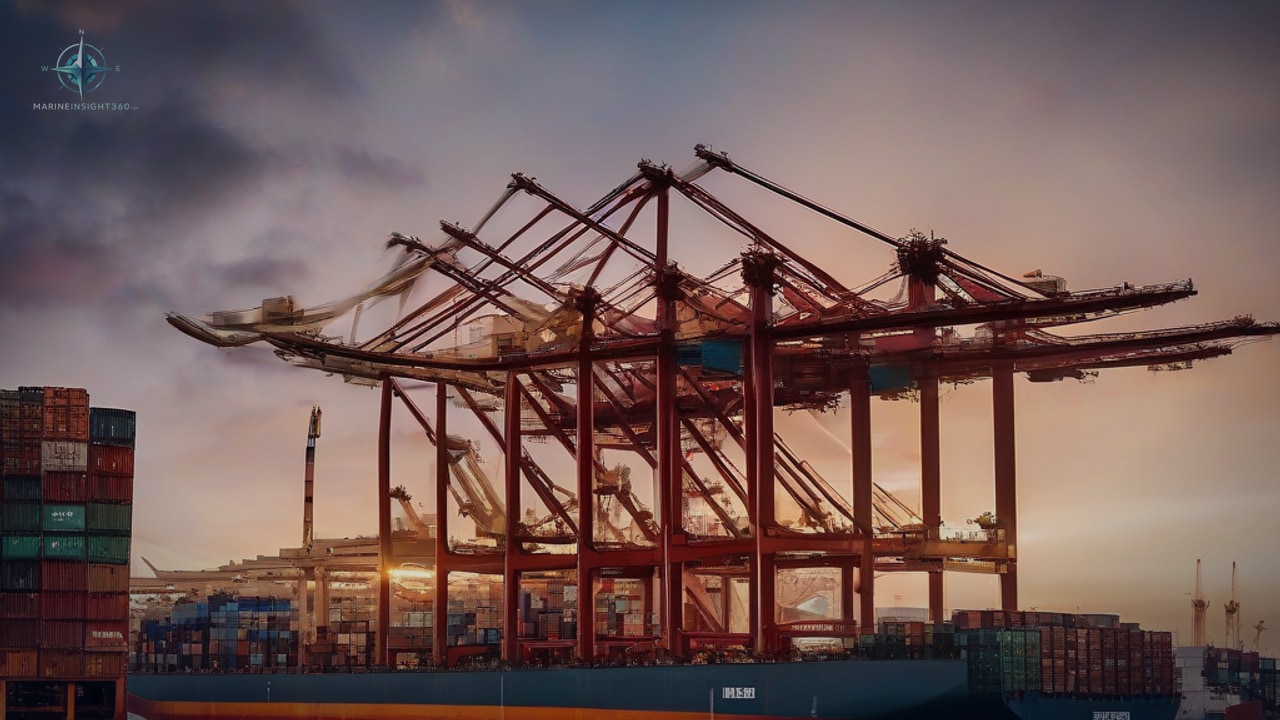
Porthole windows, also called ports or, in the regulations, sidescuttles, are the small round windows in a ship's side. They let daylight and, if they open, fresh air into cabins, crew quarters and compartments below deck, and they let the people inside see out.
Portholes have been part of ships for centuries and are still the image most people have of a ship's side at sea. When closed they are watertight, so they don't weaken the hull's ability to keep water out, which matters for buoyancy and seaworthiness. They are made of brass, bronze or stainless steel, and many have a hinged steel cover, the deadlight, that can be closed over them. Larger rectangular windows and viewports have replaced them in many places on modern ships, particularly in passenger accommodation, but portholes remain common.
Here are a Few Critical Purposes the Porthole Window is Used For
Portholes have always done three main jobs:
Lighting
Before electric lighting, the only light below deck came from candles and oil lamps, which were a fire risk. Portholes let in daylight, so people could move around and work without relying entirely on lamps. On modern ships they still save the crew from living in rooms lit only artificially.
Ventilation
An opening porthole lets fresh air into cabins and other enclosed spaces. Before mechanical ventilation, that was the main way to clear stale air, damp and smells from the accommodation.
Visibility
Portholes let people inside see the sea, other ships and the coast, and check the weather without going on deck.
Historical Importance
The round porthole is one of the most recognisable features of a ship, and it has kept its place in maritime design even as larger windows have become common.
Understanding Porthole Window
Portholes are usually set in the ship's side plating, although they are also found at the bow, the stern and in deckhouses. Their design reflects practical needs, appearance and tradition all at once.
1. Historical Importance
Portholes were first fitted for practical reasons on sailing ships, which needed openings in the hull to bring light and air below deck. Large square gunports on warships were a related idea, opened to run guns out and closed against the sea. Over time the small round port became a symbol of life at sea in its own right.
2. Functionality
The main job of a porthole is still to bring light, and sometimes air, into the spaces where people spend most of their time on board, such as cabins and mess rooms, which makes life on board more comfortable.
3. Ventilation and Air Circulation
Good ventilation keeps the air on board fresh and stops humidity and smells from building up. Most modern ships rely on mechanical ventilation and air conditioning, and many have fixed, non-opening ports, but where ports do open they still help.
4. Visibility and Observation
A view out matters more than it might seem to people who live for months in a steel hull.
5. Structural Integrity
Every opening in the hull is a potential leak, so portholes must be watertight when closed. In heavy weather the sea hits the ship's side hard, and a failed porthole low down can let in enough water to threaten the ship's stability.
The International Convention on Load Lines sets rules for sidescuttles below the freeboard deck: they must have hinged deadlights fitted on the inside, and none may be placed with its lower edge too close to the waterline (below a line 500 mm, or 2.5% of the ship's breadth if that is greater, above the summer load line).
6. Aesthetic Appeal
Rows of portholes give a ship's hull its character. They come in many sizes and styles, from plain round openings to the polished brass fittings found on yachts and older ships.
7. Materials and Design
Portholes were traditionally made of brass, bronze or iron. Brass and bronze resist corrosion in seawater, which is why they were favoured. Modern ones may use stainless steel or aluminium alloys. Most have a hinged deadlight that can be closed over the glass in heavy weather or to black out the light.
Construction of Portholes
A porthole is built from a few key components, designed to keep it strong, durable and watertight. Designs vary with the ship and the builder, but most have the following parts:
1. Frame
The frame is fixed to the ship's structure and holds everything else. It was traditionally brass, bronze or iron, and is now often stainless steel or aluminium alloy. It is usually circular, matching the opening cut in the plating.
2. Glass or Transparent Material
The glass is thick and toughened to withstand the pressure of seas breaking against the ship's side. Some modern vessels, particularly small craft, use acrylic or polycarbonate instead, because they are lighter and don't shatter.
3. Deadlight or Hinged Cover
The deadlight is a hinged metal cover, usually on the inside, that can be clamped over the glass. It keeps the porthole watertight if the glass breaks, protects the glass in heavy weather, and blacks out the light when needed. Deadlights have dogs or latches that hold them firmly shut.
4. Gaskets and Seals
Rubber gaskets seal the glass in its frame and seal the deadlight against the frame when it is closed, compressing to keep the water out.
5. Fasteners and Equipment
The frame is bolted or welded to the hull or deckhouse plating. Hinges, dogs and handles let the crew open and close the glass and the deadlight and lock them securely in any weather.
6. Installation
Portholes are fitted during construction or when a ship is refitted. The frame is mounted in its opening, aligned and sealed against water, then the glass is fitted, followed by the deadlight and its fittings.
Recommended Reading
Diwali at Sea: Far from Home, Together as One Crew
What Diwali looks like on a merchant ship: a crew of different faiths and nationalities celebrating together, thousands of miles from home.
Ramadan at Sea: Fasting, Prayer and Watchkeeping for Muslim Seafarers
A practical guide to Ramadan on board: fasting and watchkeeping, rest hours, suhoor and iftar timings across time zones, galley, prayer and Eid.
Ship Earthing Systems: Insulated Networks, Bonding and Earth-Fault Monitoring
Why ships use insulated electrical systems, how earth faults are found, high-voltage resistance earthing, bonding, tanker rules and shore power.