
Who is an Able Seaman on a Ship?
Navigating a ship in unpredictable seas is not easy. In contrast to other means of transportation, sea travel always involves chaotic climatic conditions.
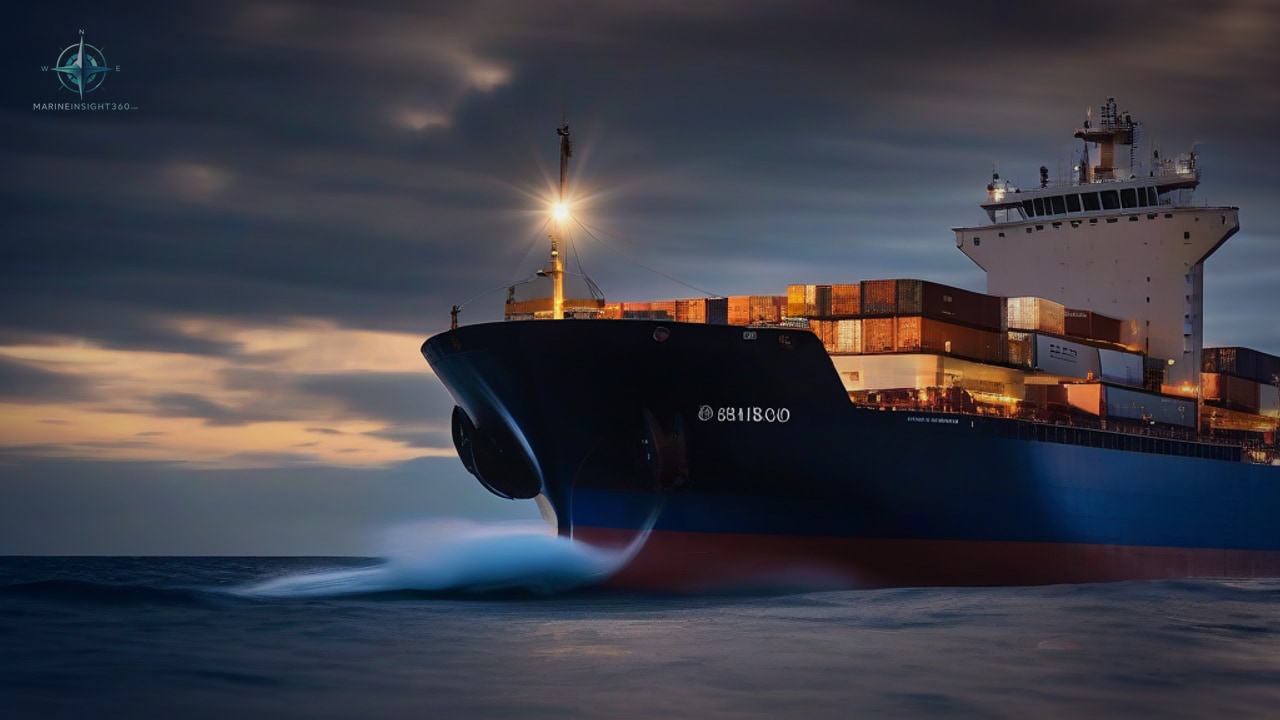
Taking a ship safely across unpredictable seas is hard work. Weather at sea can turn quickly, and a voyage reaches port because the crew work together as a team. Like any industry, the shipping sector has a clear hierarchy of jobs so that work on board runs smoothly, whether on a cruise ship or a cargo ship. The chain of command, from the master down to the stewards, keeps order on board. In the merchant marine, seafarers work in three main departments:
deck, engine and catering. The deck department navigates the ship, handles the cargo and looks after the hull and deck equipment. Training matters in every rank, but so do the experience and practical knowledge a seafarer builds up over years at sea. The deck department is headed by the master, with the deck officers and ratings under him. Deck officers usually include the chief officer, second officer and third officer, along with deck cadets. The deck ratings include the bosun, the able seaman (AB), the ordinary seaman (OS) and trainee OS.
Who is an Able Seaman?
An able seaman, also called an able-bodied seaman or AB, is a rating in the deck department of the merchant navy. Traditionally, an AB was a seaman with at least two years' experience at sea. To move up from ordinary seaman to AB, a seafarer needs the required sea time and must pass a qualifying examination. The title goes back to the 17th century.
It was originally used to set different rates of pay for seamen. The Royal Navy introduced the rating in 1653 as part of a new pay structure after its defeat at the Battle of Dungeness in late 1652. Able seamen were paid about 25% more than ordinary seamen.
Deckhand Duties
An AB earns more than an ordinary seaman and is expected to do more. ABs must know what to do in emergencies and heavy weather, keep a navigational watch as lookout and helmsman, and steer the ship by hand when required. Depending on the ship's needs, an AB may be a watchkeeper, a day worker doing maintenance, or a mix of both. ABs also help with cargo work and with mooring and unmooring.
What are the basic requirements for a competent seafarer?
The minimum requirements to qualify as a deckhand depend on the type of vessel and the country's rules. Two years at sea was once the standard. Today the requirements vary with the type of ship and the waters she sails in. In the United States, the Coast Guard issues several grades of AB endorsement:
Seafarers with at least six months of sea service on deck can qualify for AB-Sail or AB-Fishing Industry.
Six months also qualifies for AB-Offshore Supply Vessels (OSV).
Part of the required sea service can be replaced by approved training, for example on a training ship, and graduates of approved school ships can qualify without further service.
Duties for These Skilled Seafarers
An AB's work includes maintenance and repair, launching and recovering lifeboats, and handling and stowing cargo. AB-Special requires at least 12 months on deck on ocean-going vessels or vessels on the navigable waters of the United States, including the Great Lakes. The AB-Mobile Offshore Unit (MOU) endorsement also requires around a year of service, with time on offshore units (rules vary by country).
An AB in these grades keeps a lookout, often from the bow, and steers as ordered by the master or the officer of the watch. AB-Limited requires 18 months on deck on vessels of 100 gross register tons or more operating beyond rivers and small inland lakes. AB-Limited holders also help lead other crew members in maintenance work and with communications on deck.
Seafarers Who Want to Become an Abled Bodied Seaman
An AB who can serve on any ship in any waters needs the highest grade, AB-Unlimited, which requires three years (about 1,080 days) of sea service on deck on ocean-going or Great Lakes vessels. AB-Unlimited holders earn the most among deck ratings and are trusted with jobs such as keeping a check on the ship's heading while she is on autopilot. The type of ship, her tonnage and the waters she trades in all count when sea service is assessed.
Candidates must also show that they can do the job before they are endorsed as ABs.
Deck Seafarer Qualifications
Sea time alone does not make an AB. Candidates generally have to be at least 18 years old and pass the examinations set under their country's Merchant Marine rules. Internationally, the STCW Convention sets the standard for the Able Seafarer Deck certificate. Every candidate must also have completed the STCW basic safety training: personal survival techniques, fire prevention and firefighting, elementary first aid, and personal safety and social responsibilities. Working English is tested too, because ABs keep watch and must understand and pass on orders and reports in an emergency.
The practical part of the exam tests seamanship. Candidates must show they can handle survival craft, including launching a lifeboat and taking charge of it, and take part in abandon ship drills. They must also know nautical terms and the basic skills of the trade, such as the main knots, bends, hitches and splices. It is a good career for motivated people.
Experience as an AB is the usual stepping stone to bosun, and for those who go on to study, to officer rank.
Recommended Reading
What is Seaman’s Service Book?
A seaman's service book is the passport-sized official document, also called a discharge book, that records a seafarer's personal details and every ship, rank and voyage they have served on.

Diwali at Sea: Far from Home, Together as One Crew
What Diwali looks like on a merchant ship: a crew of different faiths and nationalities celebrating together, thousands of miles from home.
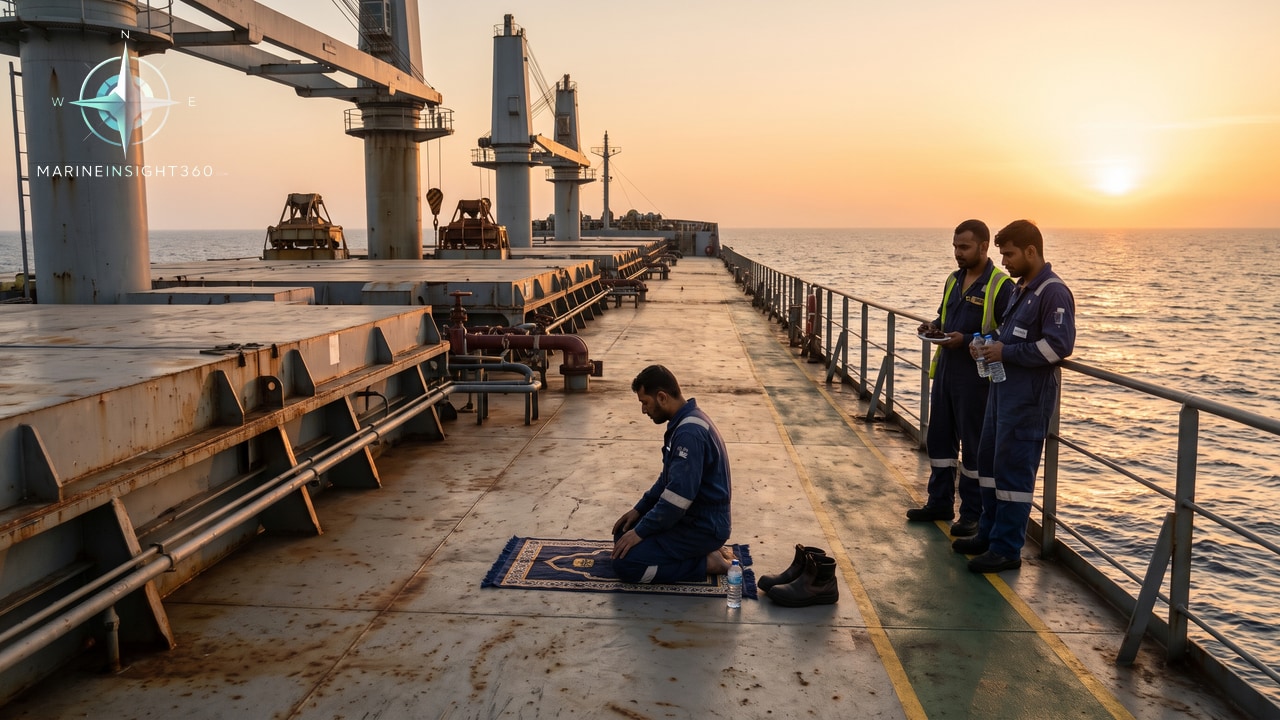
Ramadan at Sea: Fasting, Prayer and Watchkeeping for Muslim Seafarers
A practical guide to Ramadan on board: fasting and watchkeeping, rest hours, suhoor and iftar timings across time zones, galley, prayer and Eid.