Tanker Market Shifts as Petrobras Gains
Petrobras rises as Unipec's tanker dominance weakens
Market Shifts and New Players
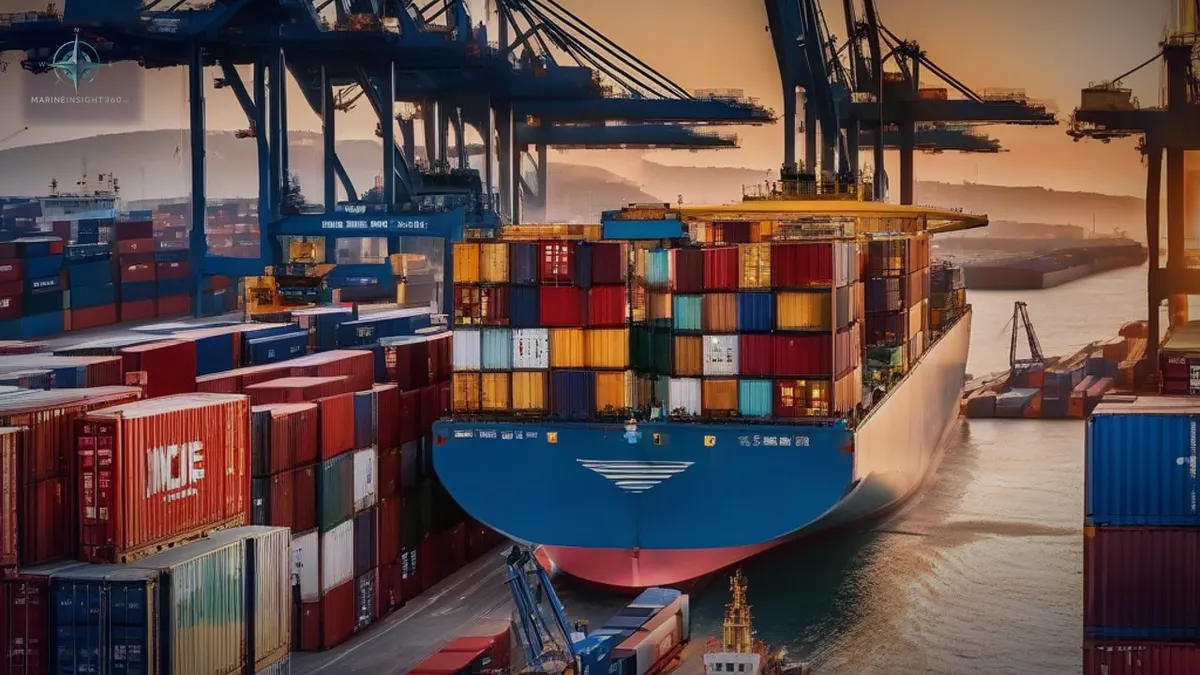
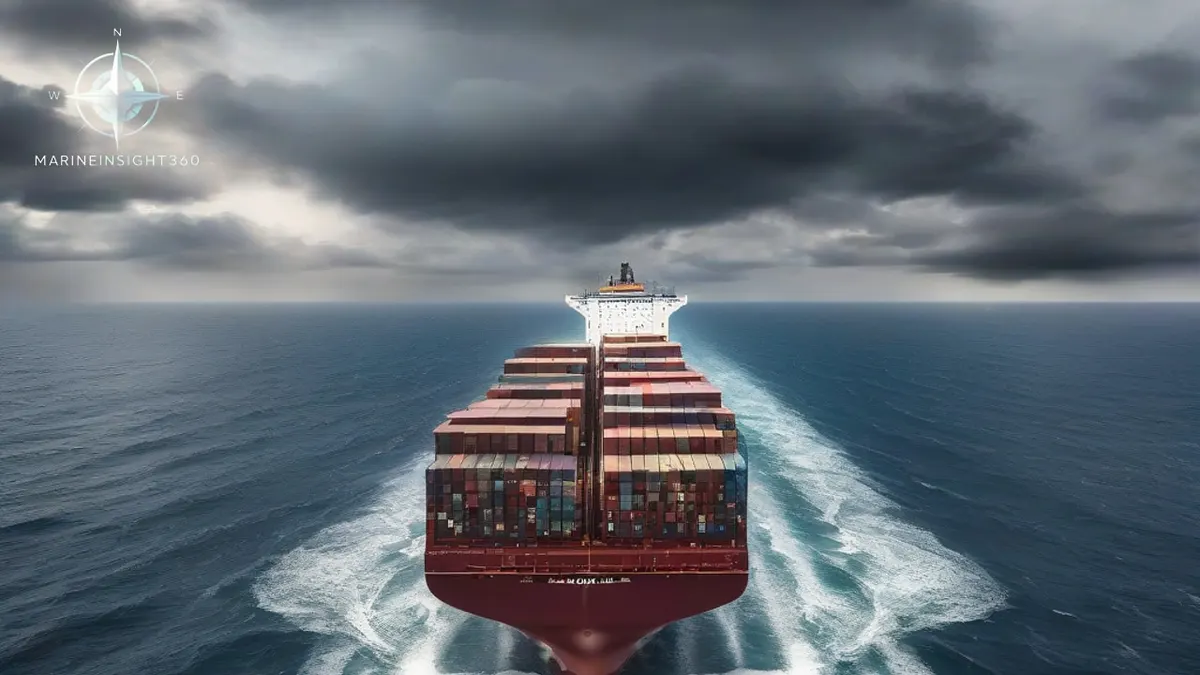
The crude tanker market has seen significant changes in the first half of 2026, with Petrobras emerging as one of the biggest gainers, according to Splash247. This shift is largely due to disruption in the Middle East, which has led to a change in tanker demand towards Atlantic Basin crude flows.
According to Poten Partners' Tanker Midterms report, Unipec retained its position as the largest reported dirty tanker charterer, but its dominance is weakening, as reported by Splash247.
Impact on Trade Patterns
The latest developments in the Hormuz Strait could increase ton-mile demand in the tanker market, as stated by Hellenic Shipping News. Shipbroker Gibson reported that over 100 days of the Strait of Hormuz closure, the US proved to be the single most important source of replacement barrels, indicating a shift in global trade patterns.
This change in trade patterns has affected the tanker market, with the TC1 75kt MEG/Japan index dipping to WS345 before returning to its previous WS360 level, as reported by Hellenic Shipping News.
Tanker Market Trends and Operator Implications
The VLCC tanker market is on the rise, with clean LR2 tanker rates showing a modest decrease, according to Hellenic Shipping News. A voyage west dropped in value, with the TC20 90kt MEG/UK-Continent index going from $8.15 million to $7.94 million.
The changes in the tanker market have significant implications for operators, who must adapt to shifting trade patterns and demand, as stated by Hellenic Shipping News. The rise of Petrobras as a major player in the crude tanker market may lead to increased competition for Unipec and other charterers, as reported by Splash247.
Future Outlook and Key Factors to Watch
The tanker market is likely to continue to evolve in response to geopolitical developments and changes in global trade patterns, according to Hellenic Shipping News. The ongoing closure of the Strait of Hormuz and its impact on tanker demand will be a key factor to watch, along with the rise of Petrobras and other new players in the market, which may lead to increased competition and changes in market dynamics, as reported by Splash247.
Why this story matters
Tanker Market Shifts as Petrobras Gains matters because shipping news rarely stays inside one lane. A single development can affect vessel operators, charterers, insurers, port teams, seafarers, equipment suppliers and regulators at the same time.
For readers in the United States, United Kingdom, Europe, Canada, Australia and Singapore, the value is in the practical signal behind the headline: what the development changes, what still needs confirmation and how it may affect decisions across safety, compliance, trade or fleet planning.
Operational context
Security and route-risk stories can influence voyage planning, war-risk clauses, crew briefings and insurer expectations. The operational question is not only what happened, but which teams need to respond. Ship managers may need to review risk assessments, commercial teams may revisit costs or schedules, and crews may need clearer instructions before the next voyage or port call.
This is also why source attribution matters. When a story involves prices, incidents, regulations, vessel orders, security risk or public policy, readers should compare the report with official notices, company updates and port or flag-state guidance before acting.
What to watch next
- Whether official agencies, port authorities, companies or class societies publish follow-up guidance.
- Whether the issue changes vessel schedules, insurance terms, chartering decisions, recruitment demand or compliance checks.
- Whether the story remains local, or becomes relevant to wider routes, fleets and maritime markets.
- Whether new evidence confirms the early reporting or narrows the practical impact for readers.
Reader takeaway
The useful way to read this shipping update is to separate confirmed facts from operational implications. The headline gives the event; the follow-up work is deciding who needs to know, which record should be checked and whether the development affects safety, cost, schedule, compliance or career planning.
Marine Insight 360 will continue to treat stories like this as part of the wider maritime picture, where readers need clear context rather than isolated headlines.