US probes suspected Iranian cyberattacks on up to 50 tankers and other ships
US authorities are investigating whether Iran was behind cyberattacks on as many as 50 ships carrying oil, LPG and chemicals, the Wall Street Journal reported on 23 November.
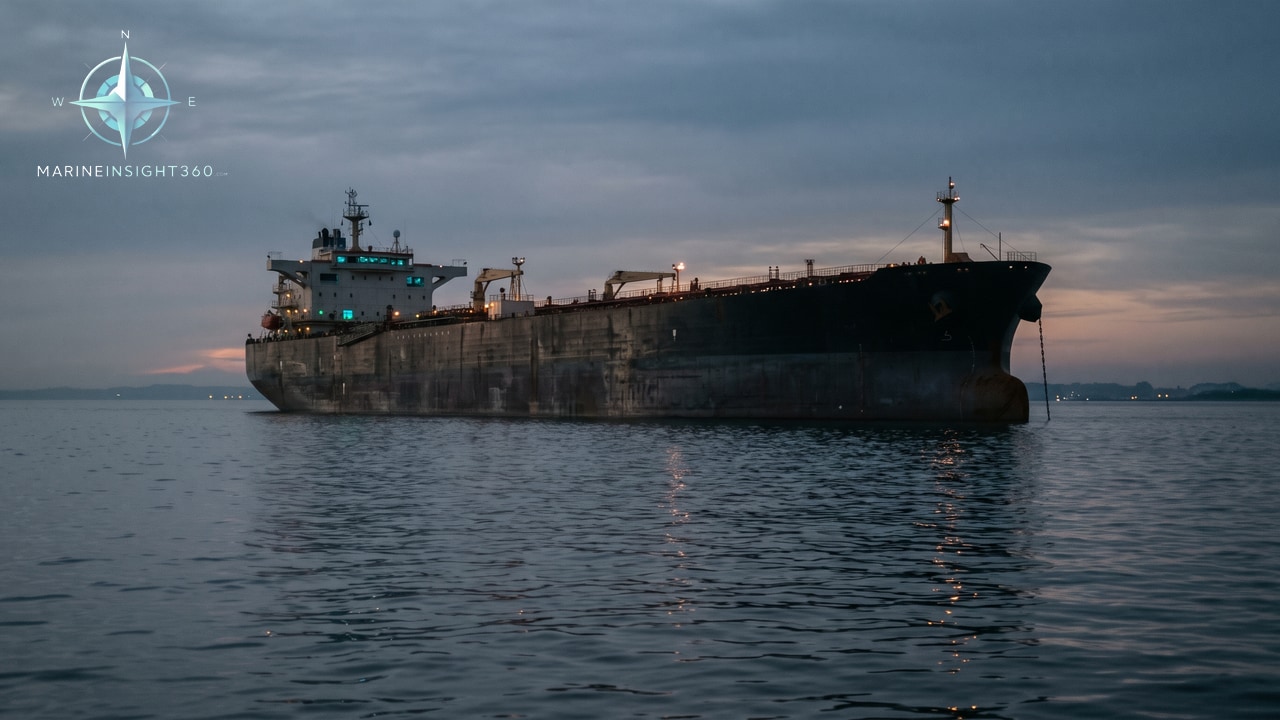
US authorities are investigating whether Iran carried out cyberattacks on as many as 50 commercial ships carrying oil, liquefied petroleum gas, chemicals and other hazardous cargo, the Wall Street Journal reported on Monday, 23 November. Some of the ships received bomb threats warning that they could be blown up, according to the report, which Reuters said it could not immediately verify.
The Journal cited US officials and people familiar with the investigation. Iran is the main suspect, and investigators are also considering Russia as a possible culprit.
Routers, threats and ransom demands
According to the Journal's account as summarised by Gulf News, the attackers exploited vulnerabilities in Fortinet routers, networking equipment used by shipping companies and maritime facilities. The affected ships were operating near the US, Europe and Asia, and some may have been compromised without their crews knowing.
Besides the bomb threats, hackers reportedly demanded ransom payments. Some messages accused ships of supporting US and Israeli operations, and Farsi-language warnings told operators not to carry American products. A European shipowner said two of its officers received threatening messages on their phones while delivering US natural gas to Mediterranean ports. The messages were publicised on Iranian and Russian websites and Telegram channels, though their origin has not been verified.
The US Coast Guard has sent cyber protection teams to at least four ships approaching US ports in recent weeks, including the VL Prosperity and the Kohaku, Gulf News reported.
A Trump administration official said there was "no evidence of Iranian involvement," Haaretz reported, and described four of the attacks as minor. Shipping analyst Lars Jensen told the Journal that remote hacking is unlikely to cause an explosion or steer a ship into a bridge, because vessels keep manual controls and overrides. He put the main risks as disruption, delays, ransom demands and supply chain costs.
Earlier boardings in the Gulf of Mexico
The probe follows two boardings in August. Coast Guard and FBI teams went aboard two foreign-flagged vessels in the Gulf of Mexico on 21 and 24 August after indications that their networks had been compromised. One was the VL Prosperity, a Liberian-flagged tanker of 319,547 dwt managed by HMM Ocean Services and bound for Galveston, The Maritime Executive reported in September. The Coast Guard and FBI said at the time that they had no reports of operational disruption, vessel instability, danger to crews or environmental damage, and neither agency named Iran. Tasnim, an Iranian outlet, claimed the tanker lost communications for 30 hours.
In September the Coast Guard Cyber Command and the FBI warned that nation-state actors were exploiting flaws in Fortinet FortiGate devices used by shipping firms.
The cyber investigation comes as physical attacks around the Strait of Hormuz continue. UKMTO reported six attacks on tankers in the week to 18 November, four in the strait and two in the Persian Gulf, with traffic about 65% below pre-war levels at 263 transits, Iran International reported. UKMTO has counted 106 incidents in the strait since the conflict began on 28 February.
Sources: Reuters via gCaptain, Gulf News, Haaretz, The Maritime Executive, Iran International.