
10 Types of Maritime Crimes
10 Types of Maritime Crimes: ports, trade and shipping-market context for US, UK, Canada, Australia, Singapore and European maritime readers.
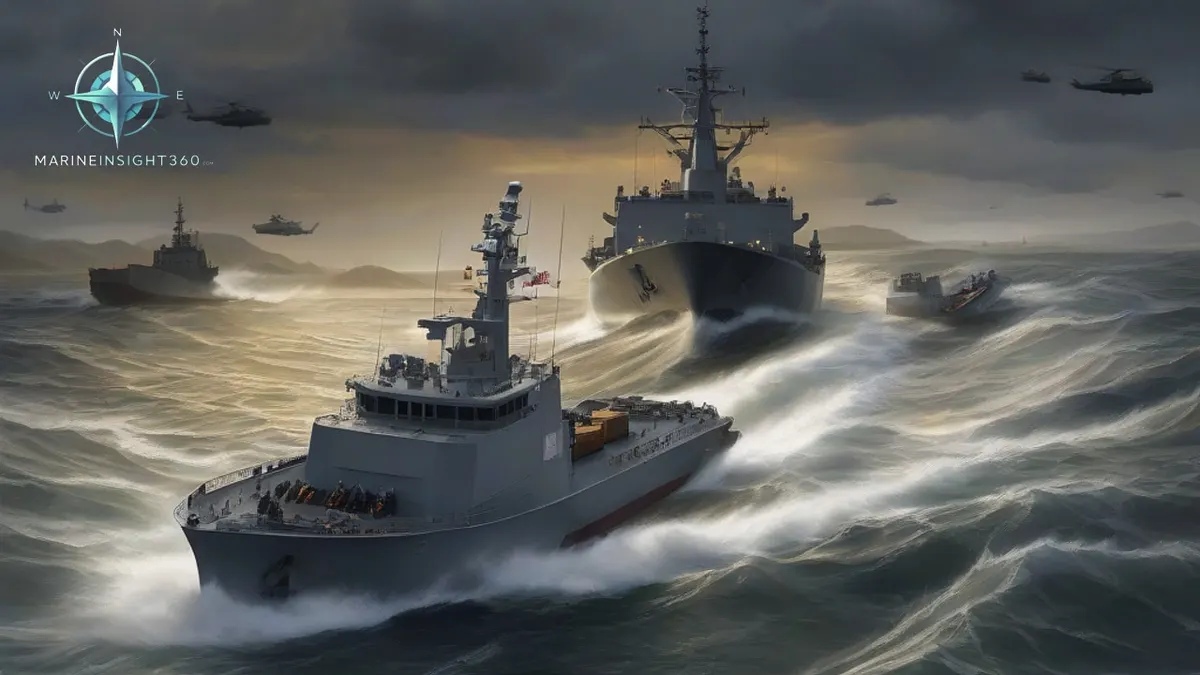
The world’s oceans carry more than 80% of global trade, making maritime routes vital to the global economy. However, these waters are not free from crime. From piracy and smuggling to cyberattacks and environmental violations, maritime crimes continue to threaten ships, crews, cargo, and coastal nations.
In this blog, we explore 10 major types of maritime crimes that impact the shipping industry and global security.
1. Piracy
Piracy is one of the most well-known maritime crimes. It involves armed attacks on ships at sea, often for robbery, ransom, or cargo theft.
Pirates typically target:
- Merchant vessels
- Oil tankers
- Fishing boats
High-risk areas have historically included parts of the Gulf of Guinea, the Indian Ocean, and Southeast Asia.
2. Armed Robbery at Sea
Unlike piracy, which occurs in international waters, armed robbery usually takes place within a country’s territorial waters.
Criminals board vessels to steal:
- Cash
- Equipment
- Crew valuables
- Cargo
These attacks often happen when ships are anchored near ports.
3. Drug Trafficking
Maritime routes are frequently used to transport illegal drugs across borders. Smugglers hide narcotics in cargo containers, fuel tanks, or even attach packages to ship hulls.
The Caribbean, Pacific, and Mediterranean routes are commonly associated with maritime drug trafficking.
4. Human Trafficking and Smuggling
Criminal networks exploit maritime routes to transport migrants illegally. This includes:
- Smuggling people in unsafe vessels
- Forcing individuals into labor or exploitation
Such crimes often endanger lives at sea.
5. Illegal Fishing (IUU Fishing)
Illegal, unreported, and unregulated (IUU) fishing is a major maritime crime. It:
- Depletes fish stocks
- Harms marine ecosystems
- Undermines coastal economies
IUU fishing causes billions of dollars in losses globally each year.
6. Cargo Theft
Cargo theft can occur at sea, in port, or during transit. Criminals may manipulate documentation, hijack shipments, or steal high-value goods such as electronics, fuel, or luxury items.
7. Maritime Terrorism
Terrorist groups may target ships, ports, or offshore installations to cause economic damage and fear. Attacks may involve explosives, hijacking, or sabotage of critical infrastructure.
8. Cybercrime in Shipping
As ships become more digitalized, cyber threats have increased. Maritime cybercrime includes:
- Hacking navigation systems
- Ransomware attacks
- Data theft
- GPS spoofing
Cyberattacks can disrupt operations and compromise vessel safety.
9. Environmental Crimes
Illegal discharge of oil, dumping of hazardous waste, and violation of pollution regulations are serious maritime offenses. These crimes damage marine ecosystems and often result in heavy fines.
10. Stowaways and Unauthorized Boarding
Stowaways may secretly board vessels without authorization, often attempting to migrate illegally. This creates safety, legal, and security challenges for shipowners and operators.
Piracy and armed robbery are different offences in law
The distinction the list draws is a legal one with practical consequences. UNCLOS Article 101 defines piracy as an act committed for private ends on the high seas, or in a place outside the jurisdiction of any state. Inside a coastal state's territorial sea the same act is armed robbery against a ship, and it is that state's police matter.
The difference decides who may act. On the high seas any state may seize a pirate ship and arrest those on board, which is the legal basis navies rely on. Inside territorial waters a foreign warship generally cannot, and the response depends on the coastal state. Attacks at anchorage therefore sit in a different reporting stream from attacks offshore, which is why the IMB Piracy Reporting Centre and the ReCAAP information centre count them separately.
The pollution offence that is actually prosecuted
Illegal discharge at sea is hard to prove because nobody watches it happen. What is provable is the record. Under MARPOL Annex I every ship keeps an oil record book, and prosecutions in the United States are typically built on false entries in that book presented to the US Coast Guard in port rather than on the discharge itself.
The book is read against tank sounding records and the separator and 15 ppm alarm logs, and a mismatch is the deficiency an inspector writes up. For an engineer the exposure is personal, because signing an entry known to be wrong is the act that carries the charge.
Why Maritime Crimes Matter
Maritime crimes affect:
- Global trade
- National security
- Environmental sustainability
- Crew safety
International organizations and coast guards work continuously to combat these threats through patrols, surveillance, and stricter regulations.
Final Thoughts
Maritime crime is diverse and constantly evolving. As shipping routes expand and technology advances, criminals adapt their methods. Ship operators, governments, and international bodies must adopt stronger security measures, enhanced monitoring systems, and global cooperation to keep the seas safe.
Recommended Reading
Top 10 Maritime Crimes in the World
International shipping and maritime travel rely on the safety of the high seas and a network of ports and terminals. However, maritime crime has become a…
Iran retaliates with missiles and drones, defying Trump’s warning
Learn iran with practical maritime context, safety checks, operational guidance and related resources for global shipping readers.
Hapag-Lloyd Invests in APM Terminals Rotterdam to Drive Growth
Hapag‑Lloyd’s new stake in APM Terminals Rotterdam aims to expand capacity, improve hinterland links and enhance crew efficiency in Europe’s busiest port.