
Interesting Facts About Marine Biome
The marine biome is considered the largest environment and one of the most important for biodiversity. In this blog, you will find an introduction to the…
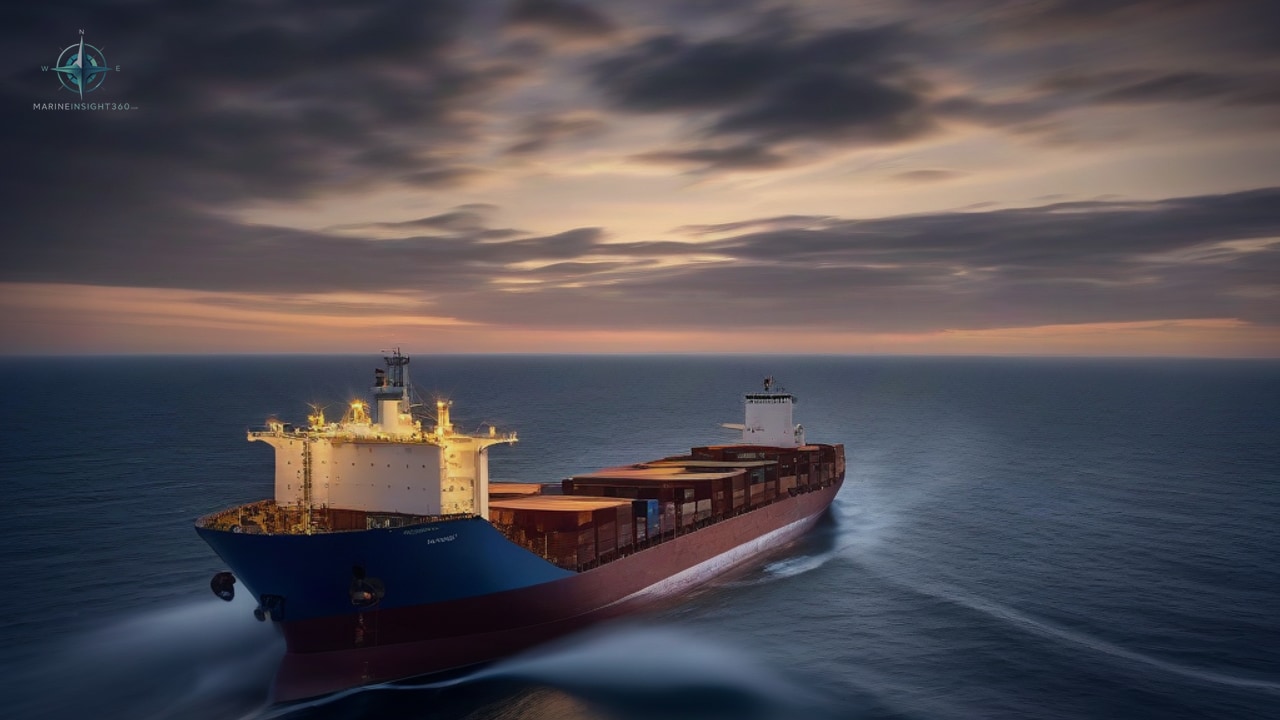
The marine biome is the largest environment on Earth and one of the most important for biodiversity. This article introduces the marine environment and its main ecosystems.
What is the marine biome like?
The marine environment is the largest in the world and covers about 71 per cent of the Earth's surface, nearly three-quarters. Its main ecosystems are the open ocean, coral reefs and estuaries. The oceans and reefs are salt water, while estuaries are brackish, a mix of salt and fresh water. The marine environment has five major oceans: the Atlantic, Pacific, Indian, Arctic and Southern Oceans. It also includes many seas and bays.
The marine environment supports a huge range of organisms, and healthy oceans are essential for life on Earth. Marine algae and phytoplankton produce much of the world's oxygen and absorb a large share of the carbon dioxide in the atmosphere.
The average temperature of the ocean as a whole is about 39 degrees Fahrenheit (4 degrees Celsius), because most of its water is deep and cold, but it is colder or warmer depending on location and depth. The coldest ocean is the Arctic, where surface water can stay close to 28°F (about -2°C), the freezing point of seawater.
Ocean Zones by Depth
The ocean is divided into three vertical zones based on how much light reaches them: the sunlight (euphotic) zone, the twilight (disphotic) zone and the midnight (aphotic) zone.
The sunlight zone is where light penetrates and most photosynthesis takes place. It reaches down to about 656 feet (200 m).
The middle layer is the twilight or mesopelagic zone, which extends to about 3,300 feet (1,000 m). Little light reaches it, so it looks dark blue to black, and there is not enough light for photosynthesis.
Below 1,000 m lies the midnight zone, where no sunlight reaches at all. It is very cold and life is sparse, though many animals live there, some of them producing their own light. This dark zone makes up about 90 per cent of the ocean.
The deepest part of the ocean is the Challenger Deep in the Mariana Trench, about 36,000 feet (nearly 11,000 m) deep. That is deeper than Mount Everest is tall.
The marine environment has three main ecosystems: oceans, coral reefs and estuaries. Each contains many habitats that support different marine life and have very different characteristics.
Marine Coral Reef Ecosystems
Coral reefs are very diverse. Most grow in warm, shallow tropical and subtropical waters, though cold-water corals also build reefs in deep, cold water as far north as Norway.
Coral polyps are the animals mainly responsible for building reefs. Thousands of coral species have been described. Some form large, colourful colonies, while others are small and solitary.
Reefs that grow close to the shore of a continent or island are called fringing reefs, and they are the most common type of coral reef.
Corals grow slowly, so a reef takes a long time to form. The fastest-growing corals add about six inches (15 centimetres) a year, but most grow less than an inch a year.
The largest coral reef system is the Great Barrier Reef, off the east coast of Australia. The present living reef began growing about 20,000 years ago on an older platform, and it now stretches about 1,400 miles (2,300 km). It is so big it can be seen from space.
Great Barrier Reef
Australia's Great Barrier Reef is the largest coral reef system in the world. Coral reefs cover less than 1% of the ocean floor, yet an estimated 25% of marine species depend on them for food and shelter at some point in their lives. Many species also use reefs as places to raise their young.
Marine Ecosystems
The open ocean is the largest ecosystem in the marine environment. It is often divided into four zones: intertidal, pelagic, benthic and abyssal.
The intertidal zone is where the ocean meets the land. It is covered and uncovered as the tides come in and go out, so its appearance changes with the tide and from place to place.
In some areas the intertidal zone is rocky. At its upper edge the rocks are often exposed, and only a few algae and molluscs survive there. Lower down, where the rocks are covered more of the time, life becomes more diverse and abundant, including algae, snails, crabs, starfish and small fish.
The lowest part of the intertidal zone, exposed only at the lowest tides, is home to many kinds of algae, invertebrates and small fish. Sandy shores are less diverse than rocky shores. Waves keep the sand and mud moving, which makes it hard for plants and algae to grow. Sandy shores are mainly home to worms, clams, crabs and other crustaceans, and shorebirds.
The pelagic zone is the open water away from the shore. It is home to many species of fish and to mammals such as whales and dolphins.
It is cooler than the intertidal zone, and its temperature varies with depth because of thermal layering and the mixing of warm and cold currents. Most of its plant life is floating algae and phytoplankton.
The benthic zone is the seafloor and the water just above it. The bottom is made up of sand, silt and the remains of dead organisms. The deeper it goes towards the abyssal zone, the colder the water becomes.
Nutrients from dead matter settle on the bottom, so the benthic zone supports a wide range of life, including bacteria, fungi, starfish, sea worms, anemones and fish. In shallow areas, where light reaches the seabed, seaweed is the main plant life.
The abyssal zone is the deep ocean floor. No light reaches it, so the water is very cold and the pressure is enormous. The water there is fairly rich in oxygen but there is very little food.
Hydrothermal vents are found on the deep seafloor, mostly along mid-ocean ridges. They release hydrogen sulfide and other minerals that feed chemosynthetic bacteria, which in turn provide food for invertebrates and fish.
How do estuarine ecosystems form?
Estuaries form where salt water from the ocean mixes with fresh water from rivers and streams. Depending on their shape and size, they are also called bays, lagoons, harbours, inlets or sounds, and many are surrounded by salt marshes, mangroves or other wetlands.
Estuaries are tidal, so their water changes as fresh and salt water mix and the tide rises and falls. The plants and animals that live there have to cope with physical changes, such as the rise and fall of the tide, and changes in water chemistry, such as salinity.
Even so, estuaries are among the most productive ecosystems on Earth. They are home to fish, shellfish, crustaceans, marine worms, seaweed, algae, plankton and mangroves.
Many animals rely on estuaries as nesting and breeding grounds. Several shark species use estuaries as nursery areas, where their young find food and shelter until they are ready for the open ocean.
The marine biome includes a wide variety of habitats, so it is home to a wide variety of plants and animals.
The marine food chain begins with phytoplankton, tiny organisms such as single-celled algae that make their own food through photosynthesis.
Zooplankton, shrimp and other small animals eat the phytoplankton. Next come larger animals, including filter feeders that stay in one place, such as corals and many molluscs.
Above them are more mobile animals such as crabs, squid, jellyfish, eels and fish. At the top of the marine food chain are predators such as killer whales and great white sharks.
Most marine life lives in the top 200 metres. Less light reaches greater depths, and the number of organisms falls quickly. Some animals, including shellfish and marine worms, live much deeper.
More than 250,000 marine species have been described, according to the World Register of Marine Species. Most of the ocean is still unexplored, so the true number is likely to be far higher, possibly in the millions.
Plastic pollution on beaches
Climate change and pollution are two of the biggest threats to the marine environment. Climate change is altering marine habitats through rising temperatures and ocean acidification.
Rising temperatures affect species in several ways, shifting where they live and where their prey or food plants are found. Temperature changes can also harm reproduction and growth. Some species may disappear from whole areas. Corals, for example, bleach when the water stays too warm for too long, and many die as a result.
Pollution also harms marine ecosystems. An estimated 8 million tonnes of plastic enter the ocean every year, and plastic makes up about 80% of all marine debris. Animals that swallow plastic or become entangled in it can be badly injured or killed.
Plastic pollution affects people as well as marine life. Microplastics, too small to see with the naked eye, have been found in tap water, beer, salt and seawater samples from all over the world.
Some chemicals used to make plastics interfere with hormones and other processes in humans and wildlife, and some are known or suspected to cause cancer.
Other threats to the marine environment include overfishing, pollution from farm and industrial wastewater, and habitat destruction.
Many people rely on the ocean for food, income and recreation. Conservation and management plans need to tackle these problems so that fishing, shipping and other uses of the sea can continue without destroying it.
Recommended Reading
Ocean Biome vs. Marine Biome: Major Differences
When discussing the vast expanse of water that covers most of our planet, you might have come across the terms " ocean biome " and " marine biome ." While…
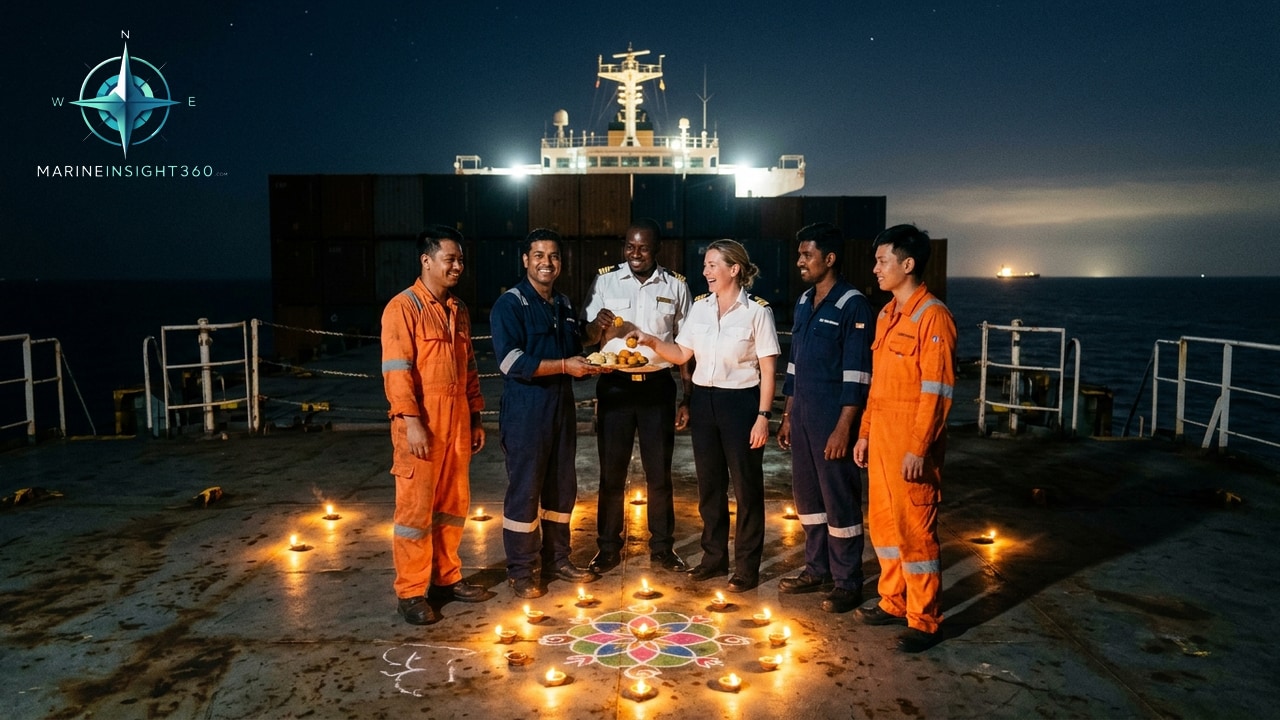
Diwali at Sea: Far from Home, Together as One Crew
What Diwali looks like on a merchant ship: a crew of different faiths and nationalities celebrating together, thousands of miles from home.
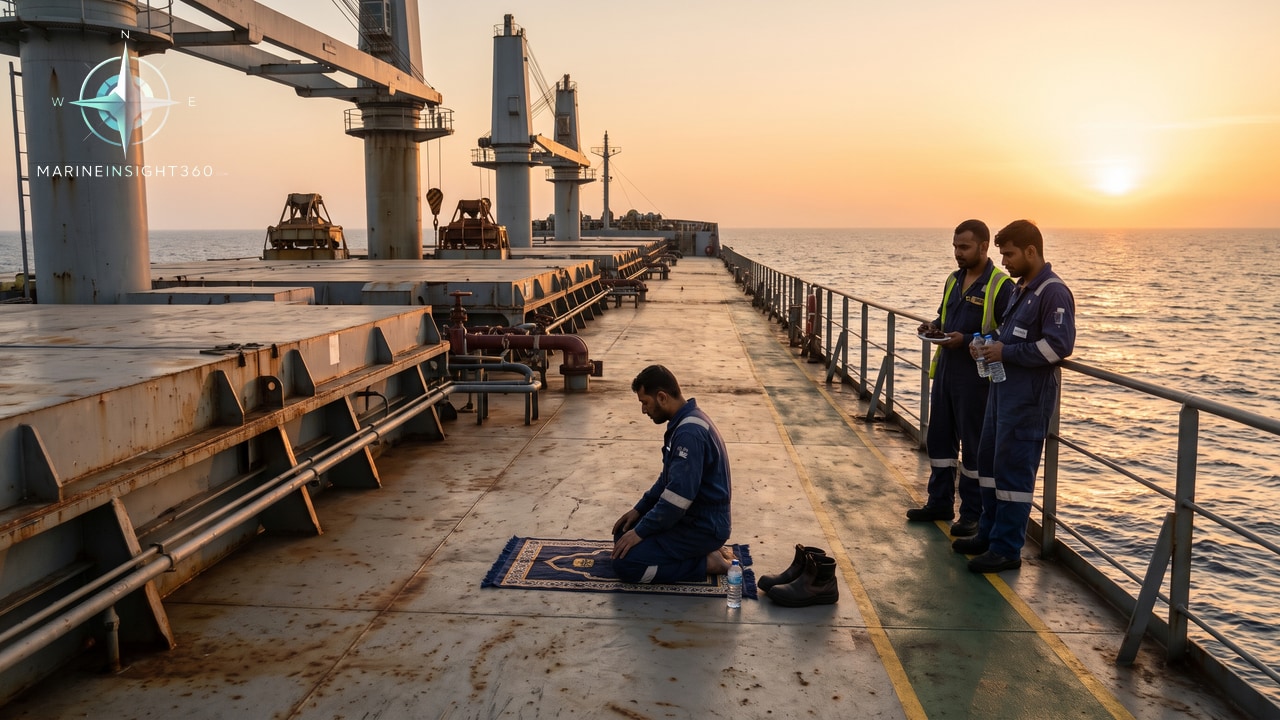
Ramadan at Sea: Fasting, Prayer and Watchkeeping for Muslim Seafarers
A practical guide to Ramadan on board: fasting and watchkeeping, rest hours, suhoor and iftar timings across time zones, galley, prayer and Eid.