
Modern Discoveries: Unveiling Secrets Held by 6 Recently Found Shipwrecks
Six recently found shipwrecks, from a Roman wine carrier off Albania to about 30 wrecks off China's coast, are modern discoveries that work as time…
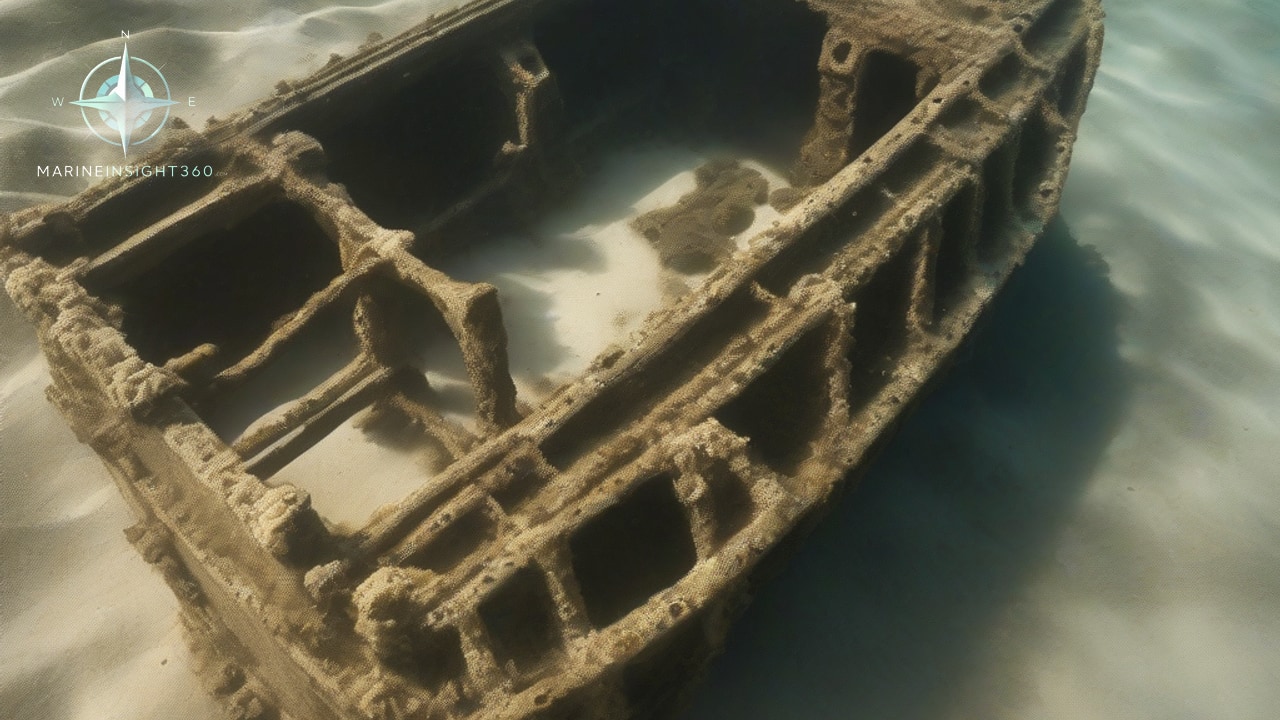
Six recently found shipwrecks, from a Roman wine carrier off Albania to about 30 wrecks off China's coast, are modern discoveries that work as time capsules of past trade routes and shipbuilding.
A wreck on the seabed can tell historians and archaeologists more about an age than almost any other find. What a ship carried, how she was built and where she was going are all preserved, often for centuries, and her cargo is worth far more as evidence than as treasure. Here are some famous shipwreck discoveries of the late 2000s and early 2010s that caught the world's attention.
Roman Shipwreck Discovered off the Coast of Albania
In 2011, archaeologists surveying the Albanian coast near the port city of Vlorë, about 140 km southwest of the capital Tirana, announced the discovery of a Roman cargo ship. Albania's waters had been closed to most research for decades, so the find was a welcome surprise. The ship was carrying around 300 amphorae, the clay jars used to transport wine and other goods, many of them still intact. They were probably bound for markets elsewhere in the Mediterranean when she sank. The wreck's age and depth, and the fact that it had not been looted, made it one of the more exciting Mediterranean finds of its time.
Lake Ontario Shipwreck
In 2011, shipwreck explorers confirmed that a wreck in Lake Ontario, off the New York shore, was the Canadian schooner Queen of the Lakes. Built in 1853 in Portsmouth, Ontario, she sank in November 1906 while carrying more than 400 tonnes of coal to Kingston. A leak let in water faster than the crew could pump it out.
The team first picked up the wreck on side-scan sonar in 2009 and confirmed it with a remotely operated vehicle two years later. She was more than half a century old when she sank and is still standing upright on the lake bed, which makes her a valuable record of how Great Lakes schooners of the 1850s were built.
Shipwrecks Near the English Channel
The American treasure-hunting company Odyssey Marine Exploration made two headline finds in these years. In 2007 it recovered silver and gold coins then valued at about $500 million from a wreck in the Atlantic west of Gibraltar, which it code-named Black Swan. The ship turned out to be the Spanish frigate Nuestra Señora de las Mercedes, sunk by British warships in 1804 while carrying treasure from South America.
After a long legal battle, US courts ruled in 2012 that the coins belonged to Spain. In 2008 Odyssey found the wreck of HMS Victory, a British warship lost in a storm in 1744, near the western approaches to the English Channel. Questions over who owns that wreck and how it should be excavated have delayed work on it for years.
Shipwreck Found on Lake Michigan
One of the more notable shipwreck found in Lake Michigan in this period was a single-masted sloop about 60 feet long. The Michigan Shipwreck Research Association came across it by chance while searching the lake bed for the wreckage of a missing airliner. The remains are thought to be of a 19th-century sloop, and despite their age they are in fairly good condition, which gives researchers a rare chance to study how such small working craft were built.
Shipwrecks Found Near China's Coast
In 2010, Chinese authorities reported that some of the world's most interesting ancient wreck sites had been found off the country's coast. About 30 sites were identified, covering ships that sank at different times. The ships appear to have been carrying trade goods such as silk, porcelain, pottery and handicrafts. The survey work was carried out as part of China's national marine survey programme, known as Project 908, and the results were published in 2010. Studying these wrecks can show what goods were traded, which routes the ships used and how the trade was organised.
Ancient Roman Shipwreck
In 2009, archaeologists found Roman shipwrecks at depths of over 100 meters off the island of Ventotene, part of the Pontine archipelago between Rome and Naples. The ships were carrying amphorae and other cargo. Because they lie so deep, out of reach of divers and looters, most of the cargo is still in place, giving archaeologists a great deal of material to study.
Recommended Reading
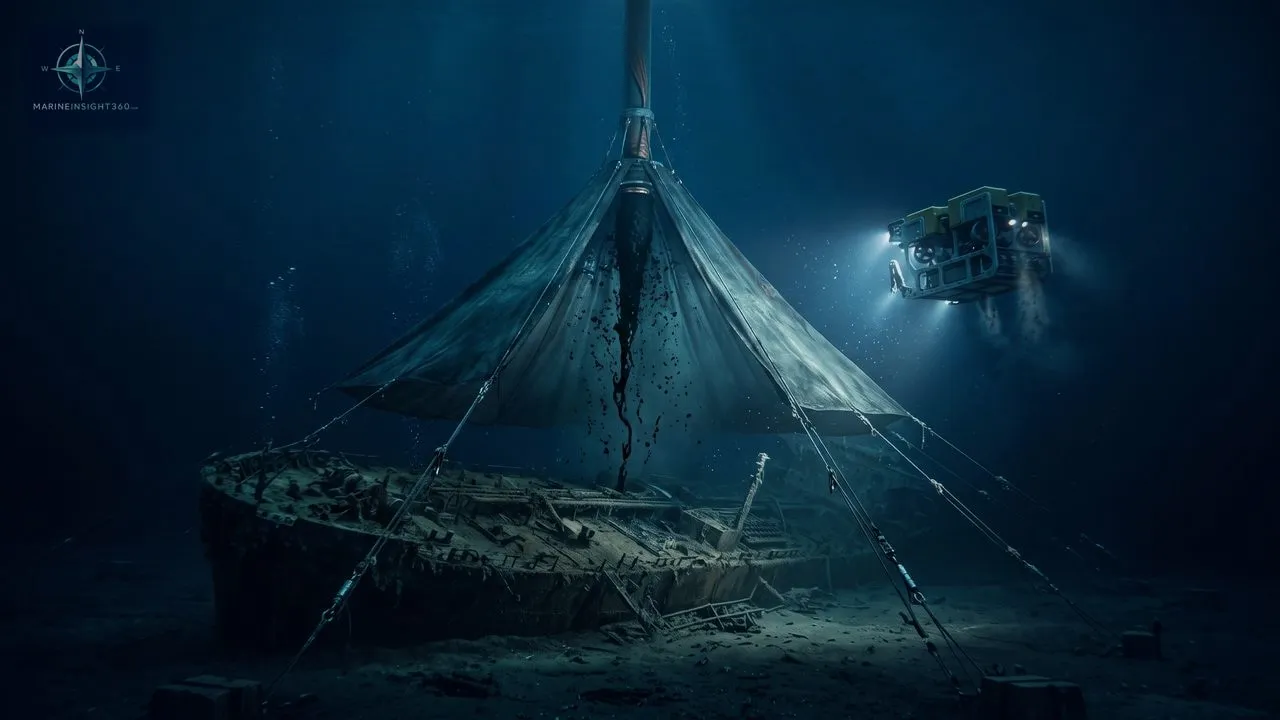
Double Inverted Funnel for Intervention on Shipwrecks (DIFIS): An Oil Spill Response System
DIFIS is an oil spill response system developed by the Maritime Research Institute of the Netherlands (MARIN).
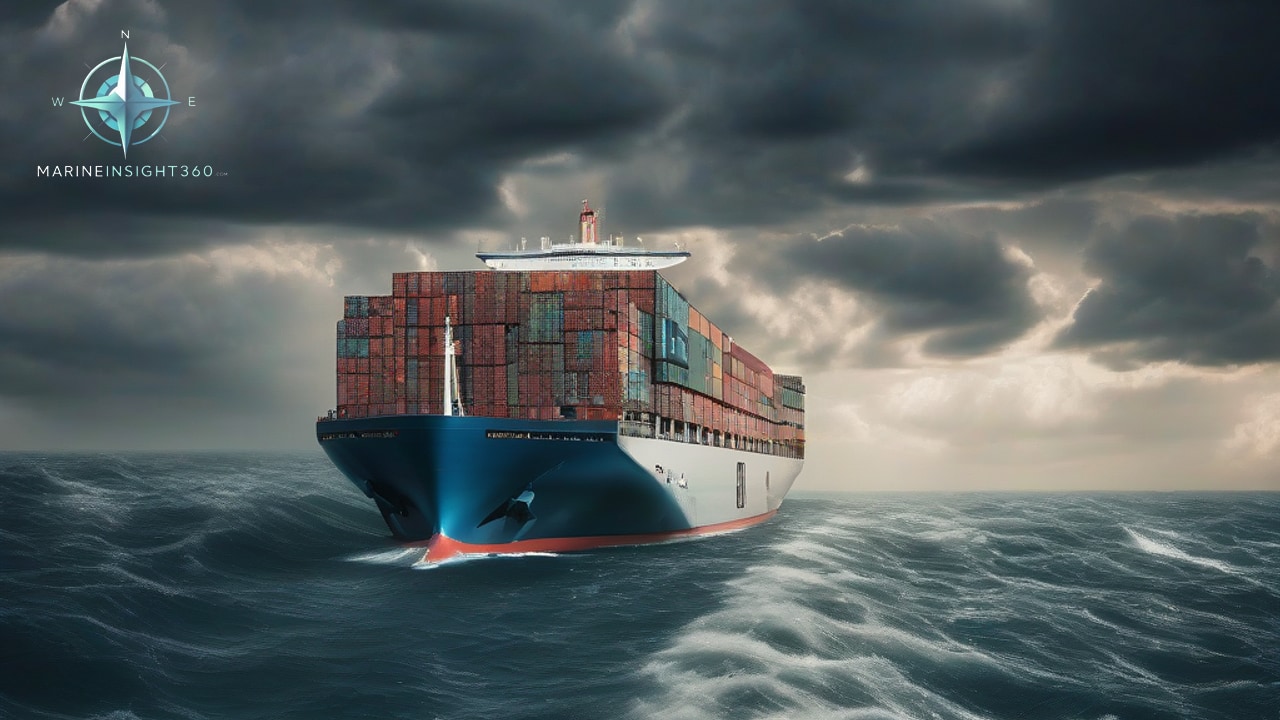
The Role of Hydrodynamics in Modern Ship Design
Imagine standing on the deck of a massive container ship as it slices through the ocean, moving thousands of tons of cargo with surprising grace and…
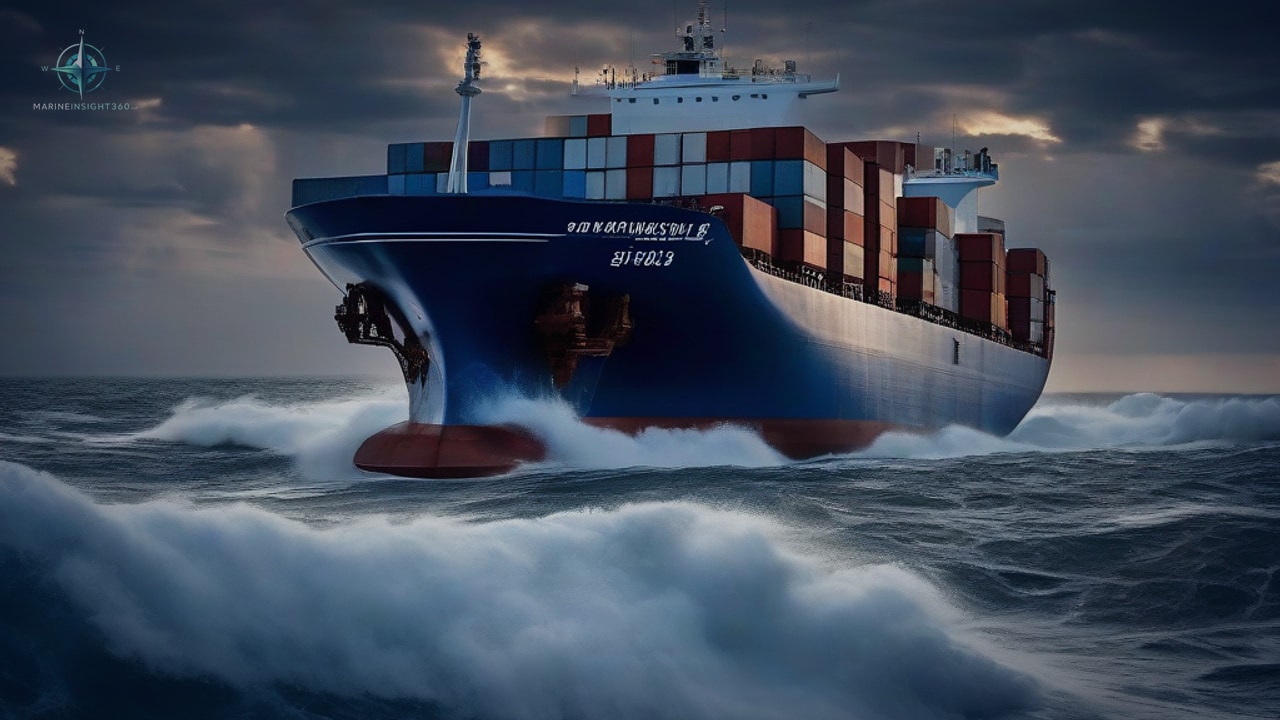
Modern Ship Mast Design – Comprehensive Guide
A modern ship mast is a steel truss structure mounted above the bridge that carries radar, antennas, navigation lights and sound signals, and its design must resist wind loads, vibration, fatigue and corrosion.