
What is a Notice of Protest (NOP) on board a vessel?
A Notice of Protest is a sworn statement by the master. It covers circumstances beyond the master's control. Those circumstances could cause or have caused loss or damage to the vessel or cargo.
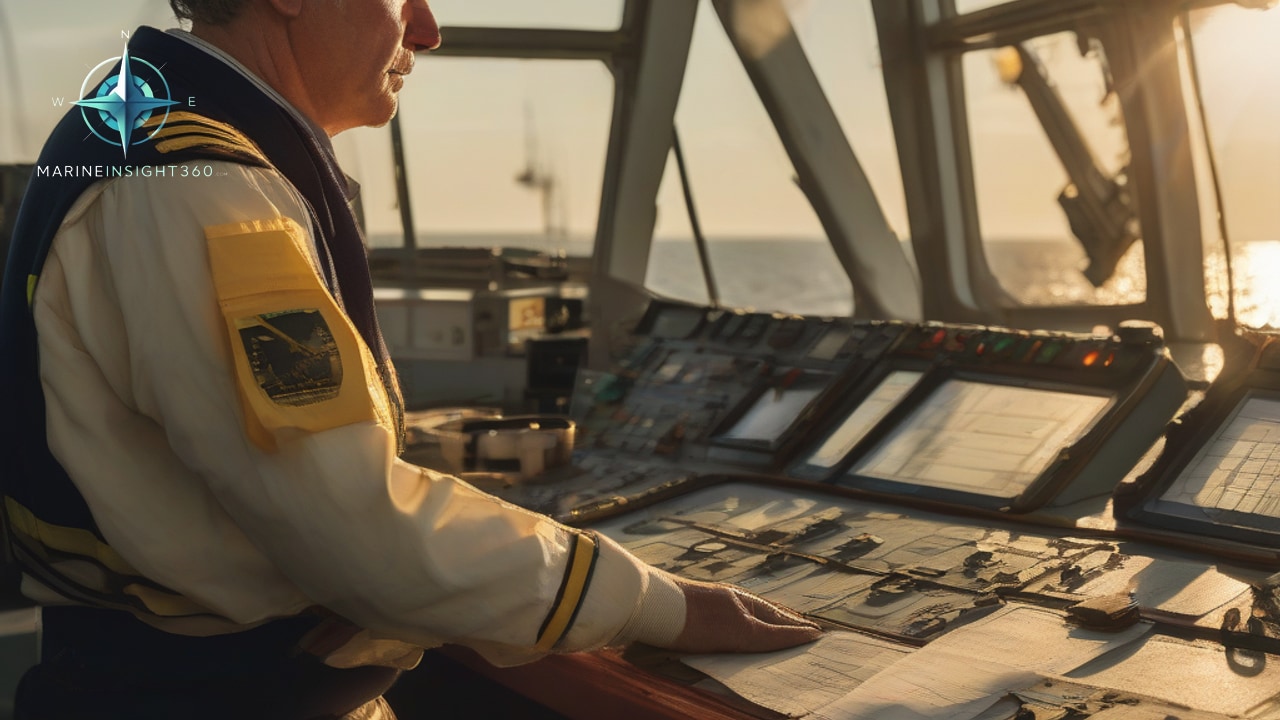
What is a Notice of Protest (NOP) on board a vessel?
A Notice of Protest, more correctly called a Note of Protest, is a declaration by the master about events beyond his control that have caused, or may have caused, loss or damage to the ship or cargo, or that forced him to take action such as leaving a dangerous port. Events like these can expose the shipowner to legal claims, and the protest puts the facts on record early.
A Notice of Protest is made before a notary or similar official when the ship reaches port after a difficult sea voyage. It protects the shipowner or charterer against claims for damage to the cargo, to the ship, or to another ship in a collision, where the damage was caused by perils of the sea such as heavy weather.
The main rules for a Note of Protest are:
- It must be noted promptly, normally within 24 hours of arrival in port. It is made before a notary public, a public official appointed by law, or before a magistrate, a consul or another authorised official.
- Once the protest has been noted, the master can extend it later, when the full extent of the damage or the circumstances behind the Notice of Protest are known.
- If the protest concerns cargo, it must be noted before the hatches are opened and discharge begins, so that the damage cannot be blamed on the ship's handling in port.
- If the owners instruct, copies are sent to all the parties concerned. The owners keep copies and one stays on board.
- Where cargo is discharged at more than one port, the protest should be noted at each discharge port, not just the first one, because the same consignment may be split between ports.
A Note of Protest is usually made when:
- The ship met heavy weather on the voyage that may have damaged the cargo.
- The ship herself has been damaged, whether or not any cargo was damaged.
- The cargo could not be ventilated because of weather or other circumstances beyond the master's control.
- The cargo was damaged or in poor condition when loaded, and the master could not clause the bills of lading to reflect it. In that case he acts after consulting the Protection and Indemnity (P&I) Club, and the protest records the condition of the cargo received from the shipper.
- The charterer or agent has seriously breached the charterparty, for example by unreasonable delay, refusing to load, or supplying cargo that does not match the charterparty terms.
- The consignee fails to discharge or collect the cargo, or to pay freight due under the charterparty and bill of lading.
- A general average (GA) act has taken place. General average shares the cost of a sacrifice or expense made deliberately to save the ship and cargo from a common danger among all the parties to the voyage, in proportion to the value they have at stake.
- The charterer refuses to pay demurrage, the agreed compensation the charterer owes the owner when loading or discharging takes longer than the laytime allowed, or orders the ship to an unsafe port.
Extension of Objection
The first note of protest rarely tells the whole story. The extent of the damage often cannot be judged on arrival, and the liability that follows may be larger than first thought. For that reason the master reserves the right to extend the protest, which is normally done once the cargo has been surveyed and the facts checked.
The note itself should include a line such as: "We reserve the right to extend the protest at a time and place convenient."
How does the Master register an objection?
The master makes the protest with one or more crew members present as witnesses. They should be people who know what happened, usually officers who were on watch, and they may be asked to confirm the facts before the notary, judge, consul or other official.
The protest is backed by the ship's records, including the official logbook, the deck logbook and the engine room logbook, which should show the weather, the ship's actions and any damage at the time. Once the protest has been drawn up and signed, enough copies are made for every party who needs one.
The Note of Protest is a short document, but it matters. It puts the master's account on record before anyone else's, and it gives the owner and the P&I Club evidence to defend cargo and other claims that may arrive months later.
Recommended Reading
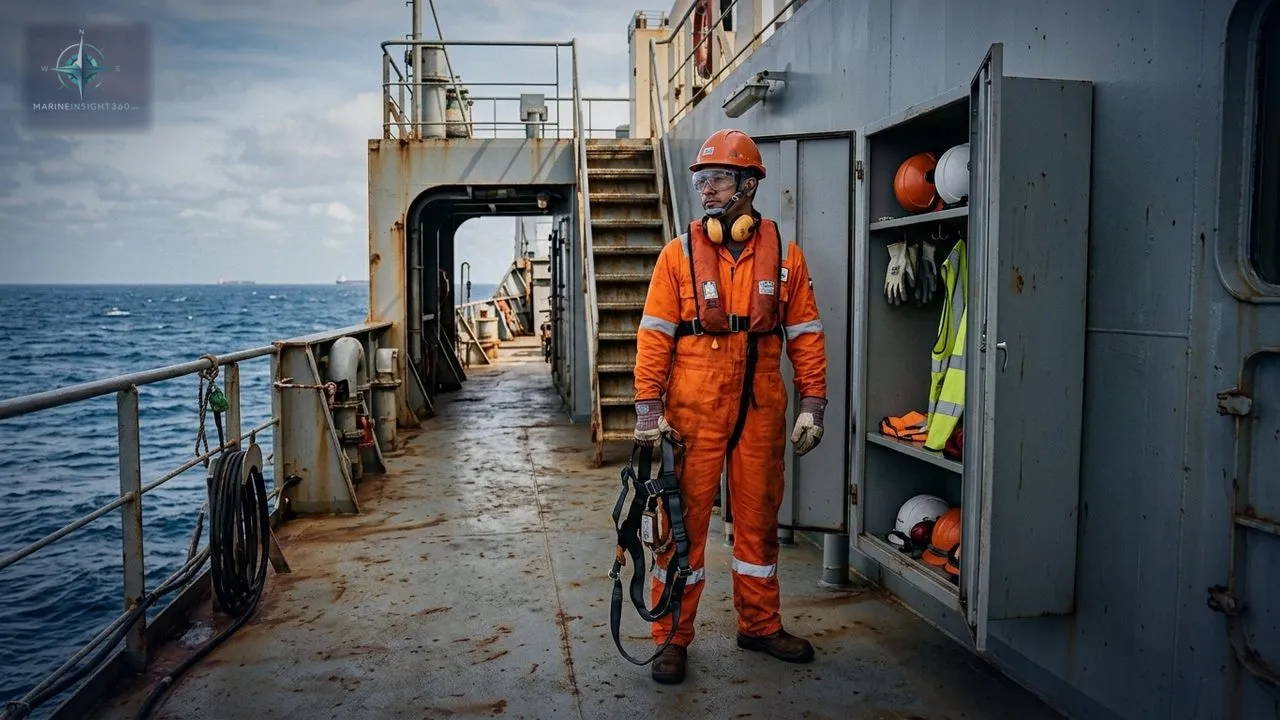
10 Essential Personal Protective Equipment (PPE) on Board Ships
For any professional seafarer working on board, personal safety and the safety of their crew are paramount.
Internet Options at Sea: How to Access the Internet on Board?
Internet access at sea is delivered mainly by satellite, with onboard hardware costing about $600 to install, while shore-dependent options such as data…
How To Detect Ground Faults On Board Ship?
Ground faults are extremely dangerous on board. Some ships operating on 440 volts do not even have individual fault circuit breakers.