
Internet Options at Sea: How to Access the Internet on Board?
Internet Options at Sea: How to Access the Internet on Board?: ports, trade and shipping-market context for US, UK, Canada, Australia, Singapore and...
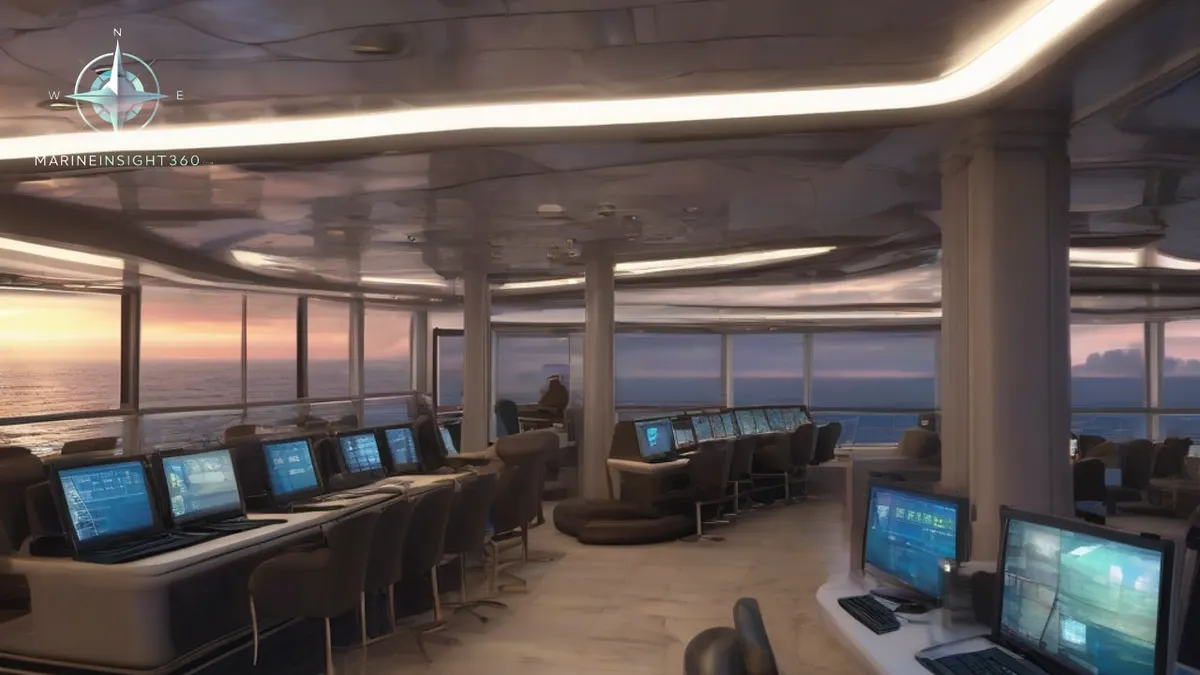
Internet access at sea is delivered mainly by satellite, with onboard hardware costing about $600 to install, while shore-dependent options such as data cards and mobile dial-up only work near a port.
Internet Options at Sea: How to Access the Internet on Board?
Ideally, a vacation on a cruise ship or ship is a time to escape the hustle and bustle of life and unplug from technology. You want to ditch your phone, faxes, emails, and everything else that keeps you connected, and spend quality time with yourself and your loved ones. But this is mostly a virtual world, as even a brief break from the outside world isn't easy in real life.
There's work to do and deadlines to meet, and let's be realistic: vacation eventually ends, and you'll return to work, and a pile of unfinished work is unpleasant. Sometimes, vacation isn't even vacation. Simply put, over time, people have realized that without the internet and connections to the rest of the world, ships can't survive.
Internet access onboard differs from that on land, primarily because you're not on land but on water, surrounded by nothing but the ocean or sea. There are no cell towers or cables to easily access the internet at sea. However, this is already happening.
- The Most Expensive Ships in History
- Hull of A Ship – Types, Structure, Material
- How Do Ships Survive Storms?
- Neom’s Oxagon Is the World’s Largest Floating Structure
Satellite Communications
The most common way to provide internet access on board ships is via satellite. Providing a direct connection to a satellite service through onboard hardware installation provides convenient internet access for all passengers. Hardware installation is essential for receiving an internet signal from anywhere. A complete onboard internet installation costs approximately $600, with additional hardware costs ranging from $50 to $100. The choice of hardware depends on several factors, such as:
- Ship size
- Intended internet use
- Required speed
- Cost
Many companies offer a wide variety of equipment to help you find the one you need. However, this is a one-time investment that provides easy access to the internet. Even on cruise ships, there are dedicated areas offering internet access for passengers, allowing them to access emails from anywhere in the world. Some cruise ships also offer dedicated Wi-Fi zones, providing wireless internet access for everyone.
However, internet service on cruise ships cannot compare to DSL (Digital Subscriber Line). Some companies claim to offer similar speeds, but actual speeds vary. While speeds may be satisfactory, other issues, such as latency, often arise. Furthermore, internet service on cruise ships is not cheap. Prices range from $0.75 to $10 per minute, so caution is advised.
Wireless Devices
Some people prefer to bring their own wireless devices for internet access, but this doesn't seem to be very effective. These devices can only access the internet when they're near a port with a good signal. Many internet service providers offer data cards that plug directly into the system. However, these cards only work when the device is near a port with a good signal.
Dial-up Internet
Dial-up Internet via a mobile phone is another way to access the Internet on a cruise ship. This method is also unreliable, as it relies heavily on cell phone reception. In this case, the phone acts as a modem, accessing the internet directly from the satellite. However, signal loss can affect its effectiveness.
While shipboard internet access is essential for most people today, finding a reliable internet connection on a cruise ship is uncommon. First, not all cruise ships offer this service. Second, even if it does, its reliability is not guaranteed. Therefore, satellite technology is the best option for ensuring adequate internet connectivity on board.
What the MLC now requires on crew internet access
Crew connectivity has moved from a welfare perk to a convention requirement. Amendments to the Maritime Labour Convention (MLC), adopted in 2022 and in force from 23 December 2024, added social connectivity to the seafarer amenities standard. Shipowners must provide access to ship-to-shore telephone and internet where reasonably practicable, and any charge to the seafarer must be reasonable in amount.
Two things follow for an operator. The arrangement has to be visible in the ship's documented amenities, where a flag or port state inspector can check it. And a system that meters crew data at passenger-terminal prices is hard to defend as reasonable, so the per-minute rates quoted for cruise Wi-Fi are not the crew benchmark.
The crew network is not the distress system
Ship internet and ship safety communications are separate systems under separate rules. SOLAS Chapter IV sets the GMDSS carriage requirements by sea area, and only recognised mobile satellite services count towards them. A broadband terminal fitted for crew and business traffic does not discharge that obligation, and losing it does not by itself put the ship into distress.
The GMDSS explainer sets out the sea areas and the equipment each one requires.
Always-on connectivity also brought its own failure mode aboard. IMO resolution MSC.428(98) put cyber risk into the safety management system under the ISM Code, from the first annual verification of the document of compliance after 1 January 2021.
In practice that means keeping crew Wi-Fi segregated from navigation and machinery networks, controlling removable media, and treating chart and software updates as a controlled process. Maritime cybersecurity in 2026 covers where those controls usually fail.
Recommended Reading

Ship Mast: What the Tallest Structure on Board Actually Does
What a ship mast does on a modern vessel: the lights, antennas and radar it carries, the types you will see, and why the old sailing word never left the fleet.

10 Essential Personal Protective Equipment (PPE) on Board Ships
10 Essential Personal Protective Equipment (PPE) on Board Ships: safety, training and compliance context for US, UK, Canada, Australia, Singapore and...
What is a Notice of Protest (NOP) on board a vessel?
What is a Notice of Protest (NOP) on board a vessel?: regulatory and compliance context for US, UK, Canada, Australia, Singapore and European maritime...