
Battling the Storm: When Oil Tankers Face Nature's Fury
Oil tankers in a storm are held stable by bilge keels and ballast control, guided by radar and satellite forecasts, and protected by a double hull.
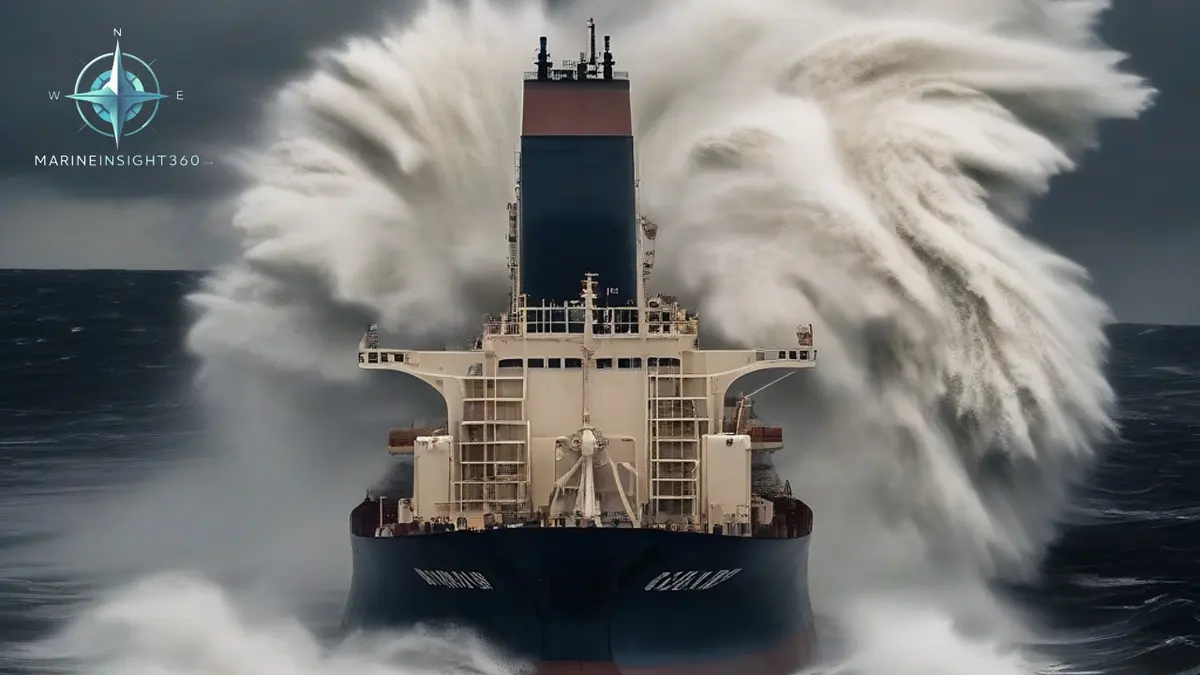
Oil tankers battling a storm at sea are held stable by bilge keels and ballast control, guided by radar and satellite weather forecasts, and protected against spills by a double hull.
The vast expanse of the open ocean, with its extreme weather conditions and powerful storms, poses a significant challenge for those navigating its waters. Among the numerous vessels that brave these conditions, oil tankers stand out as they transport one of the world's most important and essential commodities. In this blog, we explain the challenges Oil Tanker Ships face when confronting nature's wrath, exploring the measures taken to ensure safety, the technologies involved, and the environmental implications of such risky ventures.
Oil Tanker Ships are huge, specialized ships designed for transporting vast amounts of liquid cargo, primarily crude oil and refined petroleum products, over the world's seas. These vessels play a crucial role in the worldwide energy supply chain by facilitating the movement of oil from oil-producing regions to refineries and end-users.
Key Features Of Oil Tankers Include:
Capacity:
Oil Tanker Ships come in different sizes, ranging from small coastal tankers to gigantic Very Large Crude Carriers (VLCCs) and Ultra Large Crude Carriers (ULCCs). The capacity of these vessels is measured in deadweight tons (DWT), representing the weight of the cargo, fuel, and other supplies a ship can carry.
Cargo Compartments:
The hull of an Oil Tanker Ship is divided into different compartments to separate diverse grades of oil or petroleum products. This compartmentalization helps in preventing contamination and allows efficient loading and unloading.
Double Hull Design:
Modern oil tankers are built with a double hull, which MARPOL requires for tankers of 5,000 dwt and above ordered after 6 July 1993, to improve safety and reduce the risk of oil spills in the event of a collision or grounding. The space between the inner and outer hulls is used for ballast water or left empty; it does not carry cargo.
Pumps And Pipes:
Oil Tanker Ships are equipped with powerful pumps and a broad network of pipes to load and discharge their cargo effectively. These systems ensure the smooth transfer of oil to and from onshore facilities or other vessels.
Navigation And Communication Systems:
Due to the long distances they travel and the potential challenges of the open-sea routes, oil tankers are equipped with advanced navigation instruments such as radar, GPS, and satellite communication systems. These technologies help in safe and precise navigation, particularly amid unfavorable weather conditions.
Crew Accommodation:
Oil Tanker Ships have living quarters for a crew that includes skilled professionals such as captains, officers, engineers, and deckhands. The crew is responsible for operating the vessel, ensuring safety, and overseeing cargo operations.
Regulatory Compliance:
Oil Tanker Ships must follow strict international regulations and standards set by organizations such as the International Maritime Organization (IMO). These regulations cover various aspects, including safety, environmental protection, and the prevention of oil spills.
Oil Tanker Ships play an important role in the transportation of crude oil and petroleum products, connecting oil-producing regions with refining facilities and distribution networks around the world. Their efficient and reliable operation is vital for maintaining a stable worldwide energy supply.
When Oil Tankers Confront Nature's Wrath
The Erratic Nature of the Ocean:
The ocean, known for its beauty and vastness, can change into an imposing foe when storms strike. Oil tankers, colossal vessels designed to transport enormous amounts of oil across seas, face the full force of nature's wrath amid such extreme weather conditions. The waves can reach towering heights, winds can howl with extraordinary force, and rain can reduce visibility to nearly zero. Navigating through these conditions requires a combination of advanced technology, skilled crew members, and careful planning.
Advanced Navigation Technologies:
To combat the challenges posed by storms, oil tankers are equipped with state-of-the-art navigation technologies and emergency procedures. These include radar systems, satellite communication, GPS, and advanced weather forecasting tools. Radar systems provide real-time data about the surrounding environment, helping the crew anticipate and navigate through harsh seas. Satellite communication ensures that vessels can keep in contact with onshore authorities and receive updated weather forecasts, allowing them to adjust their courses accordingly.
Stability and Design Considerations:
The design of oil tankers plays a pivotal role in their ability to resist the forces of nature. Advanced tankers are built with stability in mind, incorporating features such as bilge keels and advanced ballast control systems. These features help to minimize the impact of waves and maintain the vessel's stability, reducing the risk of capsizing or cargo spills during rough weather.
Emergency Response and Crew Training:
In spite of the advanced technologies and modern design features, emergencies can still happen. Therefore, crews on board oil tankers undergo thorough training to handle different scenarios, including adverse weather conditions. Emergency response drills, simulated storm scenarios, and continuous training sessions equip crew members with the skills required to respond quickly and effectively amid challenging circumstances.
Environmental Concerns:
While the focus is often on ensuring the safety of crew members and protecting the cargo, the environmental impact of storms on oil tankers is a critical concern. A breach in the hull or a cargo spill amid a storm can destroy marine ecosystems. To mitigate this risk, strict safety protocols, double-hulled designs, and advanced spill response mechanisms are implemented to contain and minimize environmental damage in the event of an accident.
Nature's Fury:
Looking at the impact of Storms on the Open Ocean. Diving into the unpredictable nature of the ocean, this section explores how storms can change peaceful waters into imposing forces. It highlights the unique challenges oil tankers experience, such as towering waves, strong winds, and reduced visibility.
Technological Guardians:
Exploring Advanced Navigation Instruments on Oil Tanker Ships. A detailed look at the cutting-edge navigation technologies deployed on oil tankers, including radar systems, satellite communication, GPS and modern weather-forecasting tools. This technology provides real-time information for navigating harsh seas.
Designing for Stability:
How Modern Tanker Design Handles Nature's Fury. Looking at the structural aspects of oil tankers designed to resist nature's wrath. Features like bilge keels and advanced ballast control systems are explored in detail, illustrating how they contribute to maintaining stability in challenging conditions.
Emergency Scenarios:
A Closer Look at How Crews Respond to Storm-Related Challenges. Detailing specific emergency response measures used by crews when faced with storm-related challenges. From communication protocols to evacuation procedures, this also sheds light on the critical actions taken during crises.
Environmental Shields:
Mitigating the Risks of Oil Spills Amid Storms. Discussing the strict safety protocols, double-hulled designs, and spill response mechanisms implemented to minimize the environmental impact in case of a breach or spill amid stormy conditions.
Conclusion:
Navigating the open ocean amid a storm is an unsafe endeavour, and oil tankers, as vital components of the worldwide energy supply chain, confront these challenges head-on with crew heroism. Through a combination of advanced technologies, careful planning, and continuous training, the industry endeavours to ensure the safety of crew members, protect valuable cargo and minimize the environmental impact.
However, as we continue to depend on oil for our energy needs, understanding the complexities of transporting it through the world's seas amid nature's fury is essential for making a safer and more sustainable future.
Recommended Reading
Chemical Tankers - Types, Designs, & Regulations
A large portion of the global trade supply chain system is based on maritime transport and relies on commercial shipping for the transportation of liquid cargoes.
VLCC and ULCC Tankers: Capacity, Size and How Supertankers Work
VLCC capacity in barrels, tonnes and meters: what separates a VLCC from a ULCC, how supertankers load at sea, and why giant tankers dominate crude shipping.
Understanding the Ins and Outs of the Wall Wash Test (WWT) on Chemical Tankers
How the wall wash test works on chemical tankers: sampling method, hydrocarbon, chloride, permanganate time and color limits, and why tanks fail a WWT.