
What Are The 10 Major Ports in France?
The 10 major ports of France, from HAROPA and Marseille-Fos to Dunkerque, Calais and Strasbourg, with 2024 freight figures and what each port handles.
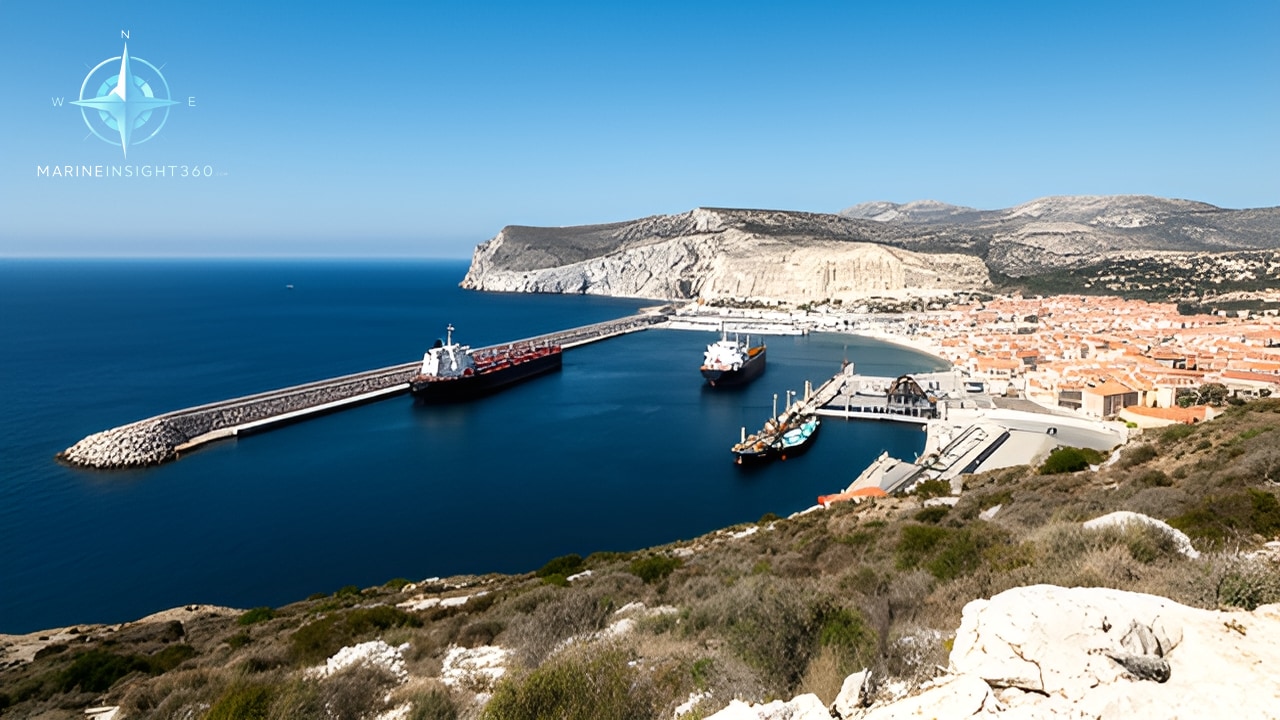
The major ports of France are Marseille-Fos, Le Havre, Rouen and Paris (the last three now run together as HAROPA PORT), Dunkerque, Calais, Nantes Saint-Nazaire, Bordeaux, La Rochelle and Strasbourg. Marseille-Fos and the HAROPA group handle the most cargo, Le Havre is the country's main container port and Calais carries the most passengers. French ports handled about 325 million tonnes of freight in 2024, according to the French government's statistics service.
How French ports are organised
France's largest seaports are state-owned public bodies called grands ports maritimes, created by a port reform law in 2008. In metropolitan France they were Dunkerque, Le Havre, Rouen, Nantes Saint-Nazaire, La Rochelle, Bordeaux and Marseille, with four more in the overseas departments of Guadeloupe, Martinique, French Guiana and Réunion. On 1 June 2021 Le Havre, Rouen and the inland Port of Paris merged into a single port authority for the Seine, HAROPA PORT, with its headquarters in Le Havre.
Calais and Boulogne-sur-Mer belong to the Hauts-de-France region and are run together as Port Boulogne Calais.
The French ports with the most freight in 2024 were:
| Port | Freight in 2024 (million tonnes) | Main traffic |
|---|---|---|
| HAROPA (Le Havre, Rouen, Paris) | 82.8 | Containers, oil, grain, vehicles |
| Marseille-Fos | 70.5 | Oil, LNG, containers, ferries |
| Dunkerque | 45.9 | Ore, coal, LNG, containers |
| Calais | 40.4 | Ro-ro freight and passengers |
| Nantes Saint-Nazaire | 25.7 | Oil, LNG, agrifood bulk |
Figures are from the SDES, the statistics service of the French ministry responsible for transport. The ten ports below are grouped by coast and numbered for reference only; the table gives the order by tonnage of the five largest.
The Mediterranean: Marseille-Fos
1. Marseille-Fos
France's main Mediterranean port is split between two sites. The eastern basins, inside the city of Marseille, handle ferries to Corsica and North Africa, cruise ships and ro-ro cargo. The western basins at Fos-sur-Mer, on the Gulf of Fos to the north-west, take the heavy traffic: crude oil and refined products for the refineries around the Étang de Berre, liquefied natural gas at the Fos Tonkin and Fos Cavaou terminals, containers and dry bulk for the Fos steelworks.
The Rhône gives the port a barge link north towards Lyon.
The Seine ports of HAROPA
2. Le Havre
Le Havre, at the mouth of the Seine, is France's largest container port. Its Port 2000 terminals, built outside the old harbour, take the largest container ships on the Asia to Europe services. The port handles crude oil for the refinery at Gonfreville-l'Orcher, vehicles and cruise ships, and Brittany Ferries runs a service to Portsmouth.
3. Rouen
Rouen lies on the Seine well inland from the sea, and ocean-going ships reach it up the river. It is France's main grain port. HAROPA reported 8.4 million tonnes of grain shipped through its Rouen terminals in the 2025/2026 season, more than half of France's seaborne grain exports, with Morocco the largest buyer of its wheat that season.
4. Paris
The Port of Paris is a network of river ports along the Seine, the Marne and the Oise, and the largest inland port in France. Its biggest site is Gennevilliers, north-west of the city, which handles containers, building materials and fuel. Barges bring sand, gravel and cement into the city by water.
North Sea and Channel ports
5. Dunkerque
Dunkerque, on the North Sea near the Belgian border, is France's third-largest port by tonnage. Much of its traffic is bulk: iron ore and coal for the steelworks next to the port, and other dry and liquid bulk. Its LNG terminal at Loon-Plage, commissioned in 2017, has a regasification capacity of 13 billion cubic metres a year. DFDS runs ferries from Dunkerque to Dover.
6. Calais
Calais is the French port closest to England and the busiest passenger port in France. Its freight is almost all roll-on roll-off: about 95 per cent of the 40.4 million tonnes handled in 2024 moved on lorries and trailers crossing to Dover. The Calais Port 2015 project, opened in 2021, added a new outer harbour with a breakwater about three kilometres long and new ferry berths. Ro-ro operations of this kind are explained in our article on how ro-ro ships work.
Atlantic ports
7. Nantes Saint-Nazaire
Nantes Saint-Nazaire stretches along the Loire estuary from Nantes to the sea. It serves the Donges refinery and the Montoir-de-Bretagne LNG terminal, and handles animal feed, grain and other agrifood cargoes. Saint-Nazaire is home to the Chantiers de l'Atlantique shipyard, which builds some of the world's largest cruise ships.
8. Bordeaux
The port of Bordeaux is a string of terminals along the Gironde estuary and the Garonne, from Le Verdon near the mouth through Pauillac, Blaye and Ambès to Bassens and Bordeaux itself. It handles oil products, cereals, timber and other bulk cargoes, and cruise ships berth in the city centre.
9. La Rochelle
Port Atlantique La Rochelle, at La Pallice, describes itself as the only deep-water port on the French Atlantic coast. It handled 8.4 million tonnes in 2024, of which cereals and oilseeds made up 36 per cent, making it France's second grain export port after Rouen. Its total was the sixth-largest of any French port, and the port describes itself as France's leading importer of forest products.
The concrete U-boat pens built at La Pallice in the Second World War are still standing.
The Rhine
10. Strasbourg
Strasbourg is a Rhine port and the second-largest river port in France after Paris. Its sites stretch for nearly 100 kilometres along the Rhine. In 2024 it handled 6.2 million tonnes by water and about 320,000 TEU of containers, many of them moving by barge to and from Rotterdam and Antwerp.
Other French ports worth knowing
- Brest, at the western tip of Brittany, a major French Navy base with a commercial port and ship repair yards.
- Toulon, the main base of the French Navy in the Mediterranean, with ferries to Corsica.
- Cherbourg, Roscoff, Saint-Malo and Caen-Ouistreham, the main ferry ports for routes to Britain and Ireland.
- Sète, a Mediterranean port for bulk cargoes, livestock and ferries to Morocco.
- Lyon (Port Édouard Herriot), the main river port on the Rhône.
For a working career at sea from these ports, see our article on how to join the French merchant navy. None of the French ports ranks among the world's very largest by container volume; for those, see our list of the biggest ports in the world.
Recommended Reading
Which Are The Major UAE Ports?
Bordered by Oman and Saudi Arabia, the UAE has become a beacon of development and trade on the Arabian Peninsula. It shares seas with Qatar to the west…
What are the 5 major ports of Bahrain?
Bahrain is an island nation near the western coastline of the Arabian Gulf. It comprises 50 natural and 33 artificial islands. Bahrain is the third…
What Are The 10 Major Ports in Mexico?
Mexico is located in the southern part of the North American continent. And also, is the world's 10th most populous country. It is a developing country, classified as an upper-middle-income country by the World Bank.