
A Guide to Verified Gross Mass (VGM) For Shipping
The vgm full form is Verified gross mass (VGM) is a relatively new concept introduced to the maritime industry. Container weight verification is now a worldwide requirement.
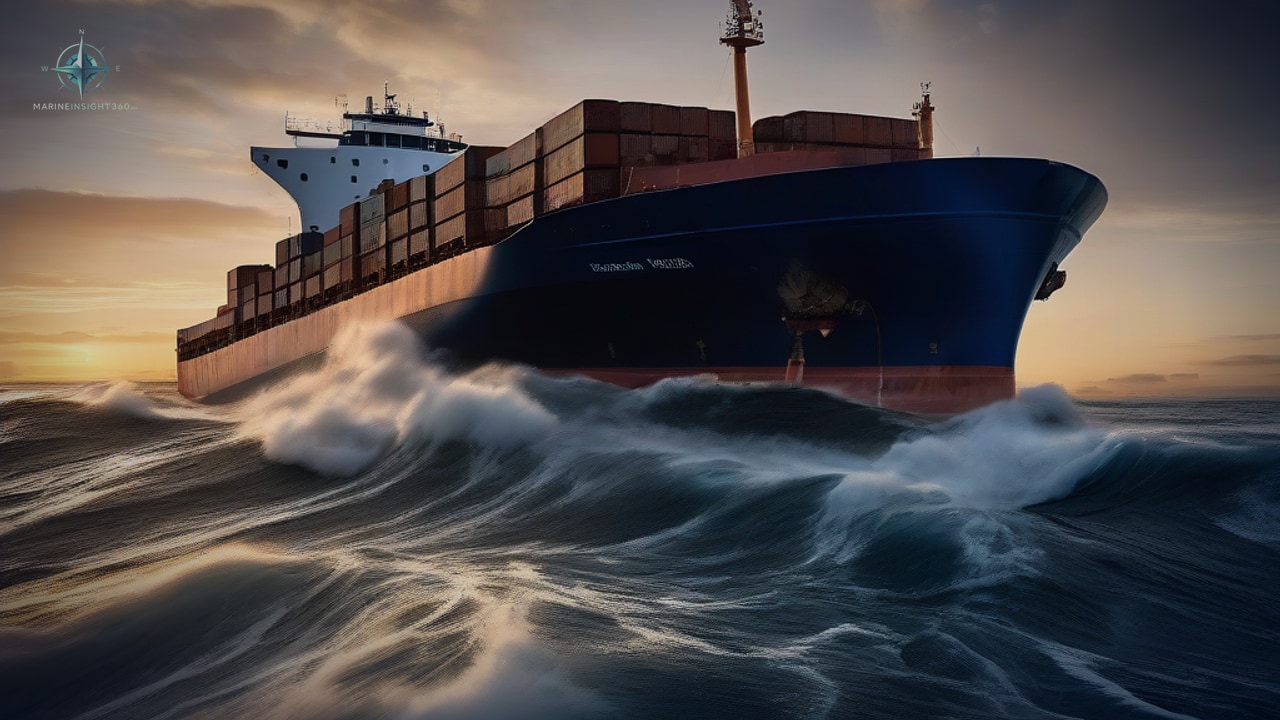
VGM stands for Verified Gross Mass: the total weight of a packed container, meaning the container's tare weight plus the cargo and all its packaging, pallets, dunnage and securing material. Since 1 July 2016, SOLAS Chapter VI, Regulation 2, as amended by resolution MSC.380(94), has required that packed containers are not loaded onto a ship unless the shipper has reported this verified weight to the ship's personnel and the port terminal. The VGM is found either by weighing the packed container or by weighing everything inside it and adding the container's tare weight.
What is VGM?
Verified gross mass (VGM) is the container's tare weight plus the weight of everything packed in it, including all packaging and securing material. There are two ways to determine VGM: weighing the packed container (Method 1), or weighing all its contents and adding the container's tare weight (Method 2). Both methods are explained below, after the reasons for the rule.
What Did We Need?
Before 2016, shippers declared container weights, but nobody had to verify them, and many declared weights were wrong. A container's markings only show its tare weight and its maximum operating gross mass (MGW), not what it actually weighs when packed. Misdeclared weights have contributed to accidents such as stack collapses, containers lost overboard and wrong stability calculations. Inaccurate weights put the ship, its cargo and its crew at risk, so accurate weight declarations are needed to protect life and property.
The shipper named on the bill of lading or sea waybill is responsible for sending the VGM of each packed container to the ship's personnel and the port terminal in good time. The VGM is declared separately from the cargo weight shown on the bill of lading, often in the shipping instructions or a separate signed document. Under SOLAS, a packed container must not be loaded onto a ship without a declared VGM.
Missing VGMs can mean containers are left behind or ships are delayed, with losses for both shippers and carriers.
Flow Chart Showing How To Determine VGM
SOLAS allows two methods to determine VGM, described below:
Method 1:
The packed and sealed container is weighed as a whole:
The weighing is done on calibrated and certified equipment, such as a weighbridge. Certified weighbridges may be at port terminals or outside the port. If the container is weighed together with the road vehicle carrying it (truck and chassis), the weight of the vehicle and its fuel must be deducted from the total.
Method 2:
All cargo items and other contents, including packaging, pallets, dunnage and securing material, are weighed, and their total is added to the tare weight of the container marked on its door. Some countries require shippers using Method 2 to be certified or approved by the national authority. The four weights needed for Method 2 are:
- The tare weight of the container
- Weight of product without packaging.
- The mass of the primary packaging material, if any, and
- The mass of all other packaging materials, pallets, dunnage, space fillers, and securing materials
Weighing Equipment
The weighing equipment used in either method (weighbridges, scales or load-handling equipment with weighing devices) must meet the accuracy, certification and calibration standards of the country where the weighing is done. Estimating the weight is not allowed in either case. On request, proof of the weighing must be provided, including the following information:
- Weighing equipment approval number
- Name of weighing company
- Weighing date
- Weighing company address
- Container number
- Seal number
- Name and signature of the person operating the scale
- Company Stamp
Details Provided On All VGM Instructions
- Booking or Loading Bill Number
- Container Number
- VGM + Unit
- Full Name of Responsible Person
- Legible Signature
- Place and Date of Signature
A declared VGM will rarely match a later check weight exactly. The tare weight of a container can change over time through repairs and wear, so it may differ slightly from the tare weight marked on the container door. Some cargoes also gain or lose a little weight between weighing and loading through evaporation or changes in moisture. For these reasons, some countries apply a VGM tolerance of 2% to 5%.
Vgm Declaration Form
On the VGM declaration, the shipper certifies that the stated gross mass of the container is true and accurate and was determined in accordance with SOLAS regulation VI/2. A typical VGM declaration form contains the following information:
1. The declared VGM
2. VGM Weighing Method
3. VGM Reference Number
4. VGM Signatory
Some forms also attach a weighing report showing the method used and the total weight.
Role Of The Master
- The master is responsible for the safe carriage of the cargo and for making sure that the containers loaded on board have a VGM, which avoids stability problems that could lead to the ship capsizing or sinking. The master's main duties in relation to VGM are:
- The master must ensure that no packed container is loaded without a declared VGM.
- The master and the shipping company should make sure that the VGM of each packed container is received in time to be used in preparing the ship's stowage plan.
- The shipper, not the master, is responsible for determining and documenting the verified gross mass of each packed container.
Shipping lines set deadlines, known as VGM cut-offs, for shippers to submit VGMs so that the ship has enough time to plan the stowage of the cargo safely.
The Following Forms of Packaged Cargo/Containers May be Exempted from VGM:
- Containers carried on a chassis or trailer that is driven on or off a ro-ro ship engaged on a short international voyage (IMO guidelines MSC.1/Circ.1475).
- Offshore containers and other units that are not covered by the International Convention for Safe Containers (CSC). The VGM requirement applies to containers to which the CSC applies.
VGM gives the total weight of the container including its contents, and all SOLAS contracting governments must apply the VGM rules. A declared VGM that follows SOLAS removes hidden or undeclared weight from the stowage plan.
Frequently asked questions
How is VGM calculated?
Under Method 1, the packed and sealed container is weighed on a calibrated, certified weighbridge, deducting the truck and its fuel if they are weighed together. Under Method 2, VGM is the container's tare weight plus the cargo, its primary packaging, and all pallets, dunnage and securing material, each weighed on certified equipment; estimates are not allowed.
What is the VGM cut-off?
The VGM cut-off is the deadline the shipping line sets for the shipper to submit each container's VGM, early enough for the ship's stowage plan to be prepared. A container with no VGM declared may be left off the ship, causing delays or cancelled cargo.
What information goes on a VGM declaration?
A VGM declaration gives the booking or bill of lading number, the container number, the VGM with its unit, the weighing method used, and the full name and signature of the responsible person with the place and date of signing.
Who is responsible for declaring the VGM?
The shipper named on the bill of lading is responsible for determining and declaring the VGM. The master must make sure that only containers with a declared VGM are loaded.
Is there a tolerance on the declared VGM?
There is no single worldwide figure. Some countries allow a tolerance of 2% to 5%, partly because container tare weights change with wear and some cargoes gain or lose moisture between weighing and loading.
Recommended Reading
Shipping Freight Rates Explained: Container, Dry Bulk and Tanker Markets
What moves container, dry bulk and tanker freight rates, how to read the Drewry WCI, SCFI, Baltic Dry Index and Worldscale, and what drove the shipping market in 2026.
Shipping Decarbonisation Rules: IMO Targets, CII, EEXI, EU ETS and FuelEU Explained
The IMO's net-zero targets, EEXI and CII ratings, the delayed Net-Zero Framework, EU ETS and FuelEU Maritime: what each rule requires, when, and what it means on board.
Red Sea Shipping and the Houthi Attacks: Timeline, Risks and Routes
Houthi attacks since November 2023 halved oil flows through Bab el-Mandeb. The full timeline to 2026, the Saudi blockade, insurance and what it means for ships and crews.