
Where is Bay of Biscay?
The Bay of Biscay, with an area of 223,000 square kilometers, is a large area of the North Atlantic Ocean located on the western coast of Europe. It…
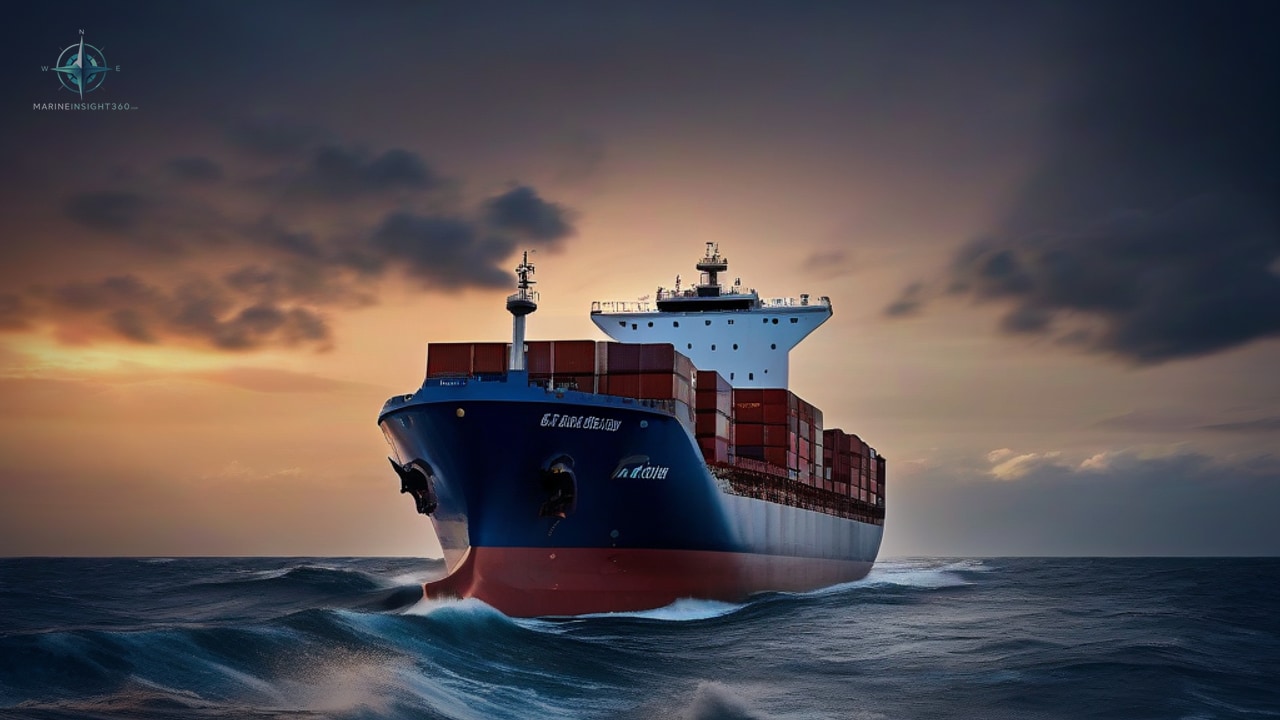
The Bay of Biscay is the stretch of North Atlantic between western France and northern Spain, an area sailors know for violent winter storms and heavy seas.
TheBay of Biscay,covering about 223,000 square kilometres, is a gulf of the North Atlantic Ocean on the western coast of Europe. France lies to the east and Spain to the south, and the Celtic Sea lies to the north. The southern part of the bay, along the Spanish coast, is called the Cantabrian Sea.
What is the origin of it?
The English name comes from Biscay (Vizcaya), the Basque province on Spain's northern coast. The Romans called it Sinus Cantabrorum, the Cantabrian Gulf, and also Mare Gallaecum, the Sea of the Galicians. In French it is the Golfe de Gascogne (Bay of Gascony), in Spanish the Golfo de Vizcaya, in Occitan the Golf de Gasconha, in Basque Bizkaiko Golkoa and in Galician the Golfo de Biscaia.
Geographical Data
The bay reaches a maximum depth of 4,735 metres, and its average depth is about 1,744 metres. Near the coast, though, the continental shelf extends a long way into the bay, especially off France, so large areas are fairly shallow. The main rivers flowing into it include the Loire, Charente, Garonne and Dordogne (through the Gironde estuary), Adour and Bidasoa.
Sailors know the bay for its storms and rough seas. Winter depressions coming in off the Atlantic bring some of the worst weather on the European seaboard between October and March, and the sudden windstorms called galernas can reach near-hurricane strength. The shelf makes things worse: big Atlantic swells steepen as they run into shallower water. In late spring and early summer, a large triangle of fog often covers the southwestern half of the bay.
What marine life is found in the Bay of Biscay?
The bay supports important fisheries for anchovy, sardine, hake, mackerel and horse mackerel, and European eels pass through it on their migration. The scaleless dragonfish, a deep-sea species, is found in its deep waters. Seabirds such as gannets and shearwaters feed over the bay, and it is one of the best places in Europe to see whales and dolphins from a ship, including short-beaked common dolphins, striped dolphins, harbour porpoises, fin whales, sperm whales and several species of beaked whale.
Historical Overview
The Grande Plage in Biarritz, France, faces the Bay of Biscay and is a popular holiday beach. The bay has seen many naval battles. In 1592 a Spanish fleet defeated an English one there, and in June 1795 the British Channel Fleet fought the French Atlantic Fleet off southern Brittany.
On 28 December 1943, during Operation Stonewall in the Second World War, the British cruisers HMS Glasgow and HMS Enterprise (not the American aircraft carrier of the same name) fought a group of German destroyers and torpedo boats in what became known as the Battle of the Bay of Biscay. The bay was also the main transit route for U-boats leaving and returning to their bases in western France, and RAF Coastal Command aircraft sank many of them there. U-boat crews called it the "Valley of Death". The German submarine U-667 was lost with all hands after hitting a mine in the bay in August 1944. Other notable wrecks include USS Californian, mined in 1918, the French liner Afrique, which drifted onto a reef in a storm in 1920 with the loss of 575 lives, and the Soviet nuclear submarine K-8, which sank after a fire in 1970.
The main ports on the Bay of Biscay are Avilés, Gijón, Santander, Bilbao and Pasaia in Spain, and Bayonne, Bordeaux, La Rochelle, Nantes-Saint-Nazaire and Lorient in France. French resorts such as Biarritz, La Baule and Saint-Jean-de-Luz, and San Sebastián in Spain, are also on its coast.
Recommended Reading
Why Is the Bay of Biscay Dangerous for Ships?
Bay of Biscay or Golfe de Gascogne in French and Mar Cantábrico in Spanish, is a Bay of the northeast Atlantic Ocean found south of the Celtic Sea.
Diwali at Sea: Far from Home, Together as One Crew
What Diwali looks like on a merchant ship: a crew of different faiths and nationalities celebrating together, thousands of miles from home.
Ramadan at Sea: Fasting, Prayer and Watchkeeping for Muslim Seafarers
A practical guide to Ramadan on board: fasting and watchkeeping, rest hours, suhoor and iftar timings across time zones, galley, prayer and Eid.