
What Is The 5 Major Port in Vietnam?
Vietnam shares a border with an Thailand through the Gulf of Thailand. Ports in Vietnam main maritime trade activity is through the South China Sea to the east and south.
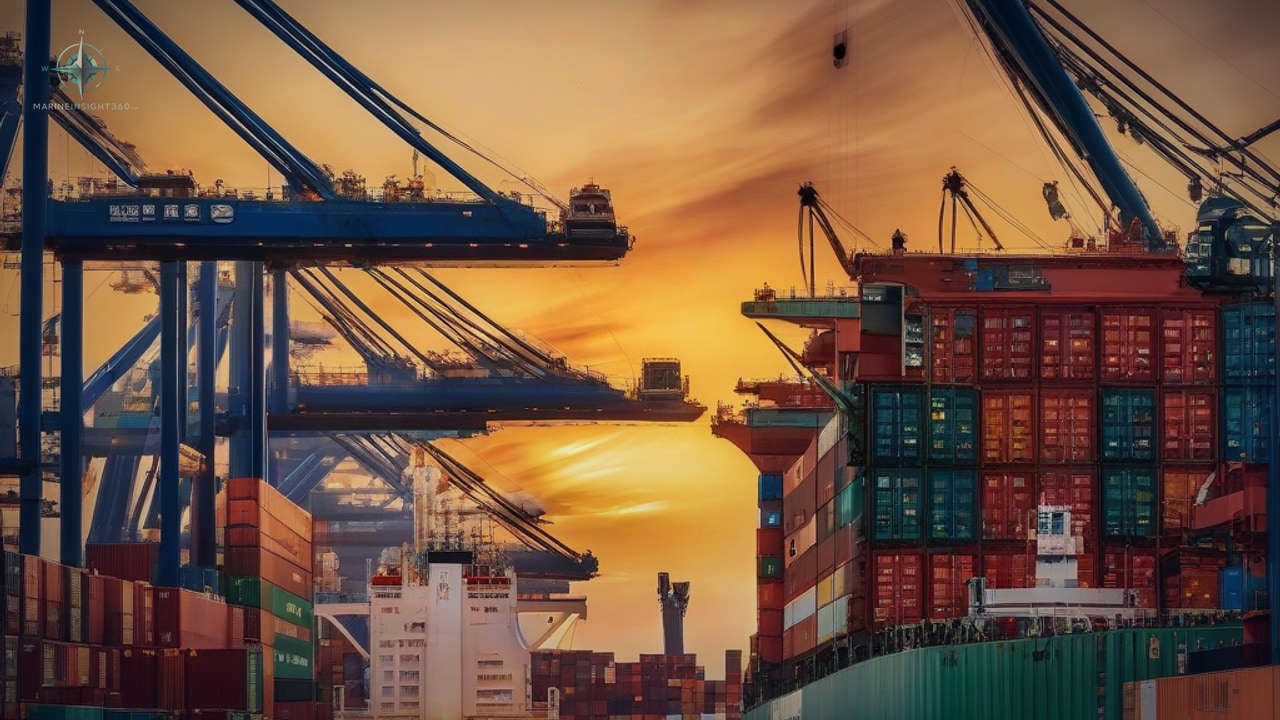
The five major ports in Vietnam are Hai Phong, Da Nang, Saigon (Ho Chi Minh City), Vung Tau with the Cai Mep and Thi Vai terminals, and Quang Ninh. Vietnam's long eastern coast faces the South China Sea, and its south-western coast faces the Gulf of Thailand, so most of its maritime trade passes through the South China Sea. Ports in Vietnam grew up in a country shaped by long wars: about a thousand years of Chinese rule ended in the 10th century, and French colonisation in the 19th century was followed by the Indochina War, in which French forces tried to retake Vietnam and were defeated. The country then split in two, with the north backed by China and the Soviet Union and the south by the United States, and went through many more years of war.
Port Infrastructure In Vietnam
Vietnam has a coastline of 3,444 km with ports all along it, and its position on the South China Sea makes it a natural trade route between East and West. Growing cargo flows from China and Singapore to Vietnam have driven port development. Changes in the supply chain triggered by the US-China trade war from 2018 led foreign investors to look at Vietnam as a base for manufacturing and export.
Vietnam has 34 port zones with about 320 terminals, and a designed capacity of around 950 million tonnes a year. In 2024 its seaports handled over 865 million tonnes of cargo, including almost 30 million TEU of containers. Only a few of these ports can handle the largest ocean-going ships. The smaller ports mostly serve local and coastal trade, while the larger ones keep expanding for foreign trade.
Major Ports In Vietnam
Many of Vietnam's smaller ports lack the depth and equipment to handle large international ships. The rail network is limited, so most cargo reaches the ports by road and inland waterway, which is slow and adds cost. The government has put money into deep-water ports, and the Lach Huyen terminals near Hai Phong and the Cai Mep and Thi Vai terminals near Vung Tau can now take container ships of over 200,000 DWT.
Some of the major commercial ports in Vietnam are:
1. Hai Phong Port:
VNHPH Hai Phong Port is the largest and most important port in northern Vietnam. The French built it in the late 19th century, and it has been expanded many times since. The newest part, the Lach Huyen deep-water terminals at the mouth of the river, takes the largest container ships calling in northern Vietnam. Hai Phong lies on the edge of the Red River Delta, the main trading and industrial region of the north.
Its closeness to the Chinese border and to Hanoi and the industrial provinces around it make the city a busy commercial centre. Hai Phong is connected by rail, road, air, inland waterways and sea. Hai Phong Port Joint Stock Company, the main operator, handled nearly 40 million tonnes of cargo in 2024, and the wider Hai Phong port system handled about 7 million TEU of containers, which puts it among the 50 busiest container ports in the world.
The older terminals upriver are limited by shallow channels, which is why the deep-water terminals were built at Lach Huyen.
2. Da Nang Port:
VNDAD Da Nang Port is one of the largest ports in Central Vietnam and a link between the north and south of the country.
Port has three port areas:
- Tien Sa Son Tra
- Tho Quang
- Lien Chieu.
Tien Sa is the main general cargo and container terminal and has been upgraded to receive larger ships. Lien Chieu is a new deep-water port being built to take bigger vessels than Tien Sa can. Da Nang is a medium-sized deep-water port on a sheltered natural bay, close to the main shipping routes through the South China Sea.
Tien Sa sits at the foot of the Son Tra peninsula, at the entrance to the bay, and the city also has an oil depot served by a pipeline from the bay.
3. Saigon Port:
VNSGN Saigon is the former name of Ho Chi Minh City, Vietnam's largest city and its most important commercial centre. The city lies on the Saigon River, which joins the Dong Nai River and reaches the South China Sea at Can Gio, north-east of the Mekong Delta. The French opened the port to international trade in 1860, and it has served the country's maritime trade ever since.
Today the city's port is split between operators: Saigon Newport Corporation, a state-owned company run by the Vietnamese Navy, operates the Cat Lai container terminal, one of the busiest in the country, and Saigon Port Joint Stock Company runs other terminals. The port is the main gateway for the Mekong Delta and south-eastern Vietnam. Ho Chi Minh City is Vietnam's largest industrial centre, with shipbuilding, chemical manufacturing, fish processing, food processing and construction among its industries.
4. Port Of Vung Tau:
VNVUT The city of Vung Tau is on a peninsula near the mouths of the Saigon and Dong Nai rivers, on the south-east coast of Vietnam. It was the capital of Ba Ria-Vung Tau province until 1 July 2025, when the province was merged into Ho Chi Minh City. Vung Tau is the base of Vietnam's offshore oil and gas industry, and the ports around it serve that industry. Together with Ho Chi Minh City, it is the country's main southern gateway. The Cai Mep and Thi Vai terminals on the Thi Vai River north of Vung Tau are the deepest in southern Vietnam, take container ships of over 200,000 DWT, and handled close to 7 million TEU in 2024, with direct services to Europe and North America. The Vung Tau area also has fishing ports, supply bases for offshore platforms, and shipyards that carry out repairs, general maintenance of ships, and work on electrical, communication and navigation systems.
5. Quang Ninh Port:
VNQNH Quang Ninh Port, on Ha Long Bay next to Hai Phong, is one of the most important ports in northern Vietnam, second only to Hai Phong. Its main terminal is Cai Lan, and large bulk carriers and container ships call there regularly. Quang Ninh province produces almost 90% of the country's anthracite coal, and much of it is shipped through the province's ports. The region also has deposits of limestone, clay and granite.
The province is developing as a commercial and industrial centre in northern Vietnam and is connected to the rest of the country by road, rail and sea.
Conclusion
Vietnam is one of the fastest-growing economies in the ASEAN region. Its trade is spread over many small ports, while most container traffic is concentrated at a few large hubs: Hai Phong in the north and the Ho Chi Minh City and Cai Mep and Thi Vai ports in the south. Big river systems in the north and south mean the country also relies on inland waterways and small river ports to move goods.
Recommended Reading
Maritime Cybersecurity in 2026: Why Every Ship and Port Must Prepare
Practical measures for ships and companies A robust maritime cybersecurity programme does not have to start with costly hardware.
Shipping Agent Role: Port Call Duties Explained
Learn how a shipping agent coordinates vessel clearance, port services, documents and communications before, during and after a port call.
The Importance of Port Security
Introduction: Why Port Security Can No Longer Be an Afterthought Every single day, more than 90% of the world's traded goods pass through ports. These...