
What Is Maritime Frauds In Shipping?
Maritime Frauds: The ship is almost 99% loaded with crude oil. The B/L number the ship provides will be less than 98% of the total cargo.
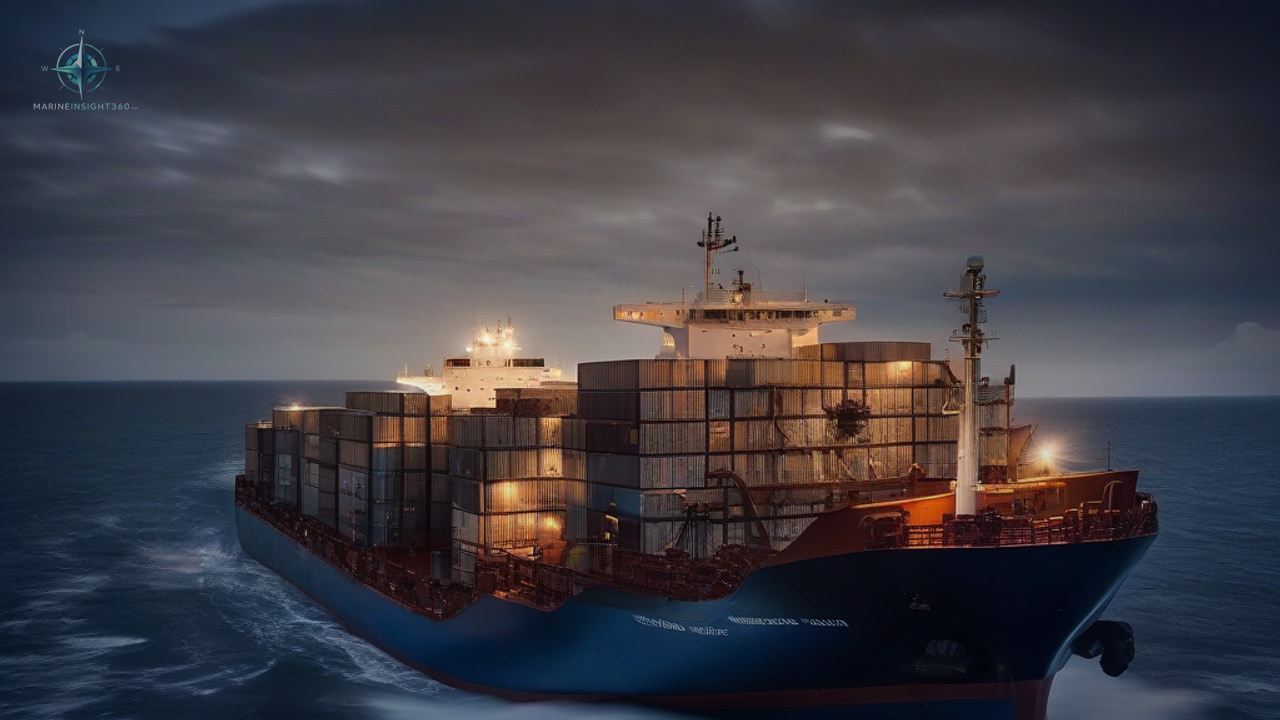
Maritime Frauds: Someone once explained a scheme to me like this. A tanker loads crude oil to about 99% of her capacity, but the bill of lading shows a smaller figure. The difference, more than 1% of the cargo, is sold off to small barges that meet the ship off the coast of countries around the Arabian Sea, and the money is shared between people on board and ashore. When I told him that would not happen on my ship, he was clearly disappointed, and he left a few weeks later.
Have you ever had problems with food, unpaid wages, the seizure of your ship, or engine damage that should never have happened? Or pressure from senior officers, or owners who abandon their crew? Seafarers on ships all over the world deal with these problems, and fraud is behind many of them.
The root cause is usually greed. A corrupt master, chief engineer, senior officer or superintendent can make life miserable for the crew, either alone or together with people ashore. When the corruption comes from the company's own managers, it may be time to leave the company and report what you have seen to the authorities.
What Exactly Is Maritime Frauds?
How do you recognise it? Maritime fraud can happen on a ship, in a shipping company's office, at a trading company that ships goods by sea, and in many other places. It involves two or more parties, at least one of whom obtains goods, money or services from another dishonestly or illegally. Because it can turn up anywhere, seafarers need to keep their eyes open.
Seafarers should never interfere with operations to make money on the side, and they should resist senior officers who try to pull them into misconduct that could cause financial and reputational damage. The International Maritime Bureau (IMB) was set up in 1981 as a specialised division of the International Chamber of Commerce (ICC) to fight maritime fraud and malpractice.
It is a Non-Profit Organization.
The IMO also took up the issue. Its resolution A.504(XII), adopted on 20 November 1981, called on governments and organisations to work together against maritime fraud through cooperation and information exchange.
Most seafarers will know the IMB's Piracy Reporting Centre in Kuala Lumpur, Malaysia, which sends out piracy reports that ships receive on board. Some frauds are obvious and quickly discovered, while others stay hidden for years because nobody can prove them.
Types Of Maritime Frauds Here's What You Can Easily See On Board:
- The master and chief cook or steward sign for provisions that were never delivered, or share kickbacks with suppliers on inflated invoices.
- A senior deck officer and crew members sell the ship's stores or cargo.
- A senior marine engineer colludes with a bunker supplier to accept a short delivery and share the difference, or sells the ship's fuel.
- A senior Marine Engineer accepts substandard or used spare parts in place of genuine ones.
- A senior deck officer manipulates the bill of lading figures.
- Superintendents, alone or with senior officers, inflate invoices for stores, spares and shipyard repairs that were never carried out.
- Cargo surveyors work with senior deck officers to adjust draft survey figures. This is most common on bulk carriers.
- Agents, stevedores and suppliers work with senior officers on board to inflate invoices.
- Manning agents skim or manipulate seafarers' wages.
- Crewing agencies use forged certificates and discharge books (CDCs) to put unqualified crew on board at low wages.
- Senior engineers falsify the oil record book to hide machinery defects and pump oily waste overboard through portable hoses.
- A senior deck officer, with the knowledge of owners or managers, manipulates the cargo figures on a tanker and transfers cargo (such as diesel) into the bunker tanks.
- The master and crew knowingly carry stowaways for money.
- The master and crew smuggle contraband.
- Owners or managers commit insurance fraud, falsifying the ship's records with the help of the master and crew.
Other cases on board
The list can also include deaths on board that are reported falsely, such as a killing recorded as a suicide. There are other kinds of fraud too, and seafarers should report any they come across to the port authorities. Whistleblowers can be well rewarded. In the United States, courts can award a whistleblower up to half of the fine in pollution cases. In one case, a third engineer gave the U.S. Coast Guard evidence that the chief engineer had been illegally discharging oily waste. The chief engineer was sent to prison and the junior engineer received a large reward.
Gathering evidence
Seafarers today have more ways than ever to record wrongdoing on board, including phones and intrinsically safe cameras that can be used in hazardous areas. Vigilance is the main defence, whether the fraud involves false bottoms or doctored sounding tapes on bunker barges, bunker delivery notes, or the stores and supplies delivered to the ship.
Don't let senior officers intimidate or pressure you on environmental issues. Report any quality problems or shortfalls in deliveries to the master, and insist that at least two crew members countersign every delivery receipt or invoice signed on board.
Reporting suspicious behaviour
Report any suspicious behaviour by crew members to your superior. Saying you didn't know will not protect you if fraud happens on board. Authorities may well assume that the master and crew knew about it, unless someone reported it before the authorities found out.
Greed is the main driver, but much fraud at sea happens because senior officers or outsiders pressure the crew, or because the company's own staff, owners, agents or port officials are involved. Weak enforcement by administrations and organised crime also play a part.
Recommended Reading
Shipping Freight Rates Explained: Container, Dry Bulk and Tanker Markets
What moves container, dry bulk and tanker freight rates, how to read the Drewry WCI, SCFI, Baltic Dry Index and Worldscale, and what drove the shipping market in 2026.
Shipping Decarbonisation Rules: IMO Targets, CII, EEXI, EU ETS and FuelEU Explained
The IMO's net-zero targets, EEXI and CII ratings, the delayed Net-Zero Framework, EU ETS and FuelEU Maritime: what each rule requires, when, and what it means on board.
Red Sea Shipping and the Houthi Attacks: Timeline, Risks and Routes
Houthi attacks since November 2023 halved oil flows through Bab el-Mandeb. The full timeline to 2026, the Saudi blockade, insurance and what it means for ships and crews.