
Maritime Mechanic: A Comprehensive Guide to Being an Engine Cadet
An engine cadet is the trainee rank in the Maritime Mechanic career at sea, working day shifts in the engine room under the second engineer to maintain…
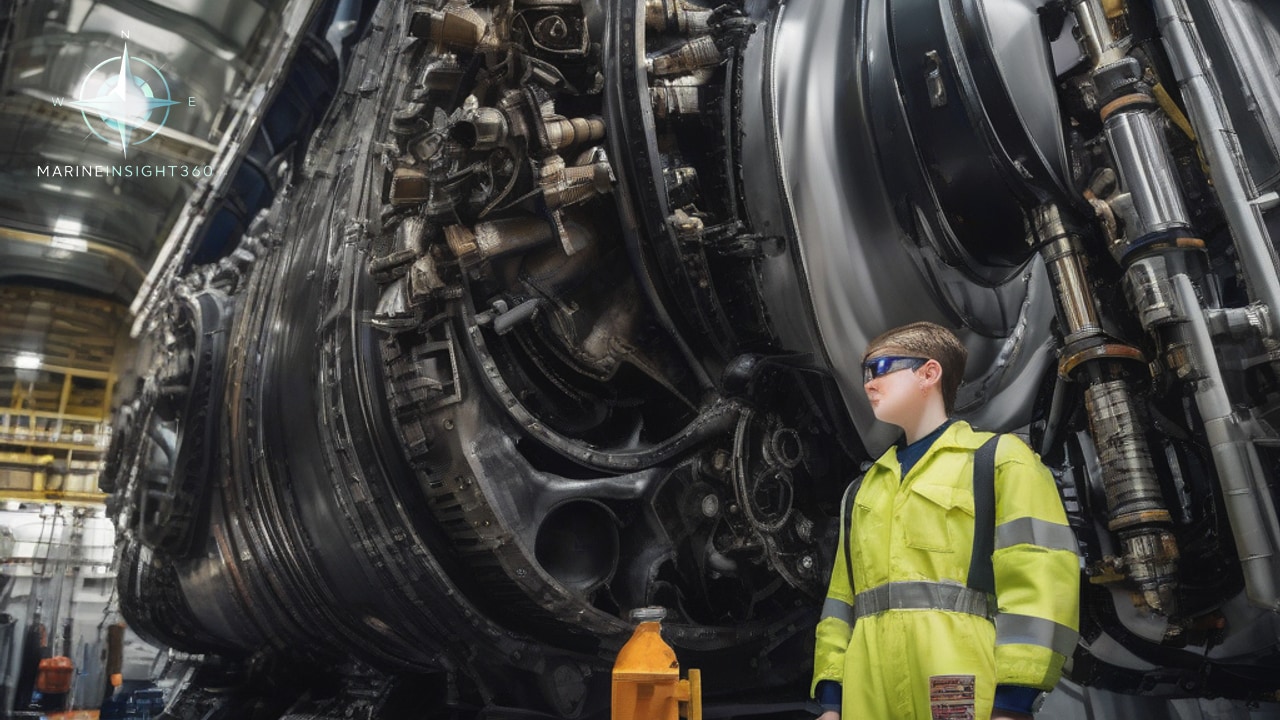
An engine cadet is the trainee rank on the maritime mechanic side of a ship, working day shifts in the engine room under the second engineer to maintain pumps, fuel and power systems, inspect machinery and log equipment readings.
Engineering cadets join ships as working members of the engine department and as trainees at the start of a career at sea. The engine room is where they learn the machinery that every marine engineer has to master, and the sea time and training they complete as cadets lead to their first certificate of competency as an engineer officer.
In the Merchant Navy or Merchant Marine, cadetships follow two main paths: deck cadet and engine cadet. A deck cadet trains in navigation, cargo work and ship handling to become a third officer, and can rise through second officer and chief officer to master. An engine cadet trains on the ship's machinery to become a junior engineer, usually a fourth or third engineer depending on the company, and can rise through the ranks to chief engineer.
Essential Guide to the Engine Cadet Role
An engine cadet's time on board is where the classroom meets real machinery. You are expected to look for chances to learn, ask questions, and work through your training record book. Much of your day will be spent with the engineer directly above you, often the third or fourth engineer, learning how they run and maintain their machinery. Your daily tasks are usually given by the second engineer, who runs the engine room work on behalf of the chief engineer.
The chief engineer is in overall charge of the engine room and its operation. How cadets are used depends on the size of the ship, the owner or manager, and the senior engineers. Most engine cadets work day work, set by the needs of the ship. The main job is maintaining equipment and systems in the engine room, and cadets may also help the duty engineer with watchkeeping or UMS rounds.
This post explains those tasks and the maintenance work you will do as an engineering cadet.
Cadet Engineer Duties and Responsibilities
As a cadet engineer you will be involved in a wide range of work on board. This is what to expect:
Planned Maintenance Support
You will help with routine jobs in the planned maintenance system, from filter changes to pump overhauls.
Operating System
You will help run the pumps and fuel systems, electrical distribution, generators, and air conditioning and refrigeration plant, and help maintain deck machinery such as cranes and lifts.
Engine Inspection
You will help strip down engines and other machinery during overhauls, and inspect and measure the parts to check their condition.
Systems Tracking
Tracing the pipes for oil, water, steam and air through the ship, from tank to pump to consumer, is one of the best ways to understand how the systems work, and it is a standard task in most training record books.
Equipment Data Recording
You may be given the job of taking the daily readings of engine room machinery. Record them accurately, because engineers use them to spot developing faults.
Depth soundings
You will sound tanks to measure the liquid level in them, which is needed for fuel and water records and the ship's stability.
Engine Room Monitoring
You will help the duty engineer monitor the machinery and make sure everything is running properly.
Maintenance and Service
Cleaning, painting and greasing machinery is part of the job too, and keeps equipment in good condition.
Cadets who show initiative, pay attention and take on any job they are given learn the most and are noticed by the senior engineers.
Advanced Skills and Personal Qualities of Engineering Cadets
The engine cadet role is demanding and calls for a particular mix of skills and personal qualities.
Attention to Detail
Whether watching machinery, doing maintenance or recording readings, small mistakes in an engine room can cause breakdowns or injuries, so accuracy matters in every task.
Understanding and Executing Commands
You need to understand instructions and carry them out promptly. A misunderstood order or a delay can damage machinery, endanger people or cause pollution.
Punctuality
Ships run to tight schedules. Turning up on time for work, rounds and drills, and finishing jobs within the time given, keeps the rest of the engine room on schedule.
Communication Skills
Engine rooms are noisy and crews are often multinational, so you need to speak clearly, listen carefully to instructions and pass on information accurately.
Teamwork
A ship's crew is small and everyone depends on everyone else. Cadets often work with others under pressure, and good teamwork keeps the ship safe and running.
Resilience to Hard Work
Engine room work is physically hard and the hours can be long. A strong work ethic and patience are essential.
Physical Fitness
Good health and fitness help cadets cope with the physical work and with life at sea in general, and every seafarer has to pass a medical examination.
Adaptability to Harsh Conditions
Engine rooms are hot, loud and often cramped. You need to stay focused and work safely in those conditions.
Sense of Humor
A positive attitude and a sense of humour help morale and mental health, especially during long contracts away from home.
Coping Under Pressure
You have to stay calm and act effectively in emergencies. Being thousands of miles from family and friends for months at a time also takes mental strength. Cadets with these qualities cope best with the challenges of life at sea and become valued members of the engine department.
General Maritime Mechanic Knowledge
Maritime Mechanic Law and Management
Engine cadets study the basics of maritime law, including MARPOL, SOLAS and the Maritime Labour Convention, along with shipboard management, which they will need as they move up the ranks.
Dealing with Accidents and Incidents
Emergency response training prepares cadets for fire, flooding, collision, grounding and abandoning ship, and the engine room's part in each.
Port Operations and Cargo Contracts
Engineers also need to understand port operations and cargo handling, because the engine room supplies the power for cargo pumps, cranes, ballast systems and reefer containers, and bunkering usually takes place in port.
Practical Experience
Alongside classroom study, cadets spend a large part of their training at sea. Sea time lets them put what they have learned into practice and see how a ship really works, and a set amount of documented sea service is required before they can sit for their first certificate. Cadet training combines theory and practice to prepare cadets for the technical, physical and mental demands of a career in marine engineering.
The Path to Becoming an Engineer Candidate: Step-by-Step Guide
Getting a first berth as an engine cadet takes effort. These steps will help.
Apply to the Shipping Company or Crew/Staffing Agent
Apply directly to shipping companies or to licensed crewing agencies. Seafarer job platforms such as Martide also list engine cadet vacancies.
Keep your Options Open.
Apply to a range of employers. Cadetships are offered by merchant shipping companies and also in other sectors such as offshore, cruise and government fleets.
Discover Different Types of Ships.
Engine cadets train on many types of ship, including cruise ships, container ships, bulk carriers, gas carriers, and chemical and oil tankers. Each has its own machinery and its own challenges.
Other Entry-Level Marine Jobs to Consider
Besides engine cadet roles, cruise lines in particular hire people for jobs such as plumbers, carpenters, waiters, entertainers, shop staff and waste management workers.
Beware of Scams
Be careful when looking for work. Never pay anyone to get you a job at sea. Fraud aimed at young seafarers is widespread, and under the Maritime Labour Convention, recruitment and placement agencies must not charge seafarers fees for finding them a job.
Understand the Terms and Conditions of Employment.
As a cadet you should be paid a stipend or wage for your time on board. Many companies that sponsor cadets also pay for their training, sometimes in return for an agreement to work for the company for a set period after qualifying, so read the contract carefully.
Research the companies, choose a reputable one, and stay open to the different opportunities on offer, and you will be well on your way to becoming an engine cadet and, in time, a marine engineer.
Recommended Reading
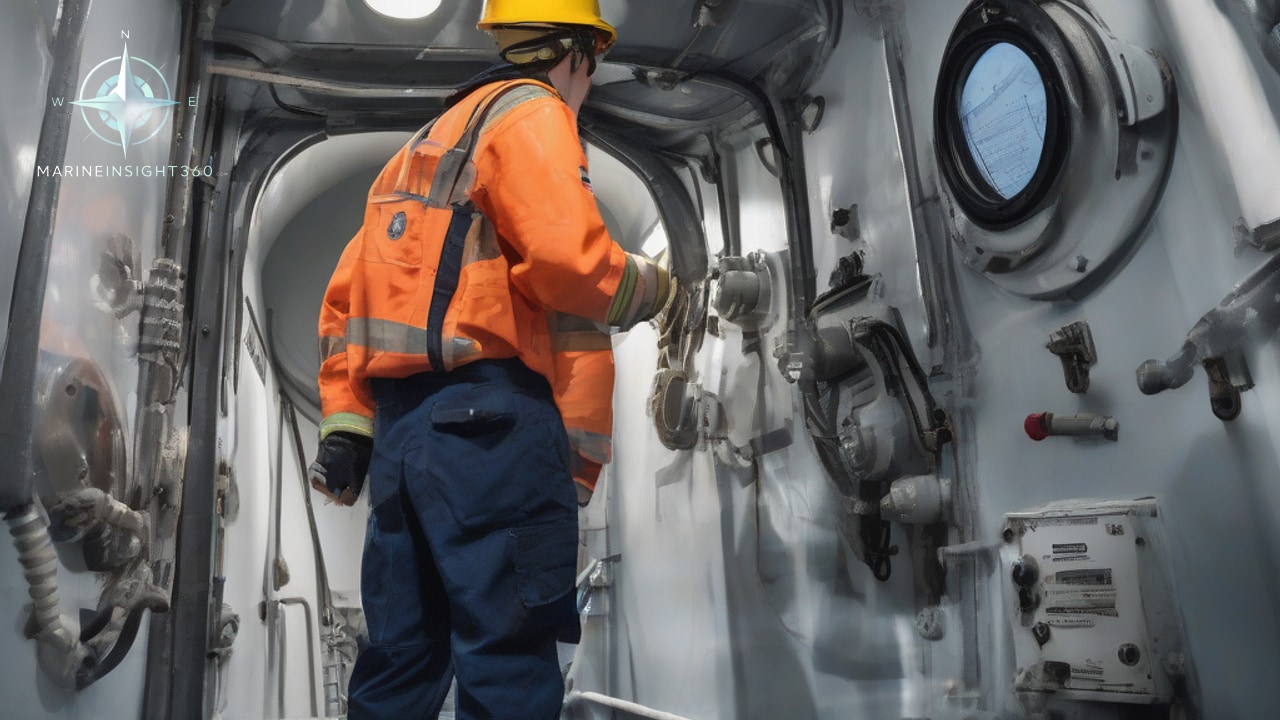
Engineering the Future: Life and Learning as an Engine Cadet
An engine cadet is the entry-level engineering rank on a ship, and the berth where a future engineering officer learns the machinery by working on it.
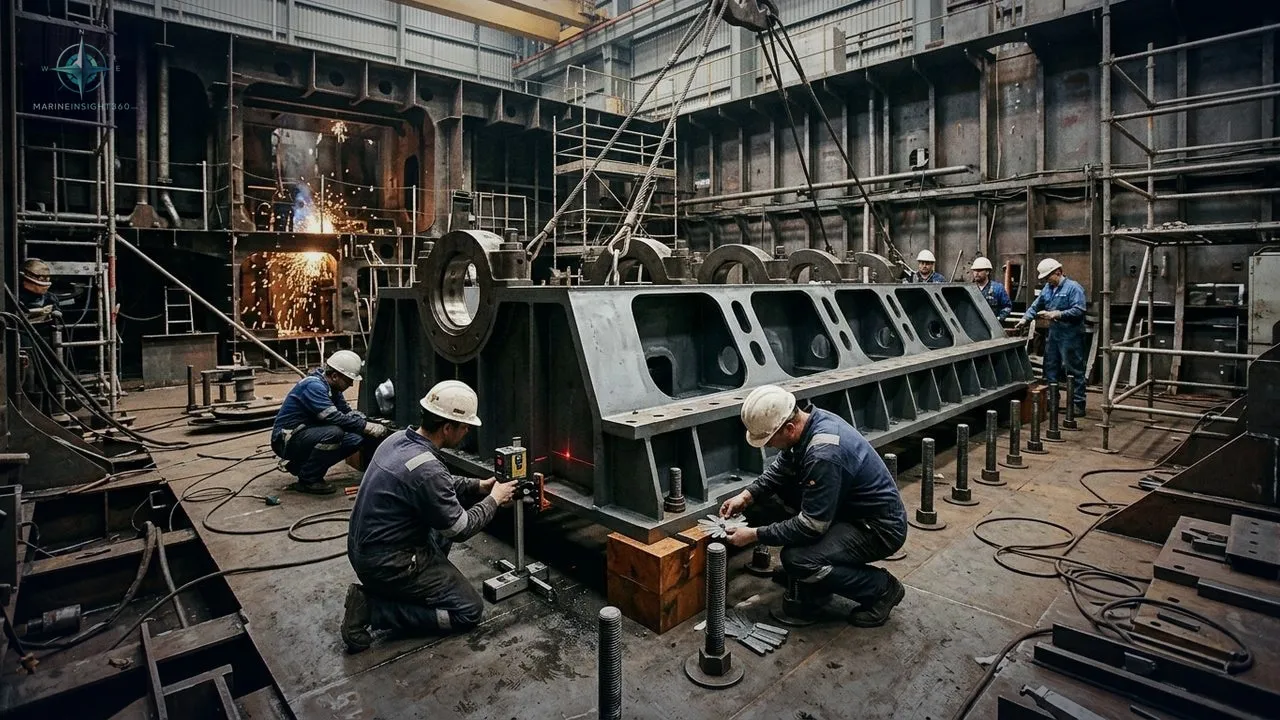
Things To Consider When Installing Marine Engine Bedplates
Engine bedplates are the lower components of marine engines (two-stroke and four-stroke), supporting the engine compartment and are among the most…
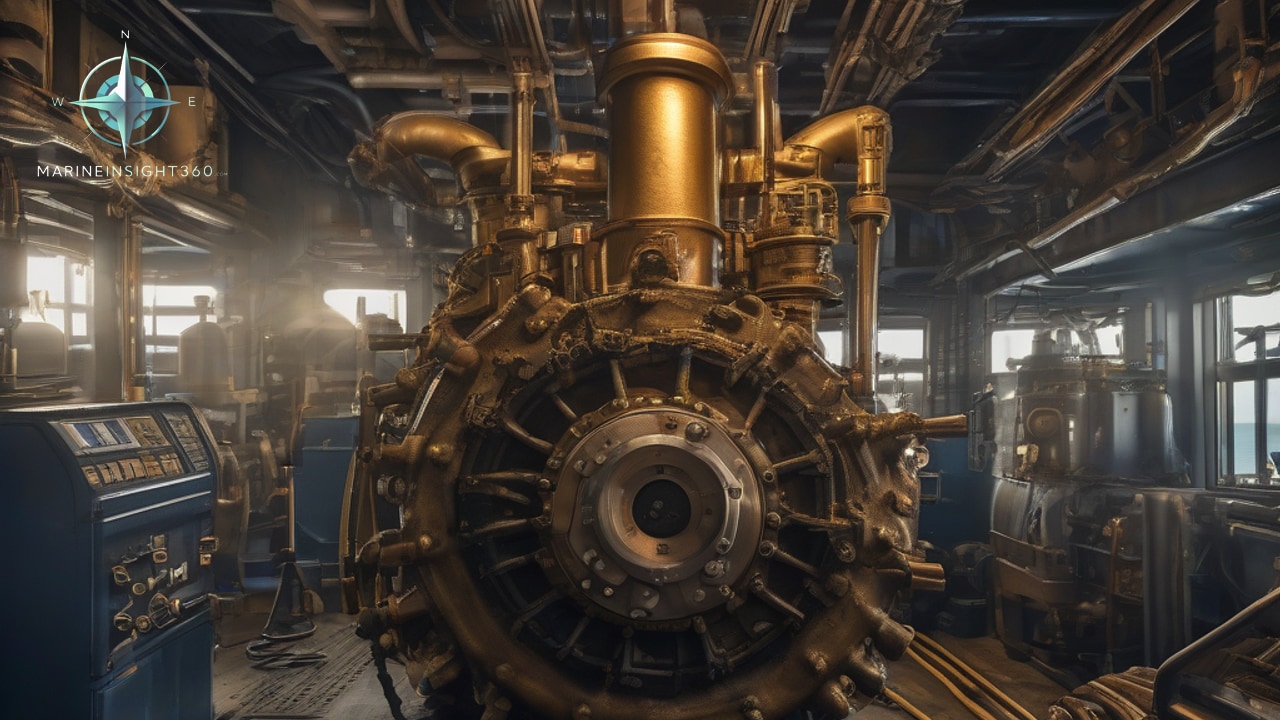
Spark Erosion and Ship Engine Damage
Various automated systems are used on ships to ensure the efficient and smooth operation of machinery. However, machinery failures are common, primarily due to a lack of understanding of these systems by crew members.