
Engineering the Future: Life and Learning as an Engine Cadet
An engine cadet is the entry-level engineering rank on a ship, and the berth where a future engineering officer learns the machinery by working on it.
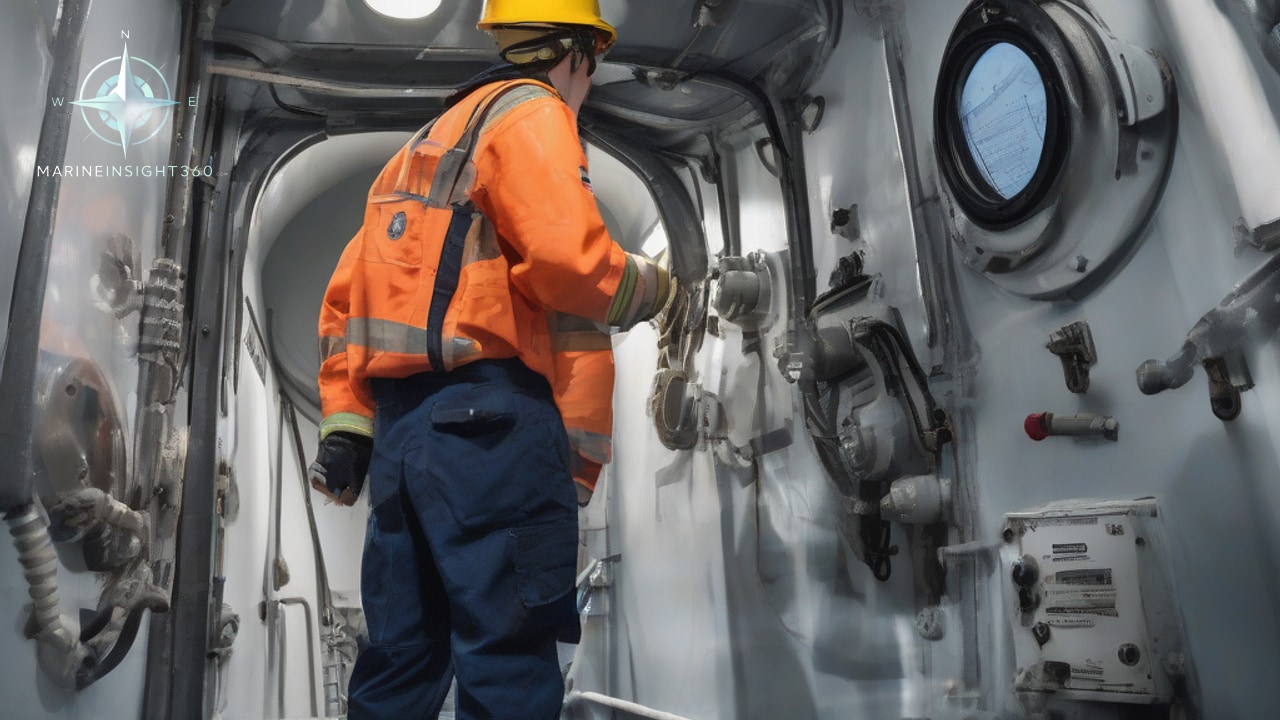
An engine cadet is the entry-level engineering rank on a ship, and the berth where a future engineering officer learns the machinery by working on it. Cadets work under the ship's engineering officers and the chief engineer, handling maintenance, operation and monitoring in the engine room. The training is logged in a Training Record Book, which is the basis on which the maritime administration issues a Certificate of Competency.
What is an engine cadet?
An Engine Cadet Program is the structured training that turns a marine engineering student into a ship's engineer officer. Most cadets come through a maritime academy or university, or a company-sponsored cadetship, and split their training between college and a period of approved sea service on a merchant ship.
The college part covers the theory: thermodynamics, fluid mechanics, combustion, marine diesel and steam plant, electrical engineering, ship construction and safety. At sea, the cadet applies it on working machinery, under the eye of the ship's engineers.
Many programmes also include workshop training ashore, in fitting, welding, machining on lathes and milling machines, and electrical work, because a ship's engineer has to make and repair parts with whatever is on board.
The programme combines an engineering education with something close to an apprenticeship. It is the standard route into a seagoing engineering career, and the same skills later open doors to shore jobs in ship management, surveying and power generation.
Life and Learning as an Engine Cadet
Shipping offers many different roles and career paths, and the engine cadet is where the engineering side starts. As the most junior member of the engine department, the cadet's main job is to learn and get practical experience of running a ship's engines and machinery. It is the first rung on the ladder to becoming a marine engineer officer.
Engine cadets work under experienced engineer officers and the chief engineer, learning their way around the engine room and the machinery and systems that drive and power the ship. The academy teaches the theory, but the practical skills and the realities of life at sea come from the people on board. The chief engineer often has a big influence on a cadet's career, guiding the training according to the onboard training programme and record book approved by the maritime administration.
Most of a cadet's early work is in the engine room. Cadets help with engine maintenance, machinery operation and monitoring: overhauling pumps and valves, changing filters, taking readings, opening up purifiers and helping with main engine and generator overhauls. The work is physically hard but interesting, and by following the engineers on watch and during maintenance, cadets learn the basics of ship engine room management.
Practical Experience of Engine Cadets
Cadets also learn the paperwork side: engine room logbooks, planned maintenance records, oil record book entries and the regulations behind them. They help with stores and spares, sorting the engine store and learning the tools and equipment of the engine room. Some of this feels like drudgery, but an engineer who knows where every spare is kept and how the planned maintenance system works is worth a great deal later.
Engine cadets must follow strict safety procedures, especially for risky jobs such as enclosed space entry, hot work, working aloft or over the side, and work in dry dock. A ship is an unforgiving place, and one careless moment can have serious consequences. Cadets who show initiative, ask questions and take on more responsibility as they gain confidence are the ones who move up fastest.
Certifications, training and sea time required for promotion
Qualifying as an engineer officer takes specialised training, usually at one of the maritime academies or an approved college. Engineering courses there are designed around the STCW Convention, so that graduates meet the international standard.
Some cadets come in by a different route, after a degree or diploma in marine engineering, mechanical engineering or marine engineering technology, followed by approved workshop training and sea time. Either way, the goal is the same: a certificate of competency as an engineer officer of the watch.
Once certificated, the cadet usually joins as fourth engineer or junior engineer, then works up through third and second engineer to chief engineer, sitting further certificate exams and building sea time at each step. Some companies promote a newly certificated officer straight to third engineer, depending on company policy and performance.
What physical and mental challenges do engine cadets face daily?
The job is hard on body and mind. Engine rooms are hot, noisy and cramped, and the first weeks can be tough for a newcomer. The constant noise, the heat from the machinery and the confined spaces wear people down, and over a long contract they add to stress and fatigue.
Long hours, call-outs at night and alarms can break up sleep, and lack of sleep on top of constant noise makes the stress worse. The work is also physically demanding, so cadets need to be fit and able to work in awkward positions.
Despite all that, the life has real rewards. Cadets join an international trade, learn skills particular to maritime careers and see the world. It is a demanding job for people who are committed to it.
Leadership and team management
An engine cadet's training is not only technical. It is also where future officers start learning to lead and manage people, which they will need as engineers in charge of a watch. Cadets start under close supervision and are given more responsibility as their training nears completion.
One of the cadet's own responsibilities is keeping the Training Record Book (TRB) up to date and signed off. The maritime administration uses it, along with sea service and exams, as the basis for issuing a Certificate of Competency (CoC), which shows the holder is ready to serve as an engineer officer.
Cadets also have to show they can work as part of a team. Ships and Offshore operations depend on the engine room, the bridge and the deck working together, and getting on with a small, mixed crew is a big part of the job.
The impact of technology and advancement on roles
Technology has changed what an engine cadet needs to learn. Modern ships have electronically controlled engines, automation and alarm systems, exhaust gas scrubbers, ballast water treatment plants and, increasingly, LNG or other alternative fuel systems. Cadet training now covers these as well as traditional machinery, and engineers have to keep learning as systems change.
Learning never really stops, even for a chief engineer, so humility is valued at sea. Good engine rooms encourage questions, however basic. The engineers who do well are the ones who admit what they don't know, find out, and keep improving.
Risks, responsibilities and emergencies specific to each position
Like any seagoing job, the engine cadet role carries risks. Cadets work in tight spaces around hot, noisy machinery, which is tiring, and long hours of heavy work can affect physical and mental health. The rewards are good career prospects and the satisfaction of keeping a ship running.
In an emergency, engine cadets usually carry out smaller tasks or act as messengers for the chief engineer. Their duties may include:
- Helping with emergency procedures.
- Assisting with equipment checks.
- Carrying important information between the engine room and the bridge.
Even then, their own safety comes first.
Life as an engine cadet means working alongside experienced engineers, fault-finding, carrying out maintenance and learning to run a complex plant built on marine engineering. Over the cadetship, cadets work with electrical systems, boilers and propulsion systems, and see the results of their work in a ship that runs smoothly and arrives on time.
Recommended Reading
Maritime Mechanic: A Comprehensive Guide to Being an Engine Cadet
An engine cadet is the trainee rank in the Maritime Mechanic career at sea, working day shifts in the engine room under the second engineer to maintain…
Why Predictive Maintenance Is Becoming the Future of Ship Management
Discover how predictive maintenance is helping shipowners reduce breakdowns, improve safety, lower maintenance costs, and increase vessel reliability.
Things To Consider When Installing Marine Engine Bedplates
Engine bedplates are the lower components of marine engines (two-stroke and four-stroke), supporting the engine compartment and are among the most…