
What is the 7 Alarm on a Ship?
Maritime emergencies at sea are not triggered by warnings. Still, distress signals and alerts from ships can help respond to crises and avoid emergencies efficiently and accurately.
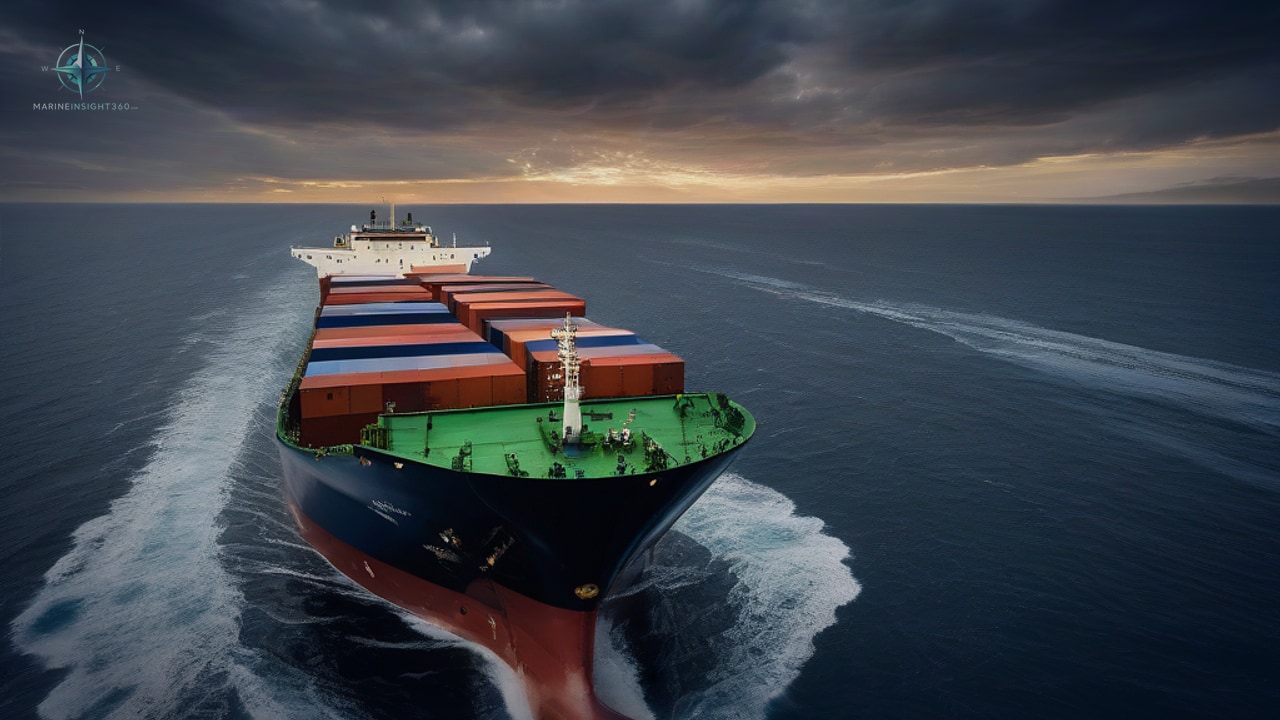
The general alarm on a ship is seven short blasts followed by one long blast, sounded on the ship's alarm bells or whistle from the navigation bridge. When it sounds, every crew member goes to their muster station and listens to the PA system for the nature of the emergency, which may be a fire, collision, grounding or abandon ship.
General alarms in ships are both audible and visual, so that a visual alert reaches people where a bell cannot be heard, and a bell reaches people who cannot see a light. All ocean-going vessels use the same basic signals, whatever area they trade in or company they belong to. Because the signals are the same from ship to ship, a seafarer joining a new vessel already knows what each alarm means and can respond quickly.
Types of Ship Alarms
These are the main alarms and signals fitted on ships to give audible and visual warnings:
General Alarms
The general emergency alarm is seven or more short blasts followed by one long blast, sounded on the alarm bells or on the ship's whistle. SOLAS Chapter III and the LSA Code set this signal. It is used to warn the crew of an emergency such as a fire, collision, grounding or a situation that may lead to abandoning the ship.
The general alarm is operated from the navigation bridge. As soon as it sounds, every crew member must go to their muster station and carry out the duties listed for them on the muster list. When the general alarm sounds, the crew should:
- Proceed to the designated muster station.
- Listen to the public address (PA) system for the nature of the emergency, which is usually announced by the officer of the watch, the chief officer or the master.
- Once the nature of the emergency is known, join their assigned team and act according to the ship's emergency plan.
Fire alarm on board
A crew member who discovers a fire should operate the nearest fire alarm call point, or shout "Fire, fire, fire" loudly, so that the alarm is raised on board. On most ships the fire signal is a continuous ring of the alarm bells or a continuous blast on the ship's whistle lasting at least 10 seconds. The exact signal is set out in each ship's muster list.
When the master decides to stand the crew down from their fire stations, many ships give three short rings on the alarm bells followed by three short blasts on the whistle. The crew's actions when the fire alarm sounds are:
- Go to the fire station.
- Find out where the fire is.
- Join the assigned team and carry out the tasks listed in the muster list.
Personnel overboard alarm
Crew and passengers fall overboard from cruise ships and cargo ships every year. When someone goes over the side, the ship raises the man overboard alarm.
On most ships the man overboard signal is three long rings on the alarm bells to alert the crew and three long blasts on the whistle to alert other ships nearby.
A man overboard marker with a self-activating light and smoke signal is fitted to a lifebuoy on each bridge wing. When it is released into the water it gives off smoke and light, so the ship's crew and nearby ships can see where the person went in.
Abandoning the ship's alarm
If the emergency gets out of control and the ship is no longer safe, the master may decide to abandon ship. The crew are first called to their muster stations with the general emergency alarm, seven or more short blasts and one long blast on the bells and whistle.
Once everyone has mustered, the order to abandon ship is given verbally by the master, or by the chief officer on the master's instruction, usually over the PA system. The alarm itself never means "abandon ship"; only the master's spoken order does.
Actions to be taken by the crew when the order to abandon ship is given:
- Put on life jackets or immersion suits and proceed to the assigned muster station or survival craft.
- Bring any additional items listed on the muster list (blankets, food, water, etc.).
- Take the shortest safe route from your accommodation to the muster station.
- Wait for the master's order before boarding the survival craft.
Nautical Alarms
Most navigation equipment on the bridge, including radar, gyro compass, ECDIS and the navigation lights, has fault alarms. When a fault occurs, an alarm sounds on the bridge and the details (the equipment affected and the type of fault) appear on the alarm panel or the equipment's display.
Actions to be taken by the crew when a navigational alarm sounds:
- Check which equipment the alarm affects.
- Identify the fault causing the alarm.
- Correct the fault or switch to backup equipment as necessary.
Engine Room Alarm
The engine room of a ship is equipped with a variety of machinery, the operation of which is continuously monitored by a control and monitoring system.
Machinery in the engine room has safety devices and alarms to keep it running safely. If a machine malfunctions, the engine room alarm sounds and the fault is shown on the alarm panel in the engine control room. On ships with unattended machinery spaces, the alarm is also relayed to the duty engineer's cabin and the bridge.
Actions to be taken by the crew when an engine room alarm sounds:
- Check which machinery or system the alarm affects.
- Identify the fault causing the alarm.
- Correct the fault or switch to the standby machine if necessary.
Engine Room CO2 Alarm
The engine room is protected by a fixed CO2 fire extinguishing system. Its audible and visual alarms sound different from the engine room alarms and other ship alarms, so they are easy to recognise.
Under the FSS Code, the audible alarm must be placed so that it can be heard throughout the protected space with all machinery running, and it must be distinguished from other audible signals by its sound pressure or tone pattern.
The pre-discharge alarm is activated automatically, for example when the door of the release cabinet is opened. It must sound for long enough to evacuate the space, and for at least 20 seconds, before the CO2 is released. Anyone in the engine room must leave at once when it sounds, and the crew muster for a head count.
CO2 Alarm in the Cargo Hold
Cargo holds are also protected by a fixed CO2 fire extinguishing system. Ro-ro spaces, container holds and other cargo spaces where people normally work must have a pre-discharge alarm that sounds different from other ship alarms, through its sound pressure or tone pattern. Conventional cargo holds do not always need one, because CO2 is released into them only after they have been checked and closed.
Before CO2 is released into a cargo hold, the crew should:
- Count the crew.
- Make sure there is nobody in the cargo hold and that it is sealed.
- Ensure all cargo hold ventilation is stopped and the vents are closed.
Ship Safety Alert System
Under SOLAS regulation XI-2/6, ships on international voyages must be fitted with a Ship Security Alert System (SSAS). It is a silent alert system used when the ship is under attack by pirates or faces another security threat. When the SSAS is activated, no alarm sounds on board and no other ships in the vicinity are alerted.
Instead, the alert goes by satellite to the competent authority named by the flag state, which usually includes the ship's company, and identifies the ship and its position. The authority then informs the coastal states nearby.
Each alarm on board is linked to a muster list entry and set duties, so the whole crew can act quickly in an emergency. Every seafarer needs to know the alarms on their ship and what kind of emergency each one signals.
Frequently asked questions
What is the fire alarm signal on a ship?
The fire alarm is a continuous ring of the ship's alarm bell or a continuous blast on the whistle lasting at least 10 seconds. Crew go to their fire stations, find the location of the fire and carry out the duties on the muster list.
What is the abandon ship signal?
The abandon ship alarm uses the same pattern as the general alarm, seven short blasts and one long blast. The order to leave the ship is then given verbally by the master over the PA system once the crew have mustered.
What is the man overboard alarm on a ship?
The man overboard signal is three long rings on the ship's alarm bell, with three long blasts on the whistle to alert nearby ships. A lifebuoy fitted with a light and smoke signal is thrown in to mark the person in the water.
How many types of alarms are there on a ship?
A merchant ship typically has nine main alarm types: general alarm, fire alarm, man overboard, abandon ship, navigation equipment alarms, engine room alarms, engine room CO2 alarm, cargo hold CO2 alarm and the ship security alert system.
Does the ship security alert system sound an alarm on board?
No. The SSAS required by SOLAS regulation XI-2/6 sends a silent alert by satellite to shore authorities during a piracy or security threat, without any alarm on board and without alerting nearby ships.
Recommended Reading
Diwali at Sea: Far from Home, Together as One Crew
What Diwali looks like on a merchant ship: a crew of different faiths and nationalities celebrating together, thousands of miles from home.
Ramadan at Sea: Fasting, Prayer and Watchkeeping for Muslim Seafarers
A practical guide to Ramadan on board: fasting and watchkeeping, rest hours, suhoor and iftar timings across time zones, galley, prayer and Eid.
Ship Earthing Systems: Insulated Networks, Bonding and Earth-Fault Monitoring
Why ships use insulated electrical systems, how earth faults are found, high-voltage resistance earthing, bonding, tanker rules and shore power.