
What Is A Ship Superstructure?
A superstructure is any extension of a building or platform that rises significantly above the rest of the structure.
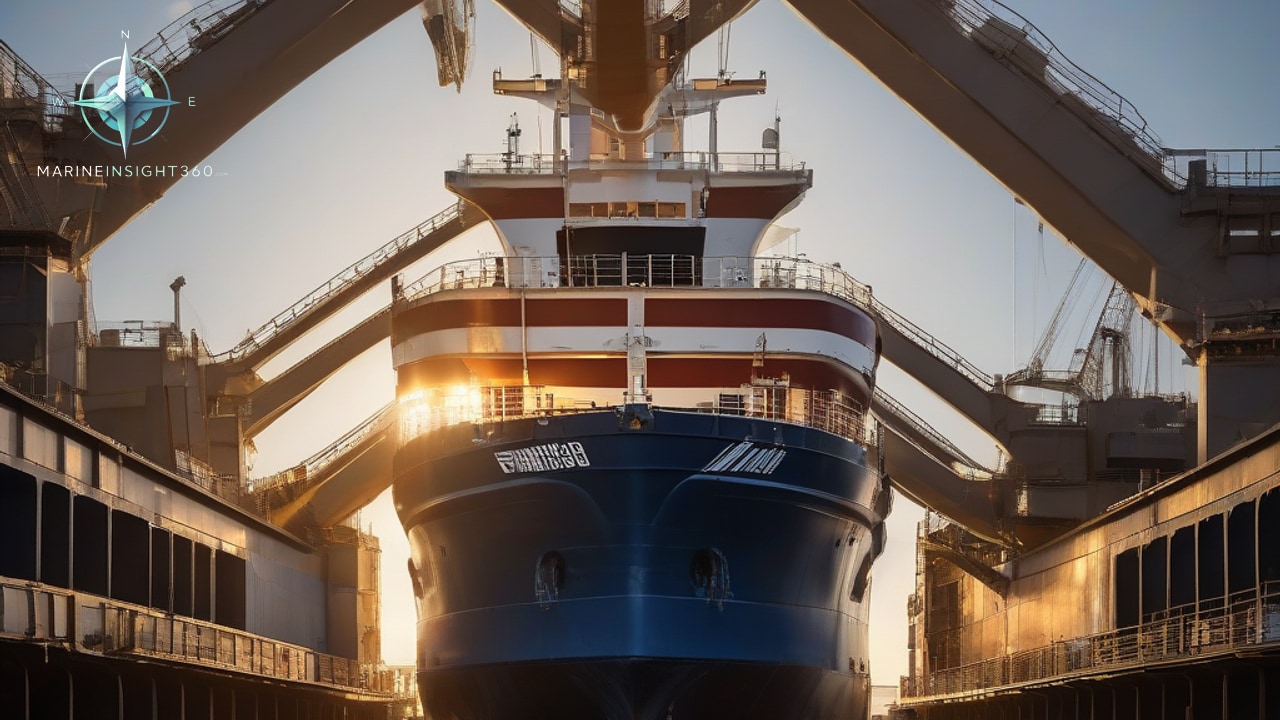
What Is A Ship Superstructure?
A superstructure is anything built on top of the main body of a structure. The word combines the Latin prefix "super," meaning above or over, with "structure," from the Latin for building or piling up. On a ship, the "superstructure" is the decked structure built above the hull's uppermost continuous deck: the accommodation block, the bridge, the forecastle and the poop. Masts, rigging and weapons mounted on deck are not counted as superstructure.
Its size has a real effect on how a ship behaves. A tall, long superstructure gives more space for crew, passengers and equipment, but it adds weight high up, raising the centre of gravity, and it presents a large area to the wind, which hurts handling in port and adds resistance at sea.
Because it is the most visible part of the ship, it is also where designers give a vessel its look, which is why superstructure styling has changed with fashion over the decades.
Ship Superstructure
Different ship types carry very different superstructures. On some, a compact block rises sharply from a flat deck. Aircraft carriers are the clearest example: the flight deck is kept clear as a runway, and everything above it is gathered into the island on one side. The island holds the navigating bridge, flight control for aircraft operations, and much of the ship's command and communications equipment.
On other ships the superstructure is wide and runs most of the ship's length. On a cruise ship, it rises from the hull in many decks of cabins, restaurants, theatres and open decks, and is often as wide as the hull itself.
Cruise and passenger ships use this layout because it gives the most room for cabins and public spaces on a given hull. Passengers need space for far more than sleeping, so tall, wide superstructures are how designers balance that demand against the hull's size and the requirements of stability and the rules.
An enclosed, watertight superstructure also adds reserve buoyancy, which improves a ship's stability at large angles of heel and helps keep water off the deck. That is the reason the rules give credit for it, as the next section explains.
The Load Line test that decides what counts as a superstructure
The word also has a legal definition. Under the International Convention on Load Lines, a superstructure is a decked structure on the freeboard deck that runs from side to side of the ship, or whose side plating is set in from the shell by no more than 4 per cent of the breadth.
Set the side plating in further than that and the same block becomes a deckhouse. The distinction is worth money. An enclosed superstructure with weathertight closing appliances earns a deduction from the required freeboard over its effective length, and a deckhouse does not. The flag state, or a class society acting for it, certifies the result on the International Load Line Certificate.
What sets the limit on how tall the accommodation block can be?
On many ships the limit comes from forward visibility rather than styling. SOLAS Chapter V Regulation 22 requires that the view of the sea surface from the conning position is not obscured by more than two ship lengths, or 500 metres, whichever is the less, ahead of the bow.
That one requirement drives the height of the bridge, how far aft the block sits, and how much cargo a container ship can stack forward of it. It applies under all conditions of draught, trim and deck cargo, which is why a ship trimmed by the stern can be limited in what it may load on the forward bays.
Where superstructures crack
The hull bends as the ship hogs and sags in a seaway, and a long deckhouse welded rigidly to the strength deck has to bend with it. The load concentrates at the ends of the block and at the corners of doors, windows and stairwell openings.
Those are the places where cracks are found. Long passenger‑ship superstructures are built with expansion joints for this reason, and openings are given radiused corners instead of square ones. Surveyors look in the same places: the ends of the house, the connection to the deck, and any corner that has been cut without a radius.
Recommended Reading
Diwali at Sea: Far from Home, Together as One Crew
What Diwali looks like on a merchant ship: a crew of different faiths and nationalities celebrating together, thousands of miles from home.
Ramadan at Sea: Fasting, Prayer and Watchkeeping for Muslim Seafarers
A practical guide to Ramadan on board: fasting and watchkeeping, rest hours, suhoor and iftar timings across time zones, galley, prayer and Eid.
Ship Earthing Systems: Insulated Networks, Bonding and Earth-Fault Monitoring
Why ships use insulated electrical systems, how earth faults are found, high-voltage resistance earthing, bonding, tanker rules and shore power.