
Duties of Chief Officer in Merchant Navy
Duties of Chief Officer in Merchant Navy: ports, trade and shipping-market context for US, UK, Canada, Australia, Singapore and European maritime readers.
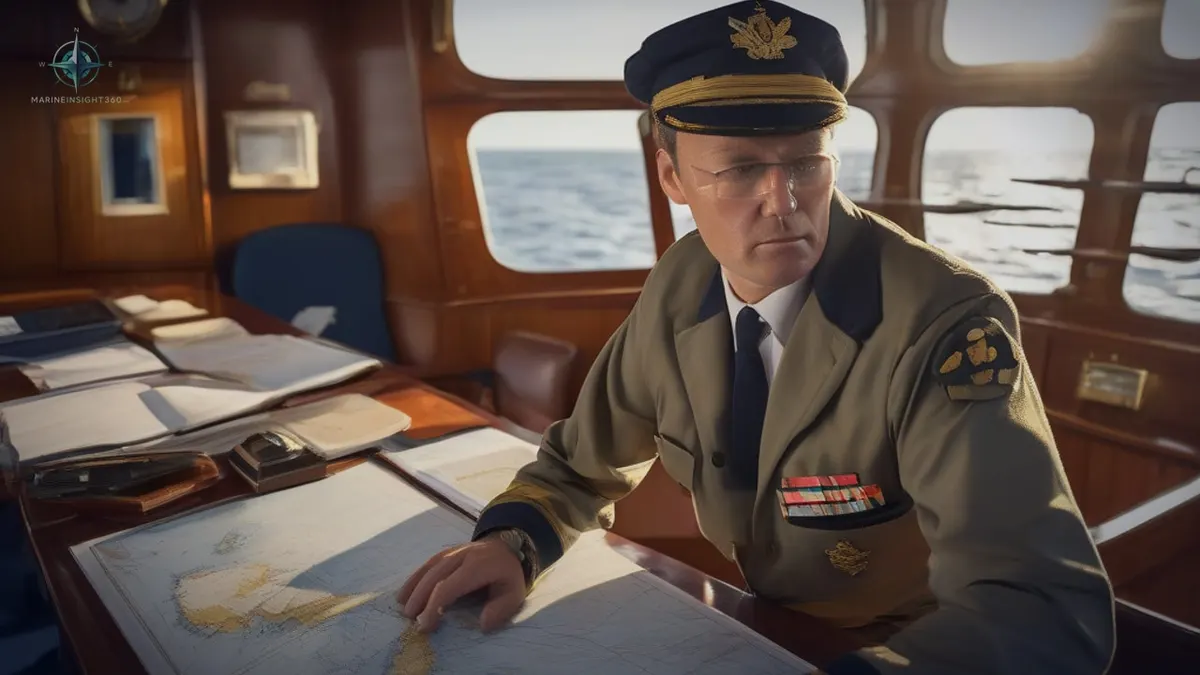
Duties of Chief Officer in the Merchant Navy
Do you know about the duties of chief officer? A massive cargo vessel navigates massive ocean swells while transporting thousands of tons of international goods. On the floating city of a ship stands the Chief Officer, who works under the Captain, to handle twelve main responsibilities that ensure vessel safety while maintaining efficiency and following course directions. As the First Mate of the Merchant Navy, the Chief Officer serves as its fundamental support structure, requiring leadership abilities, technical skills, and the ability to maintain composure under stressful conditions. The multifaceted responsibilities of a Chief Officer in the Merchant Navy require investigation to uncover what makes someone an unsung hero of the high seas.
Who Is the Chief Officer?
As the second-in-command of the Merchant Navy on ships, the Chief Officer receives orders from the Captain. As the lead of the deck department, the Chief Officer maintains control over ship navigation, cargo handling procedures, and crew safety and protection. Over time, the Chief Officer develops mastery in maritime skills and management, enabling him to perform his essential duties at sea effectively. Victory at sea as a Chief Officer becomes possible through the accomplishment of the demanding Chief Mate's Certificate of Competency that results from integrated maritime education and hands-on seafaring experience.
How do you become a chief officer?
Those who find this occupation appealing must enroll in maritime training. Deck cadets are the majority who use their nautical science or marine transportation degrees to launch their careers as chief officers. They advance from their initial sea time through passing competency tests toward their positions as Third Mate and then Second Mate, all the way to becoming Chief Mate. Dedication is required to become a Chief Officer, as it typically takes between 10 and 15 years of experience in the maritime industry. However, the career rewards include exceptional pay, international opportunities, and meaningful responsibilities.
What should you know about the Chief Officer?
When serving as a Chief Officer, one needs more than technical abilities, as it demands personal strengths that include endurance and compassion. Working many arduous hours under tough maritime conditions spans months of seafaring, during which they must bear full responsibility for the ship and the crew. Workers choose their jobs because they enjoy the travel experience, along with the human connections and the opportunity to witness new places around the globe.
Working as a Chief Officer means experiencing exciting port stops during the daytime and challenging ship operations throughout the night.
Their role as problem solvers demonstrates leadership skills in addition to their guardianship duties. They maintain a crucial status in global trade, although they receive little public attention. Every mobile phone, vehicle, and grain of cargo you purchase undergoes handling by a Chief Officer operating at sea.
Duties of Chief Officer in Navy
Being a Chief Officer demands grit and flexibility in addition to meeting all required qualifications. As part of their essential duties, someone in your role must make rapid choices that protect life while avoiding ruinous financial losses. This essential role has three essential responsibilities of chief officerthat define its purpose.
1. Navigation and Watchkeeping:
The primary task of a Chief Officer is to maintain control of the vessel throughout the day and night, regardless of the prevailing sea conditions. The individuals perform 4-hour navigation shifts, during which their job requires them to monitor the ship's position through GPS alongside radar and electronic charts. Using a prescribed navigation route is only one part of the process; officers must also actively predict possible hazards and avoid them.
The world outside appears as black as pure darkness, while only the radar screen shines its light at 3 a.m. The Chief Officer utilizes the radar system to detect potential dangers, verify the ship's current position, and communicate with other ships in the vicinity to prevent accidents. The Chief Officer confirms that the ship complies with the International Regulations for Preventing Collisions at Sea (COLREGs) and other international maritime standards. A single mistake during operations can have devastating consequences. This position requires unyielding attention and absolute accuracy.
2. Cargo Operations
During cargo ship operations, the actual cargo materials serve as the primary mission of transportation. The Chief Officer directs all aspects of cargo operations, which include tank-stacked containers, sloshing oil, and holds full of bulk grain. Ship stability depends on the Chief Officer's planning of cargo loading and unloading operations to secure proper stowage of all cargo items. Water instability due to poor vessel balance can lead to severe conditions, such as listing or capsizing.
The mission of a container ship serves as a prime example. By running sophisticated software computations, the Chief Officer determines optimal cargo placement, which uses low positions for heavy cargo items and establishes secure positions for hazardous materials. Through their supervision, the plan was executed by port authorities, stevedore teams, and ship officers, working under tight timeframes. When containers get loaded, the Chief Officer stays on the deck to survey both the maintenance condition and the proper handling of shipping operations. Every element of this critical task must come together precisely to defend the ship, its crew members, and a vast amount of cargo worth millions.
Compliance is also key. The Chief Officer ensures compliance with international standards during cargo operations by implementing codes, including the International Maritime Dangerous Goods (IMDG) Code and MARPOL pollution prevention regulations. One unintentional mistake by a captain can result in penalties, equipment delays, and environmental destruction.
3. Safety First
A safe operation is an absolute necessity for maritime operations, and the chief officer functions as the superior safety officer. To ensure crew preparedness, the Chief Officer directs safety practice sessions and leads team drills that include fire prevention and abandon-ship preparation. The Chief Officer ensures the proper functionality of all essential life-saving equipment by inspecting lifeboats, life jackets, and pyrotechnics. The Chief Officer performs inspections for firefighting equipment, including extinguishers and hoses.
Equipment maintenance represents only one part of this work. The Chief Officer implements safety programs to train personnel about threat identification while maintaining adherence to operational procedures. The Chief Officer assesses potential risks before workers perform confined space entry tasks or work at heights on ships. When emergencies strike, they take over from the Captain to direct the framework for firefighting, medical, and flood emergencies.
Currently, the Chief Officer directs a team through engine room firefighting during stormy weather conditions on board the ship.
4. Crew Management
A vessel achieves excellence through its crew members, yet the chief officer fulfills the role of deck leader. The Chief Officer oversees the able seamen, bosuns, and cadets of the deck department by assigning their tasks, including maintenance, cargo handling, and mooring operations. Chief Officers supervise crew operations by developing skilled staff members who stay focused on collective efforts despite long work shifts lasting 12 hours.
Serving as a leader at sea requires acquiring respect rather than issuing orders. While addressing crew concerns, the Chief Officer mediates conflicts and serves as a mentor to sailors, including cadets who aspire to become officers. The shipping company representatives execute discipline through the active enforcement of both safety and operational standard compliance. Establishing a firm stance for maintaining order requires leaders to remain accessible in order to preserve crew morale, especially during lengthy voyages away from home shores.
5. Maintenance & Keeping the Ship Afloat
Boarding machines float on water while Chief Officers maintain excellence in ship structures from deck to hull. As part of their duties, the Chief Officer supervises tasks that include painting operations, rust elimination, and rigging and crane inspections. Rust damage weakens the ship's basic structure, while equipment malfunctions result in operational stops.
The chief officer schedules maintenance tasks through coordinated efforts with engineering personnel when handling extensive duties. The ship undergoes inspections by the Chief Officer for wear and tear, specifically following rough weather periods ahead of emergency state development. The Chief Officer regularly participates in manual tasks while demonstrating leadership, as they are seen working alongside staff members, such as painting walls or verifying anchor lines.
6. Documentation required for the chief officer
The Chief Officer often spends a substantial amount of time on paperwork, as ship operations generate numerous written tasks and reports. The deck logbook, along with other records, forms part of their responsibilities, which they maintain properly. The Chief Officer produces essential documents about cargo procedures, stability assessments, and safety evaluation results for both port inspection authorities and audit purposes.
The officer maintains regular contact with local port authorities as a fundamental and mandatory task. The Chief Officer ensures that necessary documents, containing information such as cargo manifests or crew lists, are prepared for customs and immigration staff. The lack of proper documentation, combined with any documentation errors, will delay ship entries, resulting in substantial monetary losses. The job requires both close attention to detail and expertise in stress-induced organizational systems.
7. How to respond in an emergency
Disaster situations necessitate the Chief Officer to operate as the Captain's principal backup in critical moments. During emergencies such as collisions, medical issues, and groundings, the Chief Officer coordinates responses before activating crew members and allocating necessary resources. The Chief Officer will lead the damage control group, manage evacuations, or serve as the radio link between the vessel and rescue services.
Strong mental stability is needed to fulfill this duty requirement. During a storm that causes flooding in the cargo hold, the Chief Officer maintains situational control by analyzing the damage while leading crew members to secure their area until they formulate an update for the Captain, before the vessel reaches dangerous rolls. Effective decisions stemming from composure may lead ship members to success instead of disaster.
Final Thoughts
A Chief Officer in the Merchant Navy maintains an unnoticed status while serving as an expert in navigation, cargo handling, safety management, and leading shipboard teams. The unpredictable nature of the sea never impedes their mission to keep vessels safely at sea and maintain worldwide trade operations for their crews and ships. Professional capability, combined with determination and a deep interest in maritime affairs, are the key requirements for taking on this position.
Recommended Reading
Duties of 3rd Officer in Merchant Navy
Duties of 3rd Officer in Merchant Navy: career, certification and hiring context for US, UK, Canada, Australia, Singapore and European maritime readers.
Average Merchant Navy Salary in US & UK
The Merchant Navy offers a thrilling career, blending high seas adventure with competitive salaries and global travel. Whether you’re eyeing a role as a…
Average Merchant Navy Salary in the UK & USA
A UK Merchant Navy salary is determined based on rank position, experience level, ship type, and employment status between private shipping companies and…