
Terrible Amoco Cadiz Oil Spill - Largest Loss of Marine Life-ever
The Amoco Cadiz oil spill is considered one of the worst marine disasters in human history.
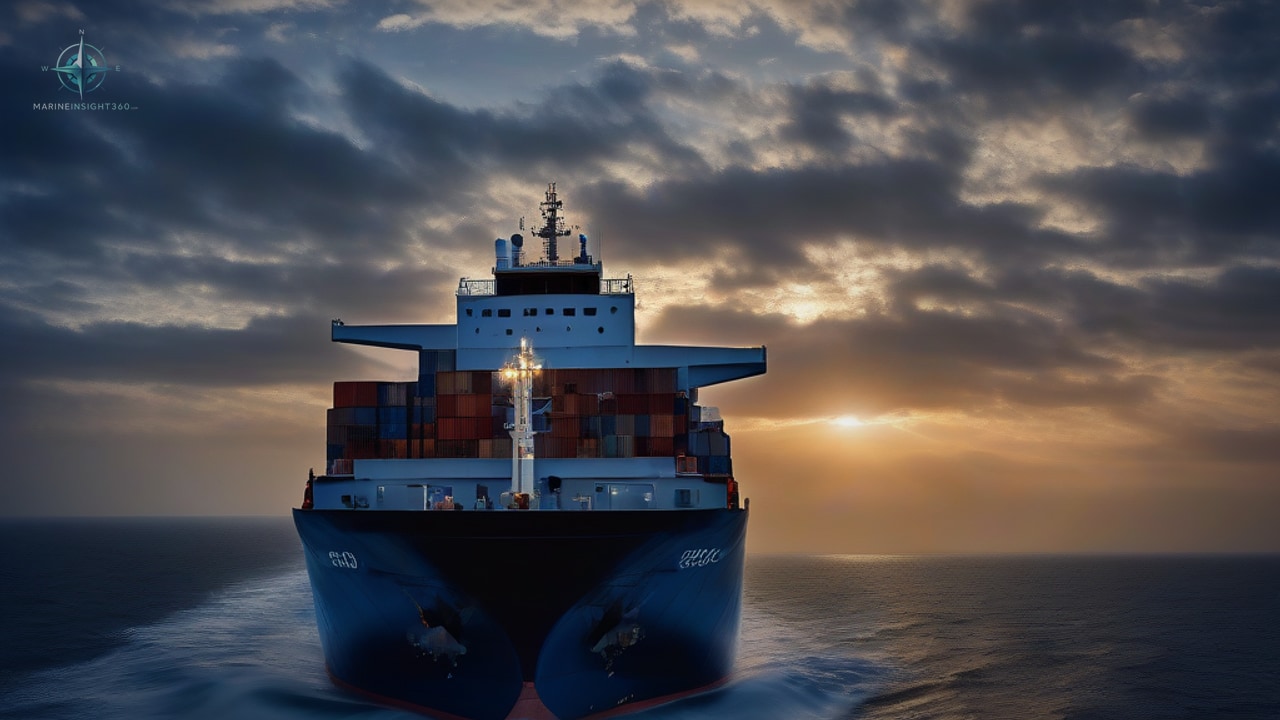
The Amoco Cadiz oil spill is one of the worst tanker disasters in history. The ship ran aground off Brittany and spilled her entire cargo of about 220,000 tonnes of crude oil, which fouled more than 300 kilometres of the French coast and killed marine life on a scale never recorded before.
This is how the accident happened and what followed.
The Amoco Cadiz was a Liberian-flagged very large crude carrier owned by Amoco Transport, a subsidiary of the US oil company Amoco.
She was built in Spain and delivered in 1974. She was 334 metres long and 51 metres wide, with a depth of 19.8 metres, a service speed of about 15 knots and accommodation for 44 crew.
She was only four years old when she was lost.
Amoco Cadiz Ran Aground
On the morning of 16 March 1978, the tanker was on her way from the Persian Gulf to Rotterdam with about 220,880 tonnes of crude oil belonging to Shell. She was in heavy weather off the island of Ushant, at the western end of the English Channel, with strong winds and a big sea running.
At about 09:45 the steering gear failed when part of its hydraulic system broke, and the rudder was left jammed hard over. The ship could not steer.
The crew stopped the engines and tried to repair the steering gear while the master called for a tug. The German salvage tug Pacific arrived, but time was lost agreeing terms, towlines parted in the heavy weather, and the tanker kept drifting towards the coast.
That night, shortly after 21:00, she ran aground on the Portsall Rocks off the coast of Brittany, France.
The hull was badly holed, and the ship broke in two in the days that followed. By the end of March she was in three pieces. Continuing bad weather and the wreck's position on the rocks made salvage almost impossible, and none of the cargo could be pumped out before it was lost.
The French Navy later used explosives on the remains of the wreck to release and disperse what oil was left.
After the accident
In France, the government blamed the shipowner and the delays in the towing for the oil spill, and pressed for loaded tankers to be kept further away from the Breton coast.
National Marine Week 2024 The investigations found that the steering gear had a weak design, with no back-up if the hydraulic system failed, and that it had not been properly maintained.
Marine life suffered the greatest loss.
No one on board was hurt, and the crew was rescued, but huge numbers of fish, seabirds, shellfish and other marine life died as the whole of the oil tanker's cargo leaked into the sea. By April, oil had reached the Channel Islands, and beaches, salt marshes, harbours and rocky shores along the Breton coast were coated.
Researchers described it at the time as the largest loss of marine life ever recorded after an oil spill. Millions of sea urchins, molluscs, fish and crabs were killed.
About 20,000 dead seabirds were found, most of them diving birds, and oyster farming was badly hit, with about 9,000 tonnes of oysters destroyed because of contamination. Other fisheries, seaweed harvesting and tourism also suffered.
Many clean-up methods were used, including spreading chalk to sink the oil to the seabed, high-pressure washing, and removing oiled sediment from marshes and rocky beaches. The rocky shores recovered within a few years, but the marshes took decades, and some effects remain.
According to the US National Oceanic and Atmospheric Administration, about 100,000 tonnes of oily water were collected, which yielded only about 20,000 tonnes of oil after processing in refineries.
Legal battle between France and Amoco
The French government, the Breton local authorities and fishermen sued Amoco and its parent company in a federal court in Chicago, in the United States, claiming damages for the pollution and the cost of the clean-up.
Amoco argued it was not liable, blaming the steering failure on the shipbuilder.
In 1984, the court found Amoco liable. It ruled that the company had failed to maintain and repair the ship properly and to keep her seaworthiness, including the steering gear.
After years of appeals, the final judgment in 1992 set the total at about $200 million including interest, far less than the French claimants had asked for.
What the Amoco Cadiz changed
Because of its size and the damage it did to the marine environment, the Amoco Cadiz is still counted among themost terrible oil spills. Layers of oil are still found beneath the sand on some beaches and in the marshes.
The ship was nearly new and operated by a major oil company, yet one failure in her steering gear, with no back-up, led to the loss of the whole cargo. The disaster helped push international rules towards duplicated steering systems on large tankers and fed into wider debate about tankers under flags of convenience.
It also led France to create the "Plan Polmar" in 1978, a national framework for responding to marine pollution, and brought calls from environmental groups for stronger plans to deal with future oil spills.
Recommended Reading
Largest Ship Ever Built
Find out why Seawise Giant (Knock Nevis) remains the biggest ship ever built, its dimensions, history and how it compares with modern giants.
Largest Ship Ever Built
Find out which vessel holds the record for length, dead‑weight and gross tonnage, why definitions differ, and what it means for seafarers and operators.
Largest Ships in Maritime History
Find out which vessel holds the record for length, gross tonnage and displacement. Includes specs for Seawise Giant, Pioneering Spirit and Shell Prelude.