
What is the Equasis Shipping Database?
Equasis is an online database that aims to facilitate the exchange of information in the shipping industry.
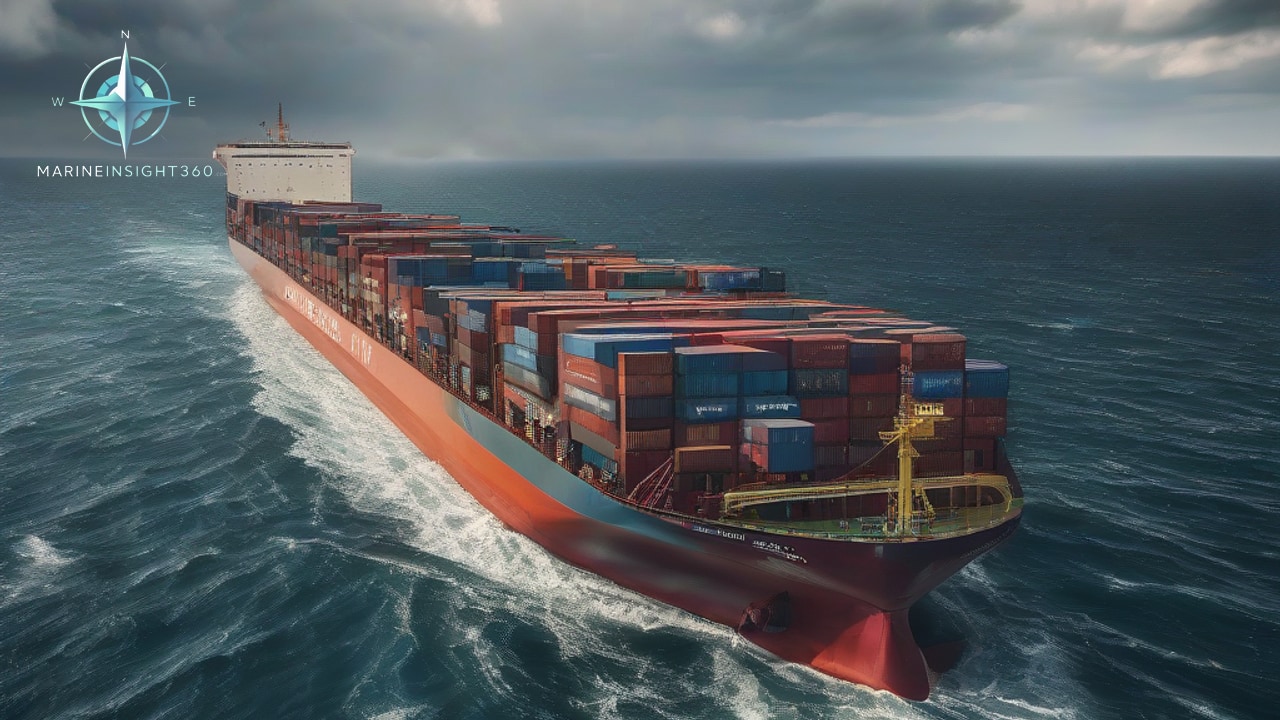
What is the Equasis Shipping Database?
Equasisis a free online database of ship safety information. It pulls together records on ships, their managers and shipping companies from public and private sources, so anyone checking a vessel can see in one place what used to be scattered across class registers, port state control websites and P&I club lists.
Brief overview of Equasis
Equasis was set up by the European Commission and the French maritime administration. The idea came out of the Quality Shipping Campaign launched in November 1997 and the Lisbon Quality Shipping Conference of June 1998, and the website went live on 17 May 2000.
It is non-commercial. Anyone can register and search it at no cost, and the data covers safety and quality information on the world merchant fleet. Equasis does not rate ships. It publishes the records and leaves users to judge the ship and its operator for themselves, which is why owners, charterers, insurers and crew all use it.
The database covers merchant ships of 100 GT and above. EMSA's 2022 fleet statistics counted 25,935 fishing vessels as 20.4% of the ships in Equasis, which puts the total at well over 120,000.
The data comes from many contributors. They include the International Maritime Organization (IMO), the regional port state control regimes and the US Coast Guard, classification societies, Protection and Indemnity (P&I) clubs, industry associations and commercial data providers. The Equasis Management Unit sits within the European Maritime Safety Agency (EMSA), while the website itself is developed and hosted by the French ministry responsible for the sea.
Main objectives of Equasis
Equasis was built as a systemto:
- Reduce substandard shipping by making shipsafety information public.
- Be non-commercial and open to anyone in the world.
- Cover the whole world fleet, not one region.
- Get maritime authorities to share their records with each other.
- Put quality and safety information on the merchant fleet on a single platform.
- Give accurate data on shipparticulars and management.
- Show who owns and manages each ship, including the shipping companies behind them.
A supervisory committee of maritimeadministrations runs Equasis. France and the European Commission are the founding members, and the United Kingdom, Japan, the United States, Norway, Canada, the Republic of Korea and Spain have joined since. The IMO sits as an observer.
What does an Equasis record actually contain?
A search runs on IMO number, ship name or company name. The ship page opens with identity and particulars, then the history: former names, former flags and former classification societies, each with the dates they changed.
Below that sit the parties. Registered owner, ISM manager and commercial manager are listed separately, alongside the protection and indemnity club, because on a great many ships those are three or four different companies in as many countries.
The last block is inspections. Port state control results from the contributing regimes appear with the date, the port, the number of deficiencies and whether the ship was detained. That is the part most readers come for, and it is also the part with the longest lag, because the record only moves when somebody inspects the ship.
Reading a ship before you sign for it
The IMO number is why the database works at all. It is assigned to the hull for life and survives renaming, sale and reflagging, so a history that looks short under the current name reassembles as soon as the number is used instead.
Patterns tell more than single entries. A run of flag changes, a change of classification society shortly after a detention, or a registered owner that is a single ship company with no other tonnage are all visible here. None of them is illegal, and all of them describe who a seafarer or a charterer would be dealing with if something went wrong.
There are limits. Equasis holds no positions, no cargo or charter information and no wage or crewing records, and it names the registered owner rather than whoever ultimately controls that company. A clean page means nothing has been recorded, which is not the same as nothing having happened.
Recommended Reading
Shipping Freight Rates Explained: Container, Dry Bulk and Tanker Markets
What moves container, dry bulk and tanker freight rates, how to read the Drewry WCI, SCFI, Baltic Dry Index and Worldscale, and what drove the shipping market in 2026.
Shipping Decarbonisation Rules: IMO Targets, CII, EEXI, EU ETS and FuelEU Explained
The IMO's net-zero targets, EEXI and CII ratings, the delayed Net-Zero Framework, EU ETS and FuelEU Maritime: what each rule requires, when, and what it means on board.

Red Sea Shipping and the Houthi Attacks: Timeline, Risks and Routes
Houthi attacks since November 2023 halved oil flows through Bab el-Mandeb. The full timeline to 2026, the Saudi blockade, insurance and what it means for ships and crews.