
Top 10 Best Mining Ships in the World
Deep-sea mining is the extraction of precious minerals from the seafloor using advanced, specialized vessels.
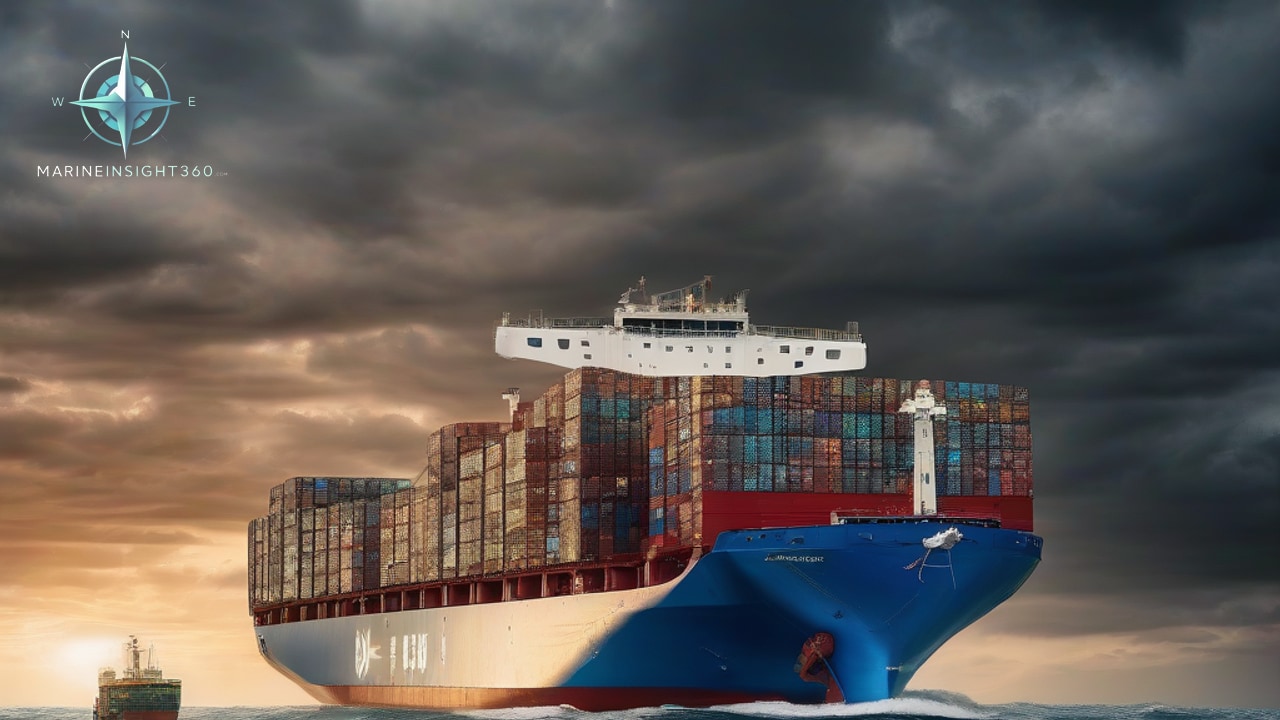
List of Top 10 Best Mining Ships in the World
Offshore mining means recovering valuable minerals from the seabed with purpose-built ships.Mining shipscarry specialised equipment such as seabed crawlers, remotely operated vehicles (ROVs), drilling rigs and onboard processing plants, and many of them also map and sample the seabed.
The best-established offshore mining is for diamonds in the shallow waters off Namibia and South Africa. Deep-sea mining for polymetallic nodules, which contain nickel, cobalt, copper and manganese used in batteries, is still at the test and permitting stage. Below are ten of the best-known mining ships in the world, listed roughly from the largest to the smallest, including one deep-ocean drilling ship that is often grouped with them.
1. Hidden Gem
The Swiss offshore contractor Allseas bought the drillship Victoria 10000 and converted it into the nodule collection vessel Hidden Gem. The ship is 228 metres long and 42 metres wide, with a gross tonnage of 60,331 and a deadweight of 61,042 tonnes.
Built in 2010, the drillship already had the derrick, moonpool and deck space needed to lift nodules from the seabed to the surface, which made it a good candidate for vesselconversion. It has accommodation for 200 people. The conversion work began in Norway and was completed in Rotterdam.
Hidden Gem works for The Metals Company (TMC). In 2022 it carried out a pilot test in the Clarion-Clipperton Zone of the Pacific, lifting about 3,000 tonnes of nodules. TMC has since applied to the US authorities for a commercial recovery permit, and Allseas is its recovery partner, but no commercial mining permit had been issued at the time of writing.
The vessel carries a seabed mineral collection system designed to pick up polymetallic nodules rich in manganese, cobalt, copper and nickel.
Those metals are used in electric vehicle batteries and other energy technologies, which is the main argument made for mining them.
Allseas designed and built the collector vehicle at its Dutch facilities. The 12-metre collector is deployed and recovered with a launch and recovery system and works on the seabed at depths of around 4,000 metres or more, connected to the ship by a riser pipe that carries the nodules up.
2. Nautilus New Era
China's Fujian Mawei Shipyard built this vessel, often described as the world's first purpose-built seafloor mining production support vessel, for the Dubai-based Marine Assets Corporation.
It was meant to be chartered by Nautilus Minerals, a Canadian deep-sea mining company.
Nautilus planned to use it as the production platform for its Solwara 1 project in the Bismarck Sea off Papua New Guinea, mining copper and gold-rich seafloor deposits at about 1,600 metres depth. The charter talks ended in October 2018, and the ship was sold to Ocean Energy Ventures, part of India's MDL Energy group, and renamed Amaya Explorer. Nautilus filed for creditor protection in February 2019 without ever starting production.
SeaTech Solutions designed the ship to work in harsh weather. It has dynamic positioning and a moonpool through which the riser and lifting system are deployed.
The vessel is 227 metres long and 40 metres wide, with a gross tonnage of about 50,000. It has accommodation for about 180 people and 31 MW of installed power.
Two main cranes and the mining equipment are installed on the lower deck.
The ship was fitted with high-capacity pumps, lifting and hoisting systems, ore storage and the cargo handling gear needed to transfer ore to other ships.
The Solwara 1 system also included seafloor cutting and collecting machines of about 250 tonnes each, designed to work at 1,500 metres depth in water temperatures around 2.5 degrees Celsius.
3. Mengxiang
Mengxiang is not a mining ship in the strict sense. It is a deep-ocean scientific drilling ship operated by the China Geological Survey, and one of the most capable drillships in the world's most demanding research work.
Built in Guangzhou, it was delivered and commissioned on 17 November 2024. Its long-term aim is to drill right through the oceanic crust, which is about 6,000 metres thick, and reach the Earth's mantle.
It is designed to drill to a maximum depth of 11,000 metres.
The ship completed its first trial voyage at the mouth of the Pearl River in December 2023 and finished sea trials in October 2024 before delivery.
This powerful ship is 179.8 metres long and 32.8 metres wide, with a gross tonnage of about 33,000. It can stay at sea for about four months without calling at a port.
It has room for several laboratories and their equipment, and it carries a riserless mud recovery system, China's first, which reduces the environmental impact of drilling and makes it more efficient.
The ship can work in two modes, for oil and gas exploration and for scientific research.
4. Gem of Benguela
The Benguela Gem was designed by Marin Teknikk of Norway and built by Damen Shipyards Mangalia in Romania for Debmarine Namibia, a 50:50 joint venture between De Beers and the Namibian government. It cost about N$7 billion and entered service in 2022 as one of the most advanced diamond recovery vessels in the world, with modern safety systems throughout.
Its dynamic positioning system adjusts to changing weather, which helps cut fuel use. A heat recovery system uses engine waste heat to produce fresh water on board.
The ship has a gym, a hospital and recreation facilities for the crew. It is 177 metres long and 27 metres wide, with a gross tonnage of 20,503.
It also has a helideck for crew changes.
The Benguela Gem uses a seabed crawler to recover diamond-bearing gravel from depths of about 90 to 150 metres. Once the gravel is on board, the processing plant separates out the diamonds.
The ship is expected to work for about 30 years and to raise Debmarine Namibia's production by around 500,000 carats a year.
5. MV Mafuta
Mafuta is one of the largest diamond mining ships in the world. It works for De Beers' marine operation in Namibia and flies the Namibian flag.
It works off the coast of southern Namibia, within a short helicopter flight of the Oranjemund mining base.
The ship was built in 1983. It is 169.5 metres long and 24.2 metres wide, with a draft of 8.9 metres and a speed of 12.5 knots. The gross tonnage is 15,851 and the summer deadweight 14,361 tonnes.
It was built as the heavy-lift ship Dock Express 20 for the offshore oil industry. De Beers bought it in 2005 and had it converted to a diamond mining ship by A&P Tyne in about a year. It then worked as Peace in Africa, and was renamed Mafuta in 2013.
Before De Beers bought it, the ship had already been converted once, to a cable layer. As Peace in Africa it mined diamonds off the coast of Namaqualand in South Africa before moving to Namibian waters.
The conversion gave it a large seabed crawler for mining and an onboard plant for recovering the diamonds.
The plant processes the gravel and water mixture pumped up by the crawler, and the ship has been one of the most productive in the Debmarine Namibia fleet. As Peace in Africa it featured in the Discovery Channel series "Mighty Ships".
6. MV Ya Toivo
The MV Ya Toivo was converted into a diamond mining vessel in 2000 for the Namibian Minerals Corporation (NAMCO), one of the diamond producers working off Namibia at the time.
The ship began life as HMS Challenger, a Royal Navy seabed operations vessel built in the early 1980s, and was one of the largest offshore mining vessels of its day.
The conversion turned the former naval ship into a mining platform, with a new superstructure and mining equipment designed by NAMCO's engineers.
Its job is to recover diamond-bearing gravel from the seabed. It uses a remotely operated subsea crawler, which an operator on board steers with a joystick while its suction arm works the seabed.
Powerful pumps lift the gravel and sediment to the ship, and water jets loosen the seabed ahead of the suction head.
The crawler can work around the clock for long periods without being recovered.
On board, the processing plant separates the diamonds from the gravel and crushed rock, although the final sorting is still done by people.
While the ship is mining, supply vessels and helicopters bring fuel, food and other stores, so it can stay on station for months without going into port.
7. Debmar Pacific
De Beers Marine Namibia operates this mining vessel, which sails under the Namibian flag. It is 137.01 metres long with a beam of 21.95 metres.
The Debmar Pacific was built in 1977 by Livingston Shipbuilding in Orange, Texas. It is classed with ABS and its home port is Lüderitz. It has carried several other names, including Glomar Pacific and Deep Sea Pacific.
The vessel has a gross tonnage of 9,048 and a deadweight of 6,667 tonnes.
8. MV !Gariep
The !Gariep is part of De Beers' diamond mining fleet off Namibia and flies the Namibian flag. It is 113 metres long, with a beam of 24.56 metres and a gross tonnage of 8,471.
In 2021 the vessel had a major refit by Babcock, with the engineering and design work done at Rosyth. Much of the ship's equipment was ageing, and the refit was meant to extend its working life.
The old engines were replaced with new Wärtsilä units, along with a new propulsion system and generators. De Beers had already chosen the equipment, so Babcock's job was to fit it into the existing hull and layout.
New HVAC, cabling and piping were installed as well, including more than a kilometre of pipe run through tight spaces.
After the refit, the !Gariep is safer, more efficient and produces lower emissions during operations.
9. MV SS Nujoma
The SS Nujoma is a diamond exploration and sampling vessel, 113 metres long and 22 metres wide, working off the coast of Namibia. It was built by Kleven Verft in Norway.
The vessel cost about US$157 million, has accommodation for 80 people and a gross tonnage of 7,971.
MV SS Nujoma
Image credit: De Beers Group
It is named after Dr Sam Nujoma, Namibia's founding president. When it entered service it was described as the most advanced marine sampling vessel in the world, able to collect more samples and data, and work faster, than the vessels before it.
The vessel has a helideck. It was launched in 2016 and arrived in Cape Town to be fitted with its mission equipment, including launch and recovery systems, sampling tools and an onboard processing plant designed to keep energy use low.
10. Fugro Voyager
This geotechnical drilling ship carries out site surveys, seabed sampling, mineral resource assessments and other geotechnical work, mainly in the Asia-Pacific region.
It sails under the Bahamas flag. The ship is 82.9 metres long and 21.8 metres wide, with a gross tonnage of 4,644.
Fugro Voyager
Image source: Fugro
The drilling derrick stands amidships over the moonpool, and an automated pipe handling system keeps the crew clear of the heaviest manual work. The vessel also carries seabed sampling and testing equipment that can work in water depths of up to 3,000 metres.
It has accommodation for 60 people and an onboard soil laboratory run by technicians, as well as a gym, a meeting room and offices.
Recommended Reading
The 10 Best Waterproof Sailing Jackets
The best waterproof sailing jackets are the ones that are windproof as well as waterproof, breathable enough to wear for hours, sized and coloured to suit you, and fitted with at least two pockets.
Best Cable Laying Vessels in the World
Cable-laying vessels are specialized vessels that lay underwater cables on the seabed or ocean floor. These cables are used for communications, data…
Best CRM Software for Maritime Sector in 2025
In the shipping industry, there are various CRM options to choose from in 2025, but you need to pay attention to the software specifications, features, and types.