
Marine Insight 360
Maritime News, Careers and Knowledge Desk
Marine Insight 360 is an independent maritime news, careers and knowledge platform built for seafarers, marine engineers, cadets, ship operators and maritime businesses. The editorial desk publishes practical reporting and explainers on ship operations, marine engineering, safety, regulations, ports, crewing, maritime jobs and shipping technology, with each article edited for clarity, source discipline and real-world usefulness.
Our work focuses on the questions maritime readers actually need answered: how systems work on board, what regulations mean in practice, how careers progress, which risks affect trade routes and where operators can find reliable context. Marine Insight 360 maintains a global editorial view for readers in the United States, United Kingdom, Europe, Canada, Australia, Singapore and major shipping markets worldwide.
Articles by Marine Insight 360(499)
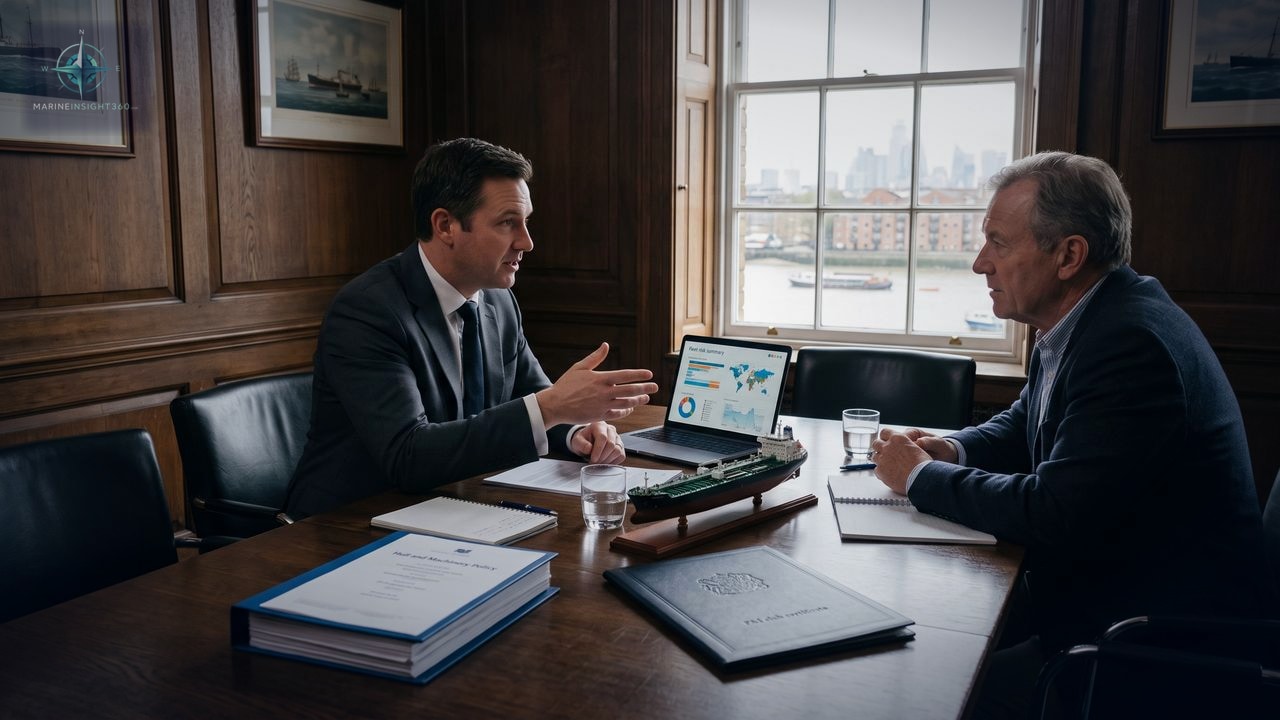
Duties of a Maritime Insurance Broker
Maritime trade involves high-value assets, long voyages, and constant exposure to risk. From ships and cargo to crew and ports, a single incident can lead to massive financial loss.
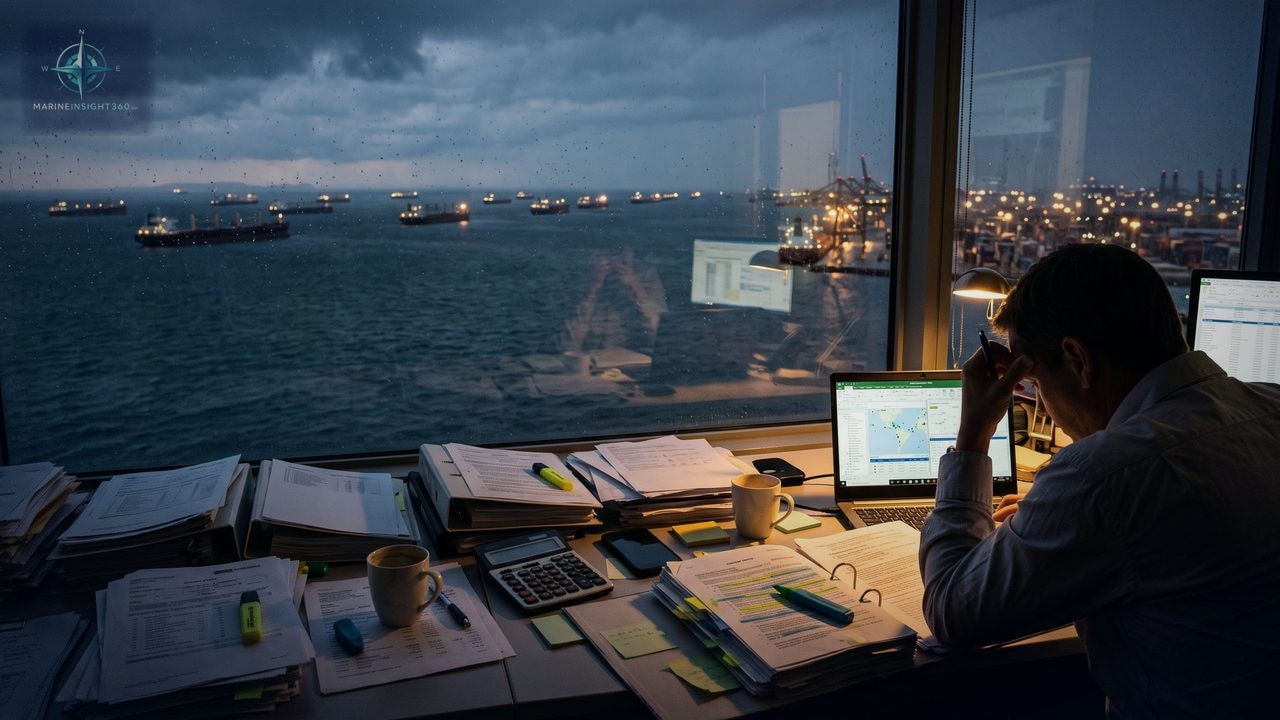
What Are the Main Risks in Charterparties?
The main risks in charterparties are financial, from unpaid hire, freight or demurrage, plus operational delay, disputed clauses, cargo damage, off-spec bunkers, regulatory breach, war and force majeure, and gaps in…
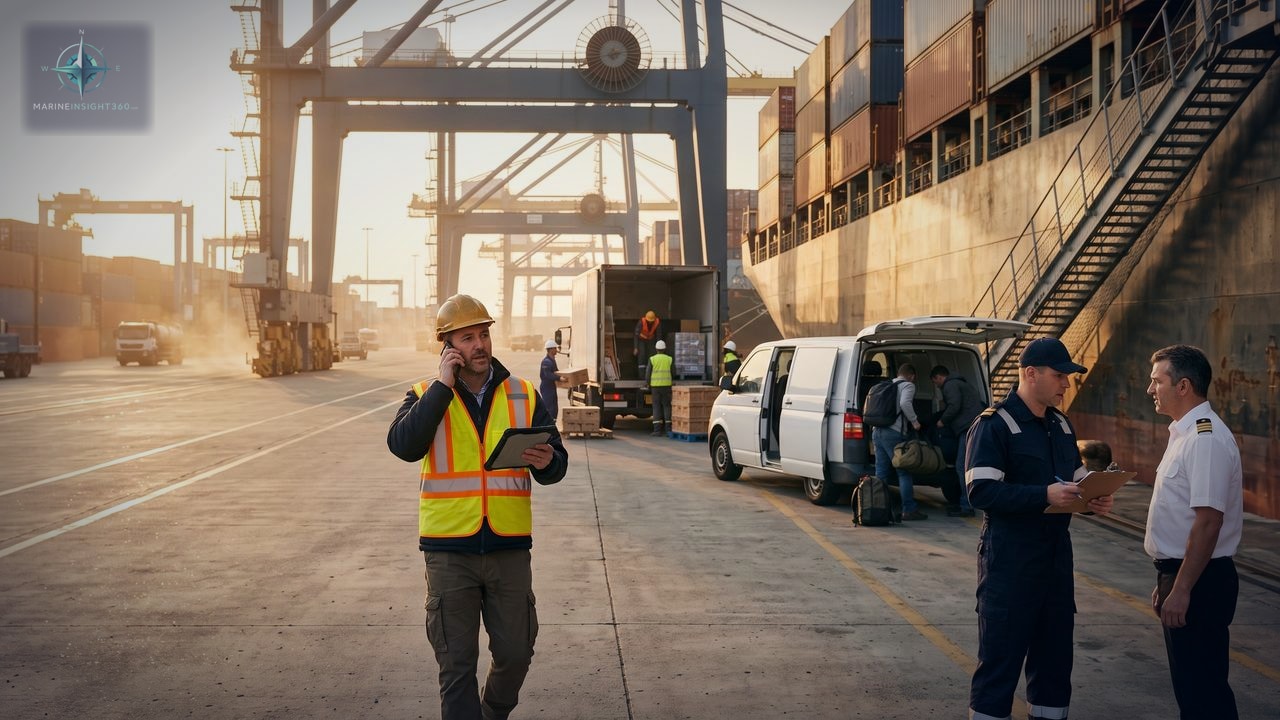
5 Important Responsibilities of Ship Agents
Ship agents play a vital role in ensuring smooth and efficient port operations.
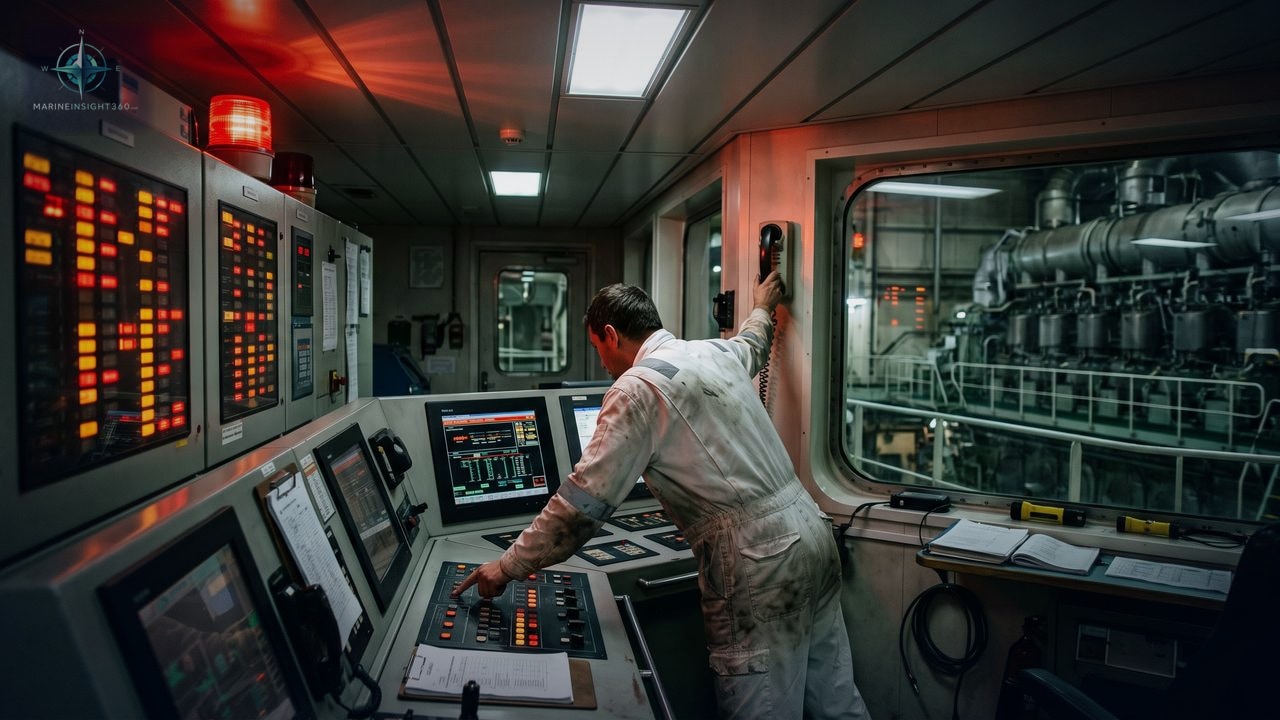
A Guide to Different Types of Alarms on Ships
The main types of alarms on ships are the general alarm, fire alarm, engine room alarm, bridge watch alarm, steering gear alarm, bilge alarm, gas detection alarm and emergency power alarm, each for a different hazard.
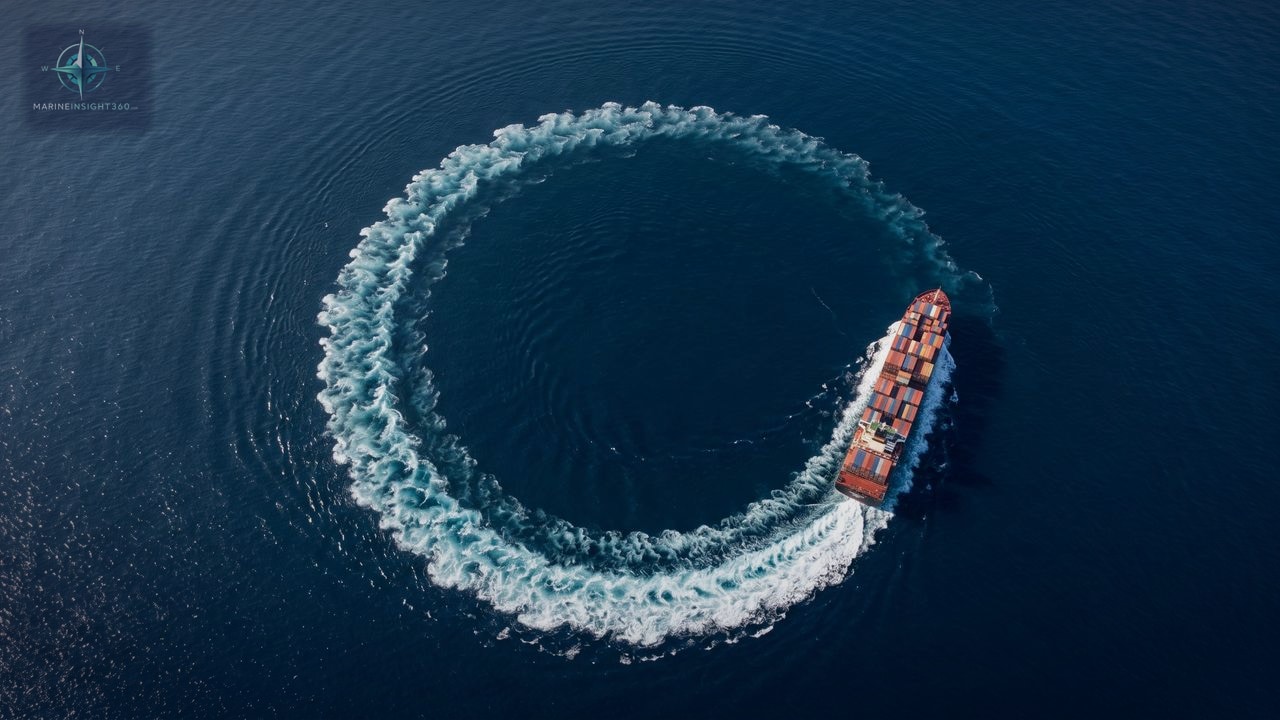
Understanding a Turning Circle in Ship
Turning Circle is a fundamental performance characteristic of any vessel. It refers to the vessel's ability to change course or direction, deviating from its intended route.
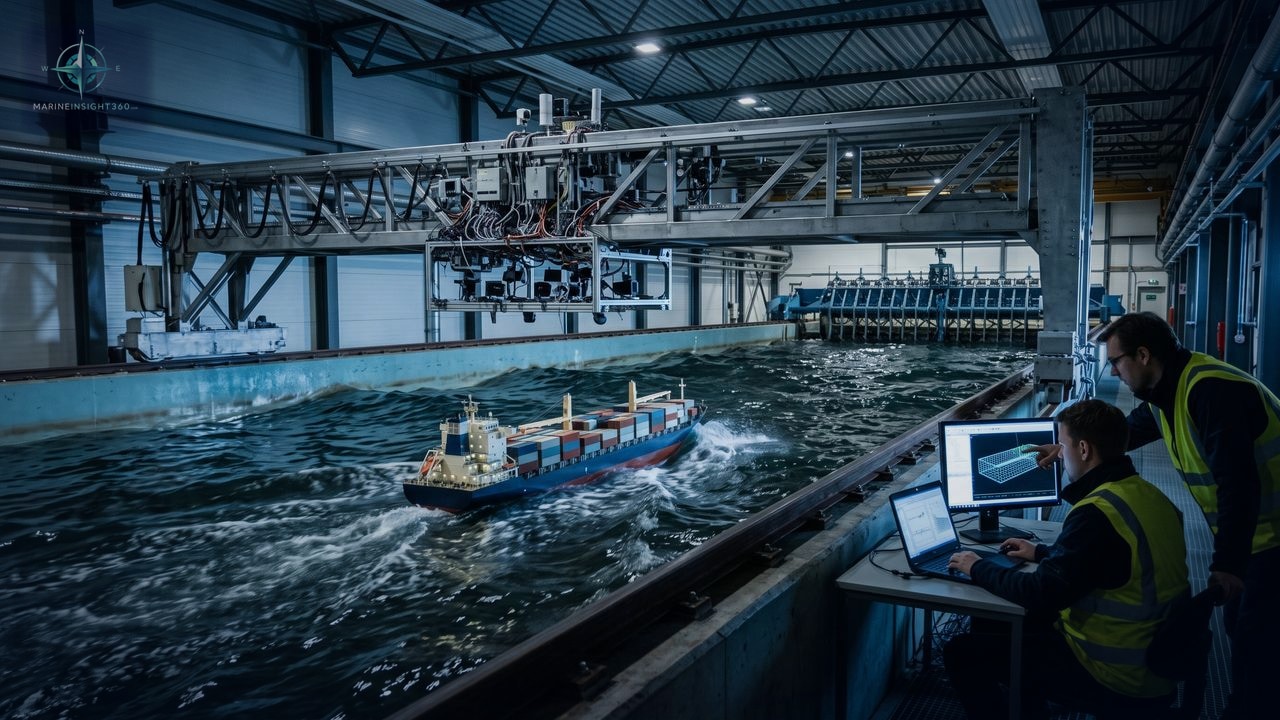
What Does Seakeeping Of Vessels Mean?
Seakeeping of vessels means a ship's ability to perform safely in real sea conditions, measuring how well the hull copes with waves, currents and severe weather rather than its strength or propulsion.
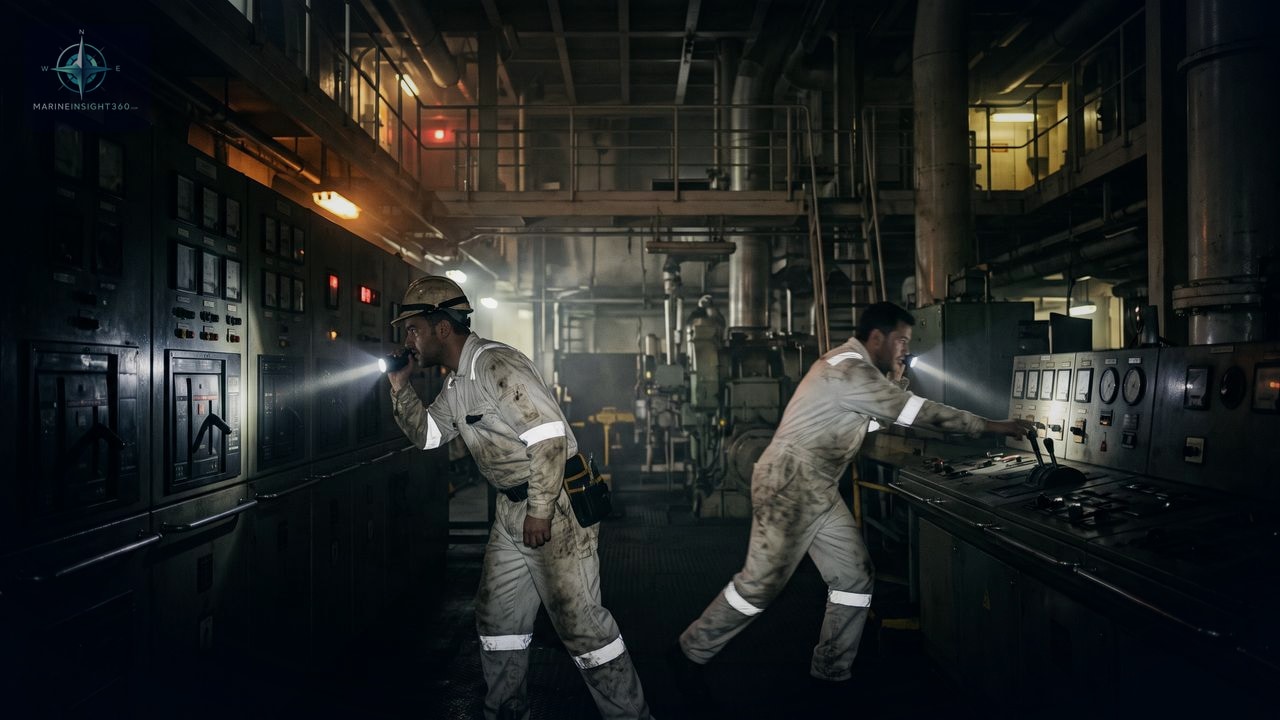
Blackout on Ship: What Initial Steps Should Be Taken?
For every sailor, a blackout is a familiar yet terrifying situation. It's a dreadful experience for all crew members, as it can cripple the entire ship.
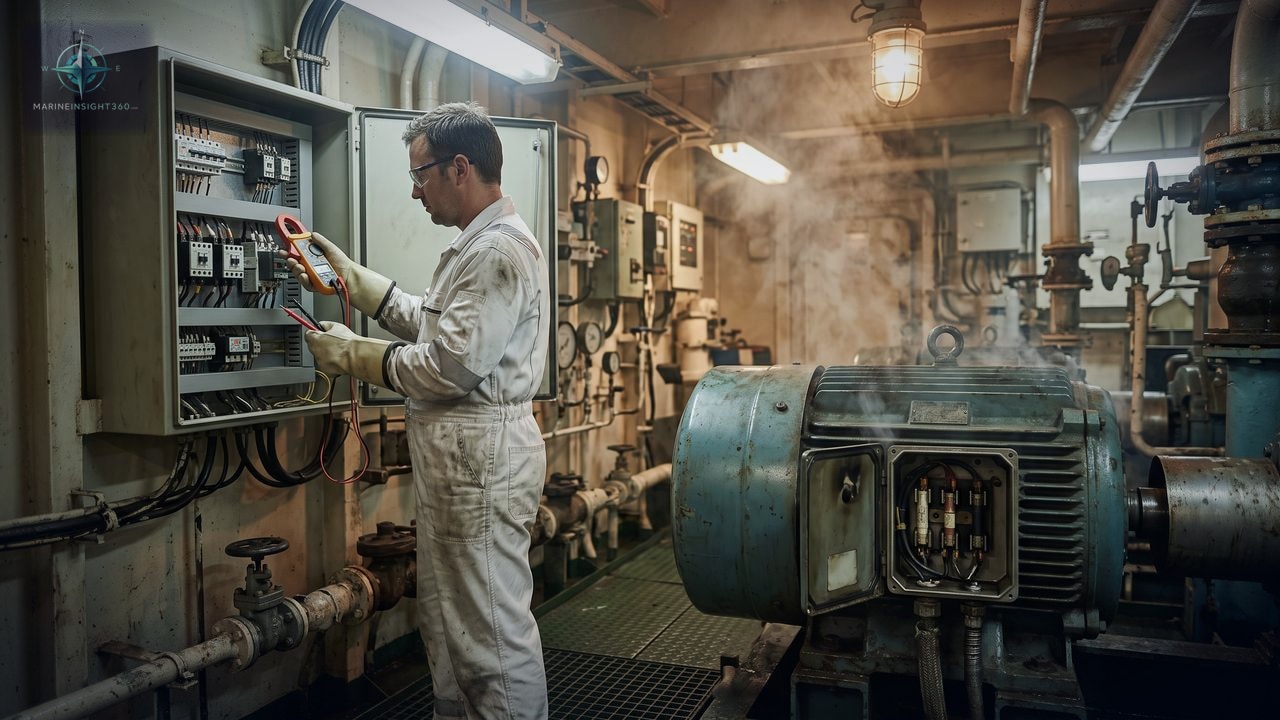
Single-Phase Operation of Electric Motors: Causes, Effects, and Protection Methods
Any three-phase induction motor must be connected to a three-phase AC power supply with rated voltage and load for regular operation.
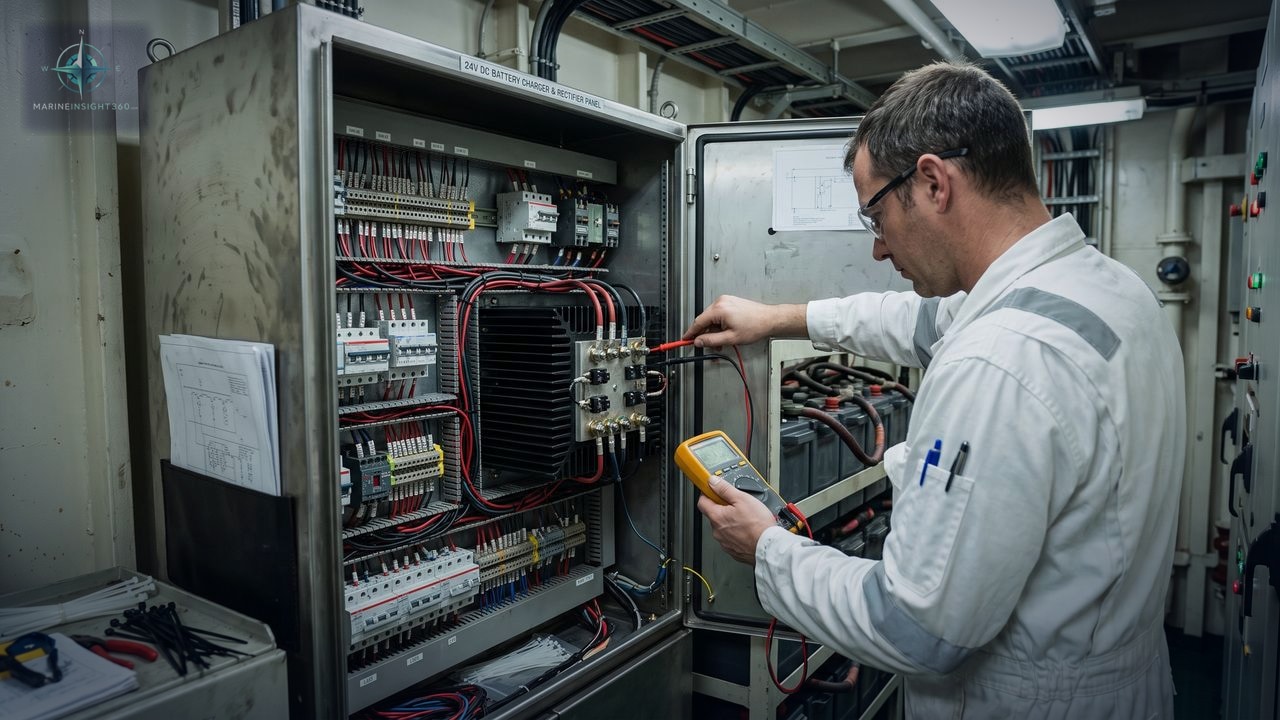
Understanding Rectifiers and Their Circuits on Ships
Rectifiers on ships are diode circuits that change the vessel's AC supply into the DC needed by battery chargers, control and automation panels, alarms, instrumentation and communication equipment.
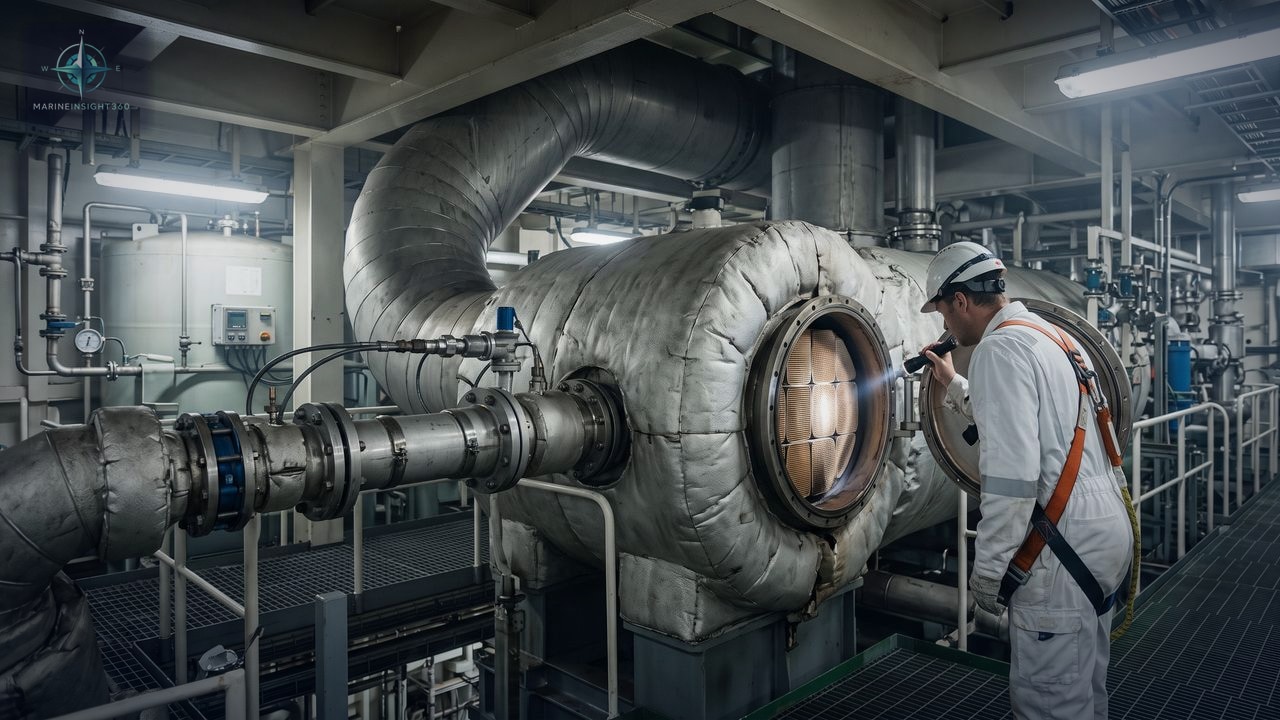
Selective Catalytic Reduction (SCR) Reactors for Ships – Types, Working Principles, Advantages, and Disadvantages
Nitrogen oxide pollution refers to the pollution caused by the release of nitrogen oxides into the atmosphere in gaseous form during the high-temperature…
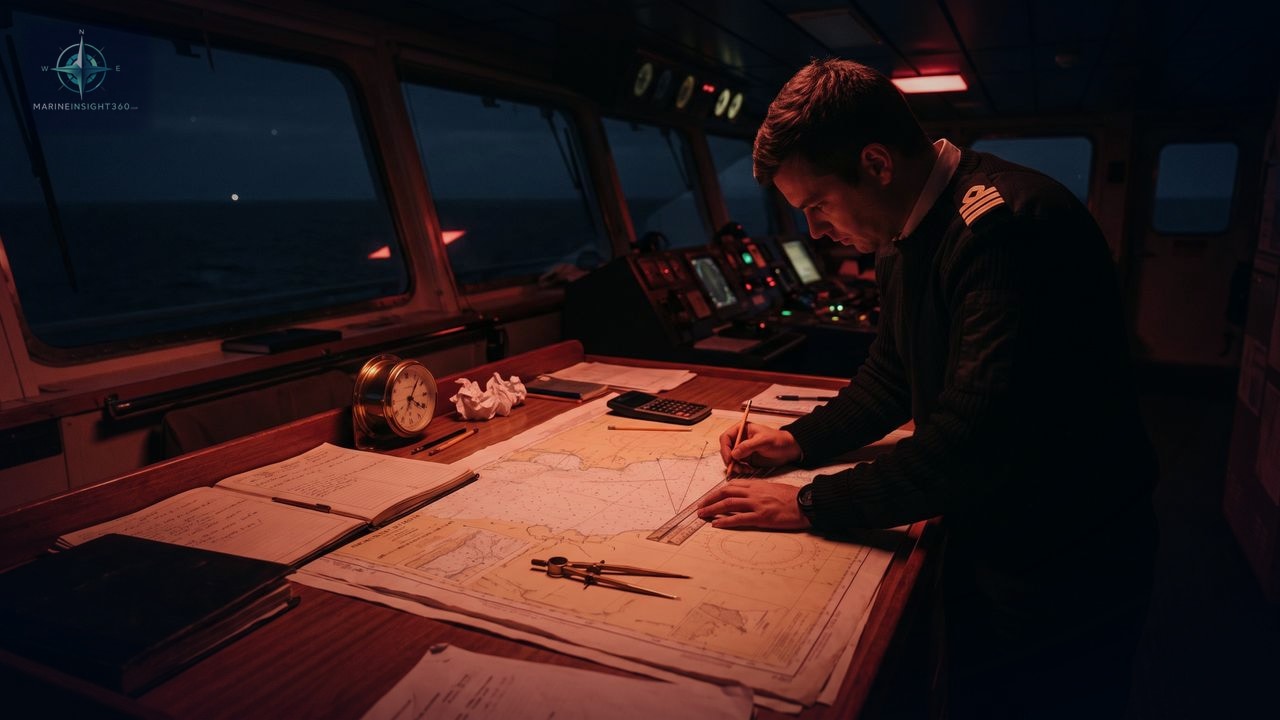
Dead Reckoning Navigation Technique (Maritime Position Calculation) At Sea
Before the advent of modern navigation aids such as the Global Positioning System ( GPS ) and Electronic Chart Display and Information System ( ECDIS ),…
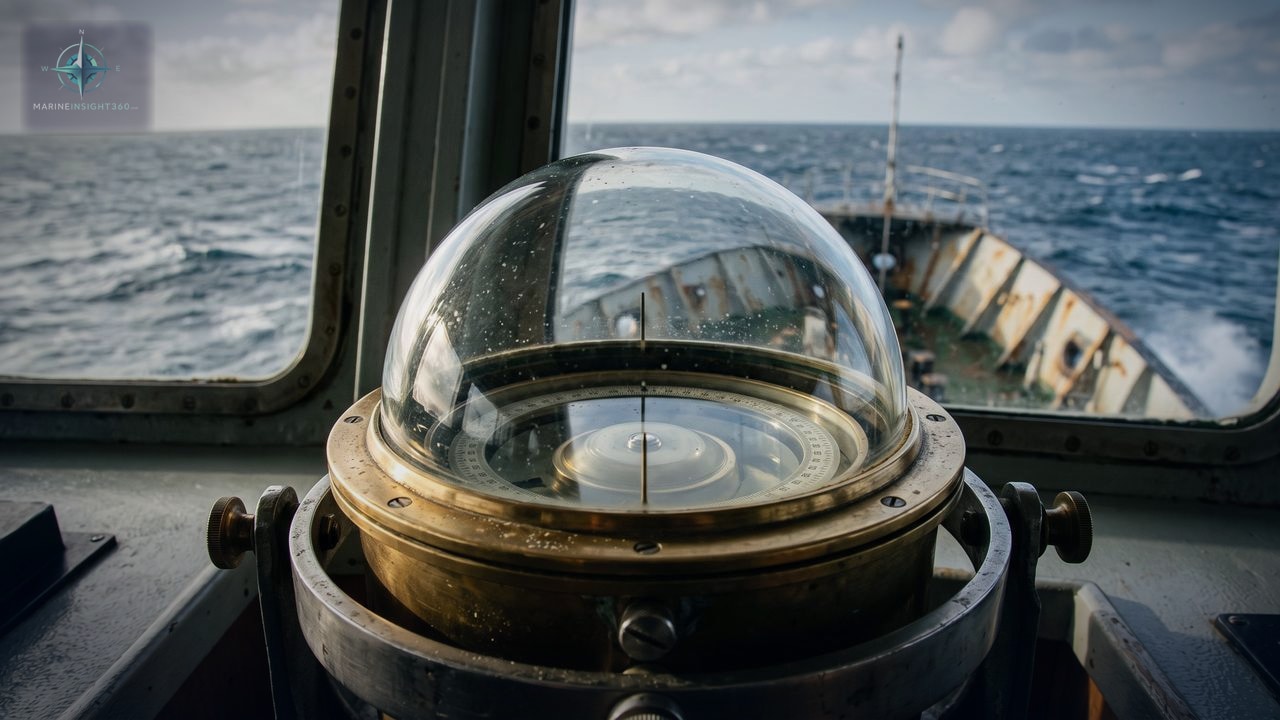
What are Lubber lines?
For centuries, the magnetic compass has been considered the primary navigation tool for ocean voyages. Today, advanced technologies have changed that picture.